
No products in the cart.
Return To ShopJaundice: Understanding and Managing with Ayurveda
Jaundice: Understanding and Managing with Ayurveda, characterized by yellowing of the skin and eyes, is a symptom rather than a disease itself. It arises from an accumulation of bilirubin in the bloodstream, which can be due to various factors, including liver diseases, hemolysis, and bile duct obstructions. Traditional medicine often provides a framework for understanding and treating conditions like jaundice, and Ayurveda is no exception. This ancient system of medicine offers a holistic approach to health that emphasizes balance in the body, mind, and spirit.
Understanding Jaundice in Ayurveda
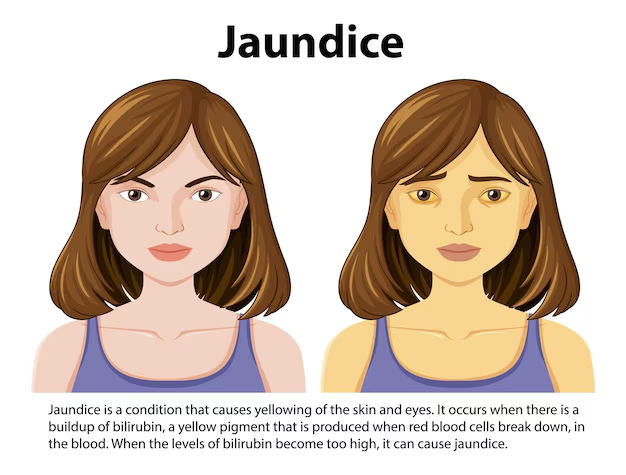
In Ayurveda, health is seen as a state of balance among the three doshas: Vata, Pitta, and Kapha. Jaundice is primarily associated with an imbalance in Pitta dosha, which governs metabolism and transformation in the body, including digestion and the liver’s function. When Pitta becomes aggravated, it can lead to the excessive production of bilirubin, resulting in jaundice.
Types of Jaundice
Ayurveda classifies jaundice into two main types based on its underlying causes:
- Sadhaka Jaundice: This type is related to liver dysfunction and is often associated with diseases such as hepatitis, cirrhosis, or liver tumors. Here, the liver’s ability to process and eliminate bilirubin is impaired.
- Srotorodha Jaundice: This type occurs due to blockages in the bile ducts or gallbladder, preventing bile from reaching the intestines. Conditions such as gallstones or tumors can lead to this form of jaundice.
Symptoms of Jaundice
In addition to the characteristic yellowing of the skin and eyes, individuals with jaundice may experience:
- Dark urine
- Pale stools
- Fatigue and weakness
- Itching
- Abdominal pain or discomfort, particularly in the upper right quadrant
- Nausea and loss of appetite
The Ayurvedic Perspective on Symptoms
From an Ayurvedic standpoint, symptoms reflect an imbalance in the doshas. For instance, yellowing of the skin (a sign of excess Pitta) indicates the need to pacify Pitta through diet, lifestyle, and herbal remedies. The accompanying symptoms can also provide insights into the underlying imbalance.
Ayurvedic Diagnosis
- Nadi Pariksha (Pulse Diagnosis): This technique assesses the state of the doshas and the overall health of the individual.
- Darshan (Observation): The practitioner observes physical signs, including skin color, tongue appearance, and general demeanor.
- Prashna (Questioning): Detailed inquiries about diet, lifestyle, and symptoms help in understanding the individual’s unique constitution and imbalances.
Ayurvedic Treatment for Jaundice
Here are some key components of treatment:
Dietary Recommendations
- Cooling Foods: To pacify Pitta, include foods that have a cooling effect on the body, such as:
- Fresh fruits (especially melons, pears, and apples)
- Leafy greens (spinach, kale)
- Whole grains (rice, barley)
- Hydration: Drink plenty of water, herbal teas, and fresh fruit juices to help flush out toxins and support liver function.
- Avoid Pitta-aggravating Foods: Limit intake of spicy, oily, and acidic foods. This includes:
- Hot spices (chili, mustard)
- Fried foods
- Alcohol and caffeine
- Bitter and Detoxifying Foods: Incorporate bitter greens like dandelion and kale, which can help cleanse the liver.
Herbal Remedies
Ayurveda employs various herbs that support liver health and help detoxify the body. Some notable ones include:
- Kutki (Picrorhiza kurroa): Known for its liver-protective properties, Kutki can help reduce bilirubin levels and support liver function.
- Bhumyamalaki (Phyllanthus niruri): This herb is renowned for its efficacy in treating liver disorders, promoting bile secretion and improving liver health.
- Chicory (Cichorium intybus): Chicory is a cooling herb that supports digestion and detoxification.
- Turmeric (Curcuma longa): With its anti-inflammatory and antioxidant properties, turmeric supports liver health and helps in the detoxification process.
- Dandelion (Taraxacum officinale): Often used to stimulate bile production, dandelion is beneficial for liver function.
Panchakarma Therapies
Panchakarma, the Ayurvedic detoxification process, can be particularly effective in managing jaundice. It includes a series of therapies designed to cleanse the body of toxins and restore balance:
- Virechana (Purgation Therapy): This treatment focuses on cleansing the Pitta dosha and removing toxins through the digestive tract.
- Basti (Enema Therapy): Herbal enemas can help detoxify the body and support liver function.
- Abhyanga (Oil Massage): Regular oil massages with medicated oils can enhance circulation and support detoxification.
- Swedana (Steam Therapy): This therapy promotes sweating and helps eliminate toxins from the body.
Lifestyle Modifications
In addition to dietary changes and herbal remedies, certain lifestyle modifications can support recovery from jaundice:
- Rest and Relaxation: Adequate rest is crucial for the healing process. Stress can aggravate Pitta, so practices like yoga and meditation can be beneficial.
- Regular Exercise: Gentle exercises such as walking or yoga can promote circulation and support liver health.
- Avoiding Toxins: Limit exposure to environmental toxins and pollutants, which can burden the liver.
Prevention of Jaundice
Preventing jaundice involves a holistic approach to health and wellness:
- Healthy Diet: Maintain a balanced diet rich in fruits, vegetables, whole grains, and healthy fats.
- Hydration: Stay adequately hydrated to support liver function.
- Regular Health Check-ups: Monitor liver health through regular medical check-ups, especially if you have risk factors for liver disease.
- Vaccination: Get vaccinated against hepatitis A and B to reduce the risk of viral hepatitis, a common cause of jaundice.
- Avoid Alcohol Abuse: Limit alcohol consumption to prevent liver damage.
Conclusion
Jaundice, while often a symptom of underlying health issues, can be effectively managed through Ayurvedic principles. By restoring balance to the body, using dietary changes, herbal remedies, and lifestyle modifications, individuals can support liver health and promote overall well-being. As always, it is essential to consult with a qualified Ayurvedic practitioner to tailor treatments to individual needs. With a holistic approach, Ayurveda provides a path to healing that honors the body’s innate wisdom.

About author

Related posts

Atrial Fibrillation and Ayurveda: A Natural Path to Heart Health is a common heart condition that... Continue reading
Ayurvedic Treatment for Candida Infection: A Comprehensive Guide are a common and often troublesome health issue,... Continue reading
Ayurvedic Approach to Encephalitis: A Holistic Healing Path is a serious medical condition characterized by inflammation... Continue reading
Ayurvedic Approach to Managing Fatty Liver Disease (NAFLD), particularly Non-Alcoholic Fatty Liver Disease (NAFLD), has emerged... Continue reading
Hematuria and Ayurvedic Treatment: A Comprehensive Guide to Understanding and Managing Blood in Urine the presence... Continue reading
Add comment