No products in the cart.
Return To ShopUnderstanding Claudication: An Ayurvedic Perspective
Understanding Claudication: An Ayurvedic Perspective is a condition characterized by pain, cramping, or heaviness in the legs during physical activities, such as walking or climbing stairs, due to inadequate blood flow. This often results from peripheral artery disease (PAD), which narrows the arteries, reducing blood supply to the limbs. In Western medicine, treatment typically involves lifestyle changes, medication, or surgical interventions. However, Ayurveda offers a holistic approach to managing claudication through natural remedies, dietary modifications, and lifestyle practices.
What is Claudication?
Claudication can be classified into two types:
- Stable Claudication: This occurs predictably during physical exertion and subsides with rest.
- Unstable Claudication: This may happen at rest and indicates a more severe underlying issue.
Symptoms of Claudication
- Pain, cramping, or heaviness in the legs or buttocks
- Pain that diminishes with rest
- Weakness or numbness in the legs
- Coldness in the lower leg or foot
- Sores or wounds on toes, feet, or legs that won’t heal
Causes of Claudication
The primary cause of claudication is reduced blood flow due to narrowed arteries, often linked to atherosclerosis. Risk factors include:
- Smoking
- Diabetes
- High blood pressure
- High cholesterol
- Sedentary lifestyle
- Obesity
Ayurvedic Understanding of Claudication
In Ayurveda, claudication can be linked to an imbalance in the body’s doshas, particularly Vata and Pitta.
- Vata dosha governs movement and circulation in the body. When Vata is aggravated, it can lead to constriction of blood vessels, resulting in insufficient blood flow to the limbs.
- Pitta dosha is responsible for metabolism and heat regulation. An imbalance may lead to inflammation and further complications.
Ayurvedic Concepts Related to Circulation
- Srotas: These are channels through which bodily fluids and energies flow. Blockages in the srotas can lead to symptoms of claudication.
- Ama: This refers to toxic build-up in the body due to improper digestion. Ama can circulate in the body and obstruct the srotas, affecting circulation.
- Prana: Vital energy essential for life, which must flow freely for optimal health. Restrictions can lead to various health issues.
Ayurvedic Treatments for Claudication
1. Dietary Modifications
A balanced diet is crucial for maintaining healthy circulation. Ayurveda emphasizes eating fresh, whole foods tailored to one’s dosha. Here are some dietary recommendations:
- Increase Healthy Fats: Include sources of healthy fats like ghee, olive oil, and avocados, which help improve circulation.
- Anti-inflammatory Foods: Incorporate spices like turmeric, ginger, and garlic, known for their anti-inflammatory properties.
- Whole Grains: Opt for whole grains like quinoa, barley, and brown rice to enhance energy levels.
- Hydration: Drink warm water and herbal teas to maintain hydration and support circulation.
- Avoid Processed Foods: Reduce intake of processed foods, sugary snacks, and excessive salt, which can contribute to inflammation and blockages.
2. Herbal Remedies
Several herbs can enhance circulation and support cardiovascular health:
- Ginger (Zingiber officinale): Known for its warming properties, ginger improves blood circulation and reduces pain.
- Turmeric (Curcuma longa): Contains curcumin, which has potent anti-inflammatory properties that can help relieve symptoms.
- Guggulu (Commiphora mukul): This resin is used to support healthy cholesterol levels and improve blood flow.
- Arjuna (Terminalia arjuna): Known for its heart health benefits, Arjuna strengthens the heart and improves circulation.
3. Lifestyle Practices
In addition to dietary changes, adopting certain lifestyle practices can significantly impact claudication management:
- Regular Exercise: Engaging in low-impact exercises like walking, swimming, or yoga can enhance circulation and strengthen muscles. It’s essential to start gradually and listen to your body.
- Yoga: Specific yoga poses, such as Legs-Up-the-Wall (Viparita Karani) and Mountain Pose (Tadasana), can help improve blood flow to the legs.
- Stress Management: Practices like meditation, deep breathing, and mindfulness can reduce stress, which can contribute to Vata imbalance.
- Warm Oil Massage (Abhyanga): Regularly massaging the legs with warm sesame oil can help improve circulation and reduce pain.
4. Panchakarma
Panchakarma is a detoxification and rejuvenation therapy in Ayurveda that can be beneficial for individuals with claudication. Some procedures that may help include:
- Basti: An enema therapy that can help balance Vata and remove toxins from the body.
- Abhyanga: As mentioned earlier, this warm oil massage helps improve circulation and alleviate symptoms.
- Swedana: Herbal steam therapy that encourages sweating and opens up the srotas, enhancing circulation.
Integrating Ayurveda with Conventional Treatments
While Ayurveda offers valuable insights and remedies for managing claudication, it’s essential to integrate these practices with conventional medical advice. Regular check-ups with healthcare professionals are crucial to monitor the condition and adjust treatments as needed.
Conclusion
Claudication can significantly impact one’s quality of life, but Ayurveda provides a holistic framework to address this condition. By understanding the underlying imbalances, making dietary adjustments, using herbal remedies, and adopting healthy lifestyle practices, individuals can manage their symptoms effectively. However, it’s vital to work closely with healthcare professionals to ensure a comprehensive approach to treatment.
As with any health condition, it’s essential to listen to your body and make adjustments that resonate with your personal health journey. With dedication and the right approach, managing claudication is achievable, leading to a more active and fulfilling life.

About author

Related posts
Atrial Fibrillation and Ayurveda: A Natural Path to Heart Health is a common heart condition that... Continue reading
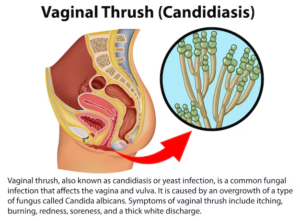
Ayurvedic Treatment for Candida Infection: A Comprehensive Guide are a common and often troublesome health issue,... Continue reading
Ayurvedic Approach to Encephalitis: A Holistic Healing Path is a serious medical condition characterized by inflammation... Continue reading
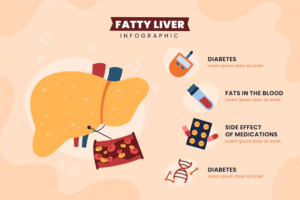
Ayurvedic Approach to Managing Fatty Liver Disease (NAFLD), particularly Non-Alcoholic Fatty Liver Disease (NAFLD), has emerged... Continue reading
Hematuria and Ayurvedic Treatment: A Comprehensive Guide to Understanding and Managing Blood in Urine the presence... Continue reading
Add comment