
No products in the cart.
Return To ShopEwing’s Sarcoma: An Ayurvedic Perspective
Understanding Ewing’s Sarcoma
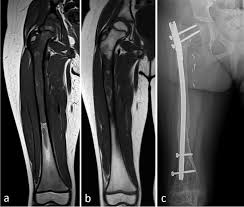
Ewing’s Sarcoma: An Ayurvedic Perspective is a rare type of cancer that primarily affects children and young adults. It usually originates in the bones or soft tissues surrounding them and is characterized by the presence of small, round cells. The exact cause of Ewing’s sarcoma remains unknown, though genetic factors and environmental exposures may contribute to its development. Traditional treatments include surgery, chemotherapy, and radiation therapy. However, many patients and their families seek complementary therapies, including Ayurveda, to enhance overall well-being and potentially improve treatment outcomes.
What is Ayurveda?
Ayurveda, an ancient system of medicine from India, emphasizes a holistic approach to health. It focuses on balancing the body, mind, and spirit through personalized treatments that may include diet, herbal remedies, yoga, and lifestyle modifications. The fundamental principles of Ayurveda are based on the concept of doshas (the energies that govern physiological processes), dhatus (tissues), and malas (waste products). The aim is to restore balance and harmony within the body, thereby promoting healing.
The Ayurvedic Approach to Cancer
In Ayurveda, cancer is viewed as a result of imbalances in the body’s doshas and an accumulation of toxins (ama). Treatment involves not only targeting the tumor but also addressing the underlying imbalances that may have contributed to its development. Here are some key principles of the Ayurvedic approach to cancer:
1. Individualized Treatment
Ayurvedic treatment is tailored to the individual, taking into account their unique constitution (prakriti), the nature of the disease, and any other existing health conditions. This personalized approach allows practitioners to create a holistic plan that may include dietary changes, herbal medicines, and lifestyle adjustments.
2. Detoxification
Detoxification is a crucial component of Ayurvedic cancer treatment. The accumulation of toxins in the body can weaken the immune system and create an environment conducive to disease. Techniques such as Panchakarma (a series of detoxifying treatments) are often employed to eliminate toxins and rejuvenate the body.
3. Herbal Remedies
Ayurveda offers a variety of herbal remedies that may help strengthen the immune system and support the body during cancer treatment. Some commonly used herbs include:
- Ashwagandha (Withania somnifera): Known for its adaptogenic properties, it helps reduce stress and improve vitality.
- Turmeric (Curcuma longa): Contains curcumin, which has anti-inflammatory and antioxidant properties. It may help inhibit cancer cell growth.
- Ginger (Zingiber officinale): Known for its anti-nausea effects, it can help alleviate side effects of chemotherapy.
- Brahmi (Bacopa monnieri): Supports cognitive function and helps in stress management.
4. Diet and Nutrition
Diet plays a vital role in Ayurveda. A balanced diet that nourishes the body and supports the immune system is essential. Here are some dietary recommendations for individuals with Ewing’s sarcoma:
- Fresh fruits and vegetables: Rich in antioxidants, they help fight oxidative stress.
- Whole grains: Foods like quinoa, brown rice, and barley provide essential nutrients.
- Lean proteins: Sources such as legumes, nuts, and seeds support tissue repair.
- Healthy fats: Incorporating ghee and olive oil can help maintain overall health.
5. Lifestyle Modifications
Lifestyle plays a significant role in overall well-being. Regular physical activity, stress management techniques (such as yoga and meditation), and adequate sleep are essential for maintaining balance and promoting healing.
Integrating Ayurveda with Conventional Treatment
While Ayurveda can offer supportive care, it is crucial for patients with Ewing’s sarcoma to work closely with their oncologists when considering complementary therapies. Integrating Ayurvedic practices with conventional treatment can help enhance overall well-being, improve the quality of life, and possibly mitigate some side effects of chemotherapy and radiation.
Open Communication
Patients should maintain open communication with their healthcare team about any Ayurvedic treatments they are considering. This ensures that there are no contraindications with conventional treatments and that the patient receives comprehensive care.
Supportive Therapies
Ayurveda can provide supportive therapies that may help alleviate side effects such as nausea, fatigue, and stress. Techniques like aromatherapy, gentle yoga, and mindfulness practices can enhance emotional well-being during treatment.
Case Studies and Anecdotal Evidence
While scientific research on the effectiveness of Ayurvedic treatments for Ewing’s sarcoma is limited, there are anecdotal accounts of patients experiencing positive outcomes through a holistic approach. Many individuals report improved quality of life, reduced side effects, and enhanced emotional resilience when integrating Ayurvedic practices into their treatment plans.
Challenges and Considerations
Lack of Scientific Research
One of the main challenges in integrating Ayurveda with conventional oncology is the lack of extensive scientific research. More studies are needed to validate the efficacy of Ayurvedic treatments for specific cancers, including Ewing’s sarcoma. Patients should approach Ayurvedic therapies with realistic expectations and an understanding that they are not a replacement for conventional medical treatments.
Quality of Herbal Products
The quality and purity of herbal products can vary significantly. It is essential to source herbs from reputable suppliers and consult with qualified Ayurvedic practitioners to ensure safety and efficacy.
Individual Variation
Each individual’s response to treatment can vary. What works for one person may not work for another. It is important to monitor the body’s reactions and adjust treatments accordingly.
Conclusion
Ewing’s sarcoma is a challenging diagnosis, particularly for young patients and their families. While conventional treatments remain the cornerstone of cancer care, Ayurveda offers a holistic approach that can support overall well-being and enhance the healing process. By integrating Ayurvedic principles with conventional medicine, patients may experience improved quality of life and emotional resilience during their treatment journey.
As with any medical approach, it is crucial for patients to consult healthcare professionals before starting any new treatment. With open communication and a comprehensive plan, the path toward healing can be a collaborative and empowering experience.


About author

Related posts

Atrial Fibrillation and Ayurveda: A Natural Path to Heart Health is a common heart condition that... Continue reading

Ayurvedic Treatment for Candida Infection: A Comprehensive Guide are a common and often troublesome health issue,... Continue reading

Ayurvedic Approach to Encephalitis: A Holistic Healing Path is a serious medical condition characterized by inflammation... Continue reading

Ayurvedic Approach to Managing Fatty Liver Disease (NAFLD), particularly Non-Alcoholic Fatty Liver Disease (NAFLD), has emerged... Continue reading

Hematuria and Ayurvedic Treatment: A Comprehensive Guide to Understanding and Managing Blood in Urine the presence... Continue reading
Add comment