
No products in the cart.
Return To ShopUnderstanding Whooping Cough: An Ayurvedic Perspective
Understanding Whooping Cough: An Ayurvedic Perspective, medically known as pertussis, is a highly contagious respiratory disease caused by the bacterium Bordetella pertussis. Characterized by severe coughing fits that can be followed by a “whooping” sound when inhaling, this condition can be particularly dangerous for infants and young children. While conventional medicine primarily relies on antibiotics and vaccination for prevention, Ayurveda offers a holistic approach to managing symptoms and supporting recovery. In this blog, we’ll explore whooping cough, its symptoms, and how Ayurveda can help.
What is Whooping Cough?
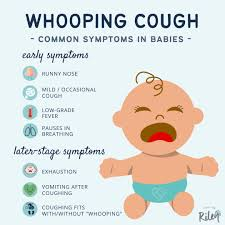
Whooping cough is transmitted through respiratory droplets when an infected person coughs or sneezes. The disease typically starts with mild symptoms that resemble a common cold—such as runny nose, sneezing, and mild cough—before progressing to more severe coughing fits. These coughing spells can be exhausting and may lead to complications, especially in vulnerable populations.
Symptoms of Whooping Cough
- Initial Stage (Catarrhal Stage):
- Runny nose
- Sneezing
- Mild cough
- Low-grade fever
- Paroxysmal Stage:
- Severe, uncontrollable coughing fits
- “Whooping” sound during inhalation
- Vomiting after coughing
- Exhaustion
- Convalescent Stage:
- Gradual recovery with a decrease in coughing severity
- Coughing fits may continue for several weeks
Ayurvedic Perspective on Whooping Cough
In Ayurveda, respiratory diseases like whooping cough are often linked to an imbalance in the body’s doshas—primarily Vata and Kapha. Understanding the underlying imbalance can guide effective treatment strategies.
Dosha Imbalance in Whooping Cough
- Vata Dosha: Associated with movement and communication, an imbalance can lead to dry, spasmodic coughs.
- Kapha Dosha: Linked to structure and lubrication, excess Kapha can cause mucus production and congestion, exacerbating symptoms.
Ayurvedic Principles for Treatment

Ayurveda emphasizes treating the root cause of illness while alleviating symptoms. Here are some key principles for managing whooping cough:
- Dietary Modifications:
- Warm, Nourishing Foods: Opt for warm soups, stews, and herbal teas to soothe the throat and reduce cough.
- Avoid Cold and Heavy Foods: Steer clear of dairy products and fried foods that can increase mucus production.
- Spices: Incorporate ginger, turmeric, and black pepper to support digestion and reduce inflammation.
- Herbal Remedies:
- Tulsi (Holy Basil): Known for its antimicrobial properties, tulsi can help reduce cough and improve respiratory health.
- Ginger: A powerful anti-inflammatory agent, ginger can soothe the throat and help clear mucus.
- Turmeric: With its potent anti-inflammatory and antioxidant properties, turmeric can help alleviate respiratory issues.
- Respiratory Support:
- Steam Inhalation: Inhaling steam infused with eucalyptus or peppermint oil can help open up airways and ease coughing fits.
- Warm Compress: Applying a warm compress to the chest can relieve discomfort and promote relaxation.
- Lifestyle Adjustments:
- Rest and Hydration: Adequate rest is essential for recovery. Staying hydrated helps thin mucus and soothe the throat.
- Avoid Stress: Practicing mindfulness and relaxation techniques can help balance Vata and support overall well-being.
Ayurvedic Treatments for Whooping Cough
- Kashayam (Herbal Decoction):
- A concoction of herbs boiled in water, kashayams can be tailored to address cough and respiratory issues. Common ingredients may include tulsi, ginger, and licorice.
- Vati (Herbal Tablets):
- Herbal tablets like Sitopaladi Churna or Vasaka can be taken to manage cough and support lung health.
- Oil Inhalation:
- Using oils like eucalyptus or sesame oil can provide relief from coughing fits when applied to the chest or inhaled.
- Nasya (Nasal Administration):
- Administering medicated oils through the nostrils can help clear nasal passages and support respiratory function.
Case Study: Ayurvedic Treatment for Whooping Cough
Patient Profile
- Name: Aditi
- Age: 5 years
- Symptoms: Persistent cough for two weeks, difficulty breathing, fatigue, and occasional vomiting after coughing fits.
Ayurvedic Intervention
- Dietary Changes:
- Introduced warm, nourishing foods like vegetable soups and herbal teas. Avoided cold and heavy foods.
- Herbal Remedies:
- Administered a daily dose of tulsi and ginger tea, along with a herbal kashayam.
- Steam Therapy:
- Recommended steam inhalation with eucalyptus oil twice daily to help ease congestion.
- Lifestyle Modifications:
- Encouraged ample rest and hydration, along with gentle yoga practices to support lung health.
Outcome
After two weeks of treatment, Aditi showed significant improvement. The frequency and intensity of her coughing fits decreased, and she began to regain her energy. Follow-up consultations focused on maintaining her health through preventive measures.
Preventive Measures in Ayurveda
While Ayurveda cannot replace vaccination, it can support overall respiratory health and bolster the immune system. Here are some preventive measures to consider:
- Balanced Diet: A diet rich in fruits, vegetables, whole grains, and spices can enhance immunity.
- Regular Exercise: Physical activity improves lung capacity and overall health.
- Herbal Supplements: Consuming immune-boosting herbs like Ashwagandha and Amalaki can help strengthen the body’s defenses.
- Hygiene Practices: Regular handwashing and maintaining clean living environments reduce the risk of infections.
Conclusion
Whooping cough can be a distressing illness, particularly for young children. While conventional medicine plays a crucial role in treatment and prevention, Ayurveda offers a holistic approach that emphasizes diet, herbal remedies, and lifestyle changes to support recovery. By understanding the dosha imbalances and applying Ayurvedic principles, individuals can effectively manage symptoms and promote overall respiratory health. Always consult a qualified Ayurvedic practitioner or healthcare professional before starting any new treatment, especially for young children.
Incorporating Ayurvedic practices can empower individuals and families to take control of their health, paving the way for a balanced and vibrant life. As always, education and awareness remain key in combating respiratory illnesses and supporting community health.


About author

Related posts

Atrial Fibrillation and Ayurveda: A Natural Path to Heart Health is a common heart condition that... Continue reading
Ayurvedic Treatment for Candida Infection: A Comprehensive Guide are a common and often troublesome health issue,... Continue reading

Ayurvedic Approach to Encephalitis: A Holistic Healing Path is a serious medical condition characterized by inflammation... Continue reading

Ayurvedic Approach to Managing Fatty Liver Disease (NAFLD), particularly Non-Alcoholic Fatty Liver Disease (NAFLD), has emerged... Continue reading

Hematuria and Ayurvedic Treatment: A Comprehensive Guide to Understanding and Managing Blood in Urine the presence... Continue reading
Add comment