
No products in the cart.
Return To ShopAortic Aneurysm and Ayurvedic Approaches: A Holistic Perspective
Aortic Aneurysm and Ayurvedic Approaches: A Holistic Perspective, a condition characterized by the abnormal dilation of the aorta, poses significant health risks, including the potential for rupture and life-threatening complications. Conventional treatment often involves surgical intervention, but many patients seek complementary approaches to support their health and well-being. Ayurveda, an ancient system of medicine originating from India, offers holistic strategies that focus on balancing the body’s energies, improving lifestyle choices, and using natural remedies. This blog explores the relationship between aortic aneurysms and Ayurvedic medicine, providing insights into prevention, management, and overall wellness.
Understanding Aortic Aneurysm
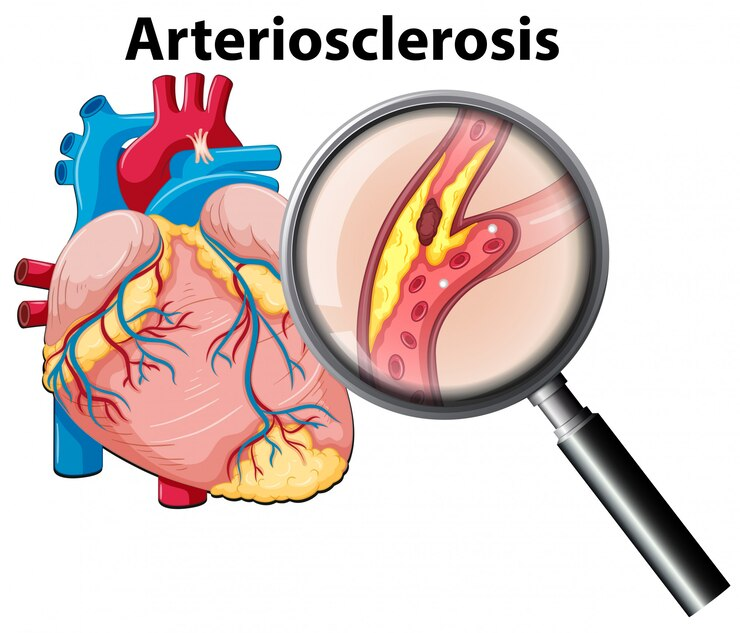
What is an Aortic Aneurysm?
The aorta is the largest artery in the body, responsible for carrying oxygen-rich blood from the heart to the rest of the body. An aortic aneurysm occurs when a weak spot in the wall of the aorta bulges or balloons, which can lead to serious complications. There are two main types of aortic aneurysms:
- Thoracic Aortic Aneurysm (TAA): Occurs in the part of the aorta that runs through the chest.
- Abdominal Aortic Aneurysm (AAA): Occurs in the portion of the aorta that runs through the abdomen.
Risk Factors
Several factors increase the risk of developing an aortic aneurysm, including:
- Age: More common in individuals over 65.
- Gender: Males are at higher risk.
- Family History: Genetic predisposition can play a role.
- Lifestyle Factors: Smoking, high blood pressure, high cholesterol, and obesity contribute significantly.
The Ayurvedic Perspective
Understanding Ayurveda
Ayurveda is based on the belief that health is a balance of the body, mind, and spirit. It categorizes individuals into three primary doshas: Vata, Pitta, and Kapha. Each dosha represents a combination of elements and governs different physiological functions.
- Vata: Associated with air and space; governs movement and communication.
- Pitta: Linked to fire and water; controls metabolism and transformation.
- Kapha: Related to earth and water; responsible for structure and stability.
In Ayurveda, health conditions are seen as imbalances in these doshas, and treatment focuses on restoring harmony.
Aortic Aneurysm in Ayurvedic Terms
From an Ayurvedic perspective, an aortic aneurysm may be viewed as an imbalance in the body’s dhatus (tissues), particularly related to the circulatory system. Factors such as excess heat (Pitta) and weakness in the connective tissues (Kapha) may contribute to the development of an aneurysm.
Ayurvedic Strategies for Aortic Aneurysm Management
1. Dietary Modifications
Ayurveda emphasizes the importance of diet in maintaining health. A balanced diet tailored to an individual’s dosha can help support cardiovascular health.
- Pitta-Pacifying Foods: Include cooling foods like cucumbers, melons, and leafy greens to balance the heat.
- Heart-Healthy Fats: Incorporate healthy fats such as ghee, olive oil, and nuts, which can support vascular health.
- High-Fiber Foods: Whole grains, legumes, and fruits can help lower cholesterol and improve overall health.
- Avoid Processed Foods: Limit intake of processed sugars, trans fats, and excessive salt.
2. Herbal Remedies
Ayurveda offers a variety of herbs known for their beneficial effects on the cardiovascular system:
- Arjuna (Terminalia arjuna): Known for its heart-strengthening properties, Arjuna helps improve circulation and may assist in reducing blood pressure.
- Guggulu (Commiphora mukul): This resin has lipid-lowering properties and can support heart health.
- Ashwagandha (Withania somnifera): A powerful adaptogen that helps manage stress, which is crucial for overall cardiovascular health.
- Turmeric (Curcuma longa): Contains curcumin, known for its anti-inflammatory and antioxidant properties, beneficial for heart health.
3. Lifestyle Changes
In addition to diet and herbs, Ayurveda advocates for specific lifestyle changes to promote heart health:
- Regular Exercise: Engaging in gentle exercises such as yoga or walking can improve circulation and reduce stress.
- Stress Management: Practices like meditation, pranayama (breath control), and mindfulness can help lower stress levels, which is essential for cardiovascular health.
- Adequate Sleep: Ensuring restorative sleep is vital for overall health. Establish a consistent sleep routine to promote healing and recovery.
4. Detoxification
Ayurveda places significant emphasis on detoxification (Panchakarma) to remove toxins (ama) from the body. This process can help rejuvenate tissues and restore balance. Consult with an Ayurvedic practitioner to determine the most appropriate detoxification regimen for your specific needs.
5. Regular Monitoring
While Ayurvedic practices can be beneficial, regular monitoring and consultation with healthcare professionals are essential. Keep track of blood pressure, cholesterol levels, and any symptoms related to the aorta. Combining Ayurvedic methods with conventional medical care provides a comprehensive approach to managing aortic aneurysms.
Conclusion
Aortic aneurysms are serious medical conditions that require careful attention and management. While conventional treatments are crucial, integrating Ayurvedic principles can offer supportive strategies for overall wellness and health improvement. By focusing on dietary modifications, herbal remedies, lifestyle changes, and detoxification, individuals can work towards restoring balance in their bodies.
It’s important to remember that any approach should be personalized, and consulting with both Ayurvedic practitioners and conventional healthcare providers is vital to ensure safety and efficacy. By taking a holistic approach, patients can empower themselves to manage their health effectively, potentially reducing the risk of complications associated with aortic aneurysms.
Final Thoughts
Embracing Ayurveda as a complementary approach to managing aortic aneurysms can provide individuals with the tools and knowledge to enhance their health and well-being. By prioritizing a balanced lifestyle and utilizing nature’s remedies, it’s possible to cultivate a healthier future while navigating the complexities of this condition.


About author

Related posts

Atrial Fibrillation and Ayurveda: A Natural Path to Heart Health is a common heart condition that... Continue reading
Ayurvedic Treatment for Candida Infection: A Comprehensive Guide are a common and often troublesome health issue,... Continue reading
Ayurvedic Approach to Encephalitis: A Holistic Healing Path is a serious medical condition characterized by inflammation... Continue reading
Ayurvedic Approach to Managing Fatty Liver Disease (NAFLD), particularly Non-Alcoholic Fatty Liver Disease (NAFLD), has emerged... Continue reading
Hematuria and Ayurvedic Treatment: A Comprehensive Guide to Understanding and Managing Blood in Urine the presence... Continue reading
Add comment