
No products in the cart.
Return To ShopUnderstanding Ehlers-Danlos Syndrome and Ayurveda: A Holistic Approach to Management
Understanding Ehlers-Danlos Syndrome and Ayurveda: A Holistic Approach to Management is a group of connective tissue disorders characterized by hypermobility, skin elasticity, and tissue fragility. The condition varies in severity and can lead to joint dislocations, chronic pain, and a range of other symptoms. While traditional medicine often focuses on symptom management, many patients seek complementary therapies, including Ayurveda, to enhance their well-being. This blog explores the principles of Ayurveda and how they can provide a holistic approach to managing EDS.
What is Ehlers-Danlos Syndrome?
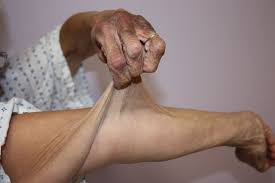
Understanding Ehlers-Danlos Syndrome and Ayurveda: A Holistic Approach to Management
EDS encompasses several types, with the most common being hypermobile EDS (hEDS). Individuals with hEDS often experience:
- Joint hypermobility: Excessive movement in joints, leading to instability.
- Skin symptoms: Soft, velvety skin that may bruise easily.
- Chronic pain: Ongoing discomfort in muscles and joints.
- Fatigue: Persistent tiredness that affects daily activities.
Because EDS is genetic, there is currently no cure. Treatment primarily focuses on managing symptoms, preventing injury, and improving quality of life.
The Ayurvedic Perspective
Ayurveda, the ancient Indian system of medicine, emphasizes balance in the body, mind, and spirit. It operates on the principle that each individual is unique, and treatment should be personalized. Ayurveda categorizes individuals based on three doshas—Vata, Pitta, and Kapha—each representing different physical and mental characteristics.
Dosha Imbalances and EDS
Individuals with EDS may have an imbalance in one or more doshas, often characterized by Vata dosha predominance. Vata governs movement and is associated with qualities like dryness, lightness, and irregularity. Symptoms of EDS, such as joint instability and skin fragility, can be linked to Vata imbalances.
The Importance of Personalization
In Ayurveda, treatment is tailored to an individual’s specific constitution (Prakriti) and current state (Vikriti). This personalization is crucial for effectively addressing the complexities of EDS.
Ayurvedic Treatments for Ehlers-Danlos Syndrome
1. Diet and Nutrition
Ayurvedic dietary recommendations focus on balancing the doshas. A well-balanced diet can help strengthen connective tissues and improve overall health.
- Incorporate grounding foods: For individuals with a Vata imbalance, grounding foods such as root vegetables, whole grains, and healthy fats can provide stability.
- Hydration: Staying hydrated is essential, particularly for maintaining skin elasticity. Herbal teas and soups can be beneficial.
- Anti-inflammatory foods: Incorporate foods with anti-inflammatory properties, such as turmeric, ginger, and leafy greens.
2. Herbal Remedies
Several herbs can support connective tissue health and overall vitality:
- Ashwagandha: Known for its adaptogenic properties, it can help reduce stress and enhance strength.
- Turmeric: With its anti-inflammatory effects, turmeric can alleviate pain and improve joint function.
- Boswellia: This herb may help reduce inflammation and improve mobility in joints.
3. Panchakarma: Detoxification and Rejuvenation
Panchakarma is a detoxification process that can help restore balance and rejuvenate the body. It consists of several therapies, including:
- Abhyanga (oil massage): A warm oil massage helps nourish the skin, improve circulation, and promote relaxation.
- Basti (medicated enemas): This treatment helps cleanse and rejuvenate the body, particularly beneficial for Vata imbalances.
- Swedana (sudation): Herbal steam therapy can help relieve stiffness and improve blood flow to affected areas.
4. Yoga and Physical Therapy
Yoga is a crucial aspect of managing EDS, focusing on gentle stretching, strengthening, and relaxation:
- Gentle yoga practices: Incorporate restorative poses that emphasize stability and alignment.
- Breathwork: Pranayama can help manage stress and enhance relaxation, providing relief from chronic pain.
5. Mind-Body Techniques
Stress management is vital for individuals with EDS, as stress can exacerbate symptoms. Ayurvedic practices such as meditation and mindfulness can help:
- Meditation: Regular meditation can promote mental clarity and emotional balance.
- Visualization: Techniques that involve visualizing healing can empower individuals to manage their symptoms more effectively.
Lifestyle Modifications
In addition to Ayurvedic treatments, certain lifestyle changes can help manage EDS:
1. Ergonomics and Support
Investing in supportive footwear, braces, or orthotics can help stabilize joints and reduce the risk of injury. Ergonomic adjustments in daily activities can also help minimize strain on the body.
2. Regular Rest
Rest is crucial for recovery and pain management. Establish a routine that incorporates periods of rest and relaxation throughout the day.
3. Community Support
Connecting with others who have EDS can provide emotional support and valuable insights. Online forums, local support groups, or educational workshops can help individuals feel less isolated.
Conclusion
While Ehlers-Danlos Syndrome presents unique challenges, a holistic approach through Ayurveda can empower individuals to manage their symptoms and enhance their quality of life. By focusing on personalized dietary recommendations, herbal remedies, detoxification, and mind-body practices, Ayurveda offers valuable tools for those living with EDS.
As always, it’s essential to consult with healthcare professionals before making significant changes to your treatment plan. Integrating Ayurveda with conventional medicine can create a comprehensive strategy for managing EDS, fostering a greater sense of well-being and resilience.
Final Thoughts
Living with Ehlers-Danlos Syndrome can be challenging, but understanding the condition and exploring holistic options can make a significant difference. Ayurveda’s emphasis on balance and personalization aligns well with the complexities of EDS, providing a pathway toward improved health and harmony. Whether through diet, herbal remedies, or lifestyle adjustments, the ancient wisdom of Ayurveda offers hope and healing for those navigating the journey of EDS.

About author

Related posts
Atrial Fibrillation and Ayurveda: A Natural Path to Heart Health is a common heart condition that... Continue reading
Ayurvedic Treatment for Candida Infection: A Comprehensive Guide are a common and often troublesome health issue,... Continue reading
Ayurvedic Approach to Encephalitis: A Holistic Healing Path is a serious medical condition characterized by inflammation... Continue reading
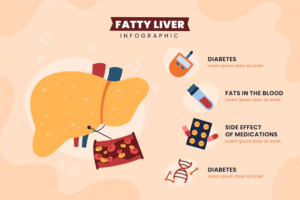
Ayurvedic Approach to Managing Fatty Liver Disease (NAFLD), particularly Non-Alcoholic Fatty Liver Disease (NAFLD), has emerged... Continue reading
Hematuria and Ayurvedic Treatment: A Comprehensive Guide to Understanding and Managing Blood in Urine the presence... Continue reading
Add comment