
No products in the cart.
Return To ShopUnderstanding Hives: An Ayurvedic Perspective
Understanding Hives: An Ayurvedic Perspective known scientifically as urticaria, are characterized by raised, itchy welts on the skin. These can appear suddenly and vary in size, often accompanied by redness and swelling. While conventional treatments typically focus on antihistamines and corticosteroids, Ayurveda offers a holistic approach that emphasizes balance and harmony within the body. In this blog, we will explore the causes of hives, the Ayurvedic perspective on this condition, and various remedies and lifestyle changes that can help alleviate symptoms.
What Are Hives?
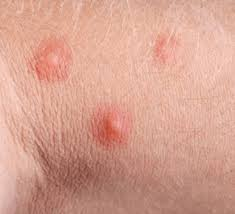
Hives can occur as an allergic reaction to foods, medications, or environmental factors. They can also result from stress, infections, or underlying health issues. The skin’s response involves the release of histamine and other chemicals, leading to inflammation and itching. While hives are generally not life-threatening, they can be uncomfortable and disruptive to daily life.
Types of Hives
- Acute Urticaria: Lasts less than six weeks and is often linked to allergic reactions.
- Chronic Urticaria: Persists for six weeks or longer and can be idiopathic, meaning the exact cause is unknown.
The Ayurvedic Perspective
Ayurveda views hives as a manifestation of an imbalance in the body’s doshas—Vata, Pitta, and Kapha. Each dosha represents a combination of elements and governs various physiological functions.
Dosha Imbalance and Hives
- Pitta Imbalance: Hives are often associated with Pitta dosha imbalance, which can lead to excess heat in the body. This heat manifests as inflammation and irritation on the skin.
- Vata and Kapha: While less common, a Vata imbalance may lead to dryness and flakiness, while Kapha may contribute to sluggishness and mucous buildup, affecting skin health.
Root Causes
In Ayurveda, the root causes of hives may include:
- Dietary Factors: Consumption of inflammatory foods, such as processed sugars, fried foods, and certain allergens.
- Lifestyle Choices: Stress, lack of sleep, and irregular routines can exacerbate symptoms.
- Environmental Factors: Exposure to pollutants, chemicals, and extreme weather conditions can trigger hives.
Ayurvedic Remedies for Hives
1. Dietary Adjustments
A balanced diet is crucial for maintaining dosha harmony. Here are some dietary recommendations:
- Anti-Inflammatory Foods: Include turmeric, ginger, and garlic in your meals to help reduce inflammation.
- Cooling Foods: Incorporate foods that pacify Pitta, such as cucumbers, melons, and leafy greens.
- Avoid Triggers: Identify and eliminate potential allergens or irritants from your diet, such as dairy, gluten, or shellfish.
2. Herbal Remedies
Several herbs are known in Ayurveda for their anti-inflammatory and cooling properties:
- Neem: Known for its blood-purifying and anti-inflammatory properties, neem can be taken as a supplement or used in topical applications.
- Aloe Vera: Aloe is soothing for the skin and can be applied directly to hives to relieve itching and inflammation.
- Tulsi (Holy Basil): Tulsi can help strengthen the immune system and reduce allergic reactions. It can be consumed as tea or in supplement form.
3. Lifestyle Modifications
Incorporating healthy lifestyle practices can significantly impact overall well-being:
- Stress Management: Engage in regular practices such as yoga, meditation, or deep breathing exercises to manage stress, which can trigger hives.
- Adequate Sleep: Ensure you get enough restful sleep to allow your body to heal and rejuvenate.
- Hydration: Drink plenty of water to flush out toxins and maintain skin hydration.
4. Topical Treatments
In addition to dietary and herbal remedies, topical treatments can provide relief:
- Cold Compresses: Applying cold packs can soothe itching and reduce inflammation.
- Essential Oils: Oils like lavender and chamomile can be diluted and applied to the skin for their calming properties.
5. Panchakarma
For those with chronic hives, Panchakarma, an Ayurvedic detoxification therapy, can be beneficial. This treatment involves a series of procedures aimed at cleansing the body and restoring dosha balance. A qualified Ayurvedic practitioner can guide you through this process.
When to Seek Medical Help
While many cases of hives can be managed through Ayurvedic practices, it’s essential to consult a healthcare provider if:
- Symptoms persist or worsen.
- You experience difficulty breathing or swelling in the face or throat, which may indicate an anaphylactic reaction.
- You have other concerning symptoms like fever or joint pain.
Conclusion
Hives can be an uncomfortable and frustrating condition, but Ayurveda offers a holistic approach to understanding and managing it. By addressing the root causes through dietary changes, herbal remedies, and lifestyle modifications, individuals can find relief and restore balance in their bodies. Always consult with a qualified healthcare practitioner before starting any new treatment, especially if you have underlying health conditions or are taking medications.
By embracing Ayurvedic principles, you not only aim to alleviate the symptoms of hives but also promote overall health and well-being, fostering a deeper connection with your body and its needs.


About author

Related posts

Atrial Fibrillation and Ayurveda: A Natural Path to Heart Health is a common heart condition that... Continue reading
Ayurvedic Treatment for Candida Infection: A Comprehensive Guide are a common and often troublesome health issue,... Continue reading
Ayurvedic Approach to Encephalitis: A Holistic Healing Path is a serious medical condition characterized by inflammation... Continue reading

Ayurvedic Approach to Managing Fatty Liver Disease (NAFLD), particularly Non-Alcoholic Fatty Liver Disease (NAFLD), has emerged... Continue reading

Hematuria and Ayurvedic Treatment: A Comprehensive Guide to Understanding and Managing Blood in Urine the presence... Continue reading
Add comment