No products in the cart.
Return To ShopUnderstanding Acromegaly and Its Management through Ayurveda
Understanding Acromegaly and Its Management through Ayurveda is a rare hormonal disorder that results from excess growth hormone (GH) in the body, often caused by a benign tumor on the pituitary gland. This condition leads to abnormal growth of bones and tissues, particularly in the face, hands, and feet. While conventional treatments often focus on surgery, medication, and radiation therapy, many individuals seek complementary approaches to manage their symptoms and improve their quality of life. Ayurveda, the ancient system of medicine from India, offers a holistic perspective that can be beneficial for those with acromegaly. This blog will explore acromegaly, its symptoms, and how Ayurvedic principles and practices can assist in managing this condition.
Understanding Acromegaly
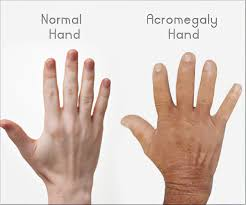
Acromegaly usually occurs in middle-aged adults, though it can develop at any age. The most common symptoms include:
- Enlargement of the hands and feet
- Facial changes, such as a protruding jaw and enlarged nose
- Thickened skin
- Joint pain
- Sleep apnea
- Vision problems
- Headaches
- Increased sweating and body odor
The underlying cause, as mentioned, is often a pituitary adenoma, which leads to excessive secretion of growth hormone. Over time, elevated growth hormone levels can cause other hormonal imbalances, leading to complications such as diabetes, hypertension, and cardiovascular diseases.
Conventional Treatment Approaches
Conventional treatment for acromegaly primarily focuses on:
- Surgery: Removal of the tumor if it’s accessible.
- Medications: Such as somatostatin analogs to inhibit GH production, dopamine agonists, and GH receptor antagonists.
- Radiation Therapy: To shrink the tumor and reduce GH levels.
While these treatments can effectively manage acromegaly, they may also have side effects and do not address the holistic aspects of health. This is where Ayurveda can play a complementary role.
Ayurveda: A Holistic Approach to Health
Ayurveda emphasizes balance among the body, mind, and spirit. It identifies three main energies, or doshas: Vata, Pitta, and Kapha, each associated with different physical and emotional characteristics. Acromegaly can disrupt this balance, leading to various symptoms and complications.
Key Ayurvedic Principles
- Individualized Treatment: Ayurveda recognizes that each person is unique, and treatments should be tailored to individual constitutions and imbalances.
- Diet and Nutrition: What we eat significantly impacts our health. Ayurvedic diets focus on balancing the doshas and nourishing the body with wholesome, natural foods.
- Herbal Remedies: Ayurveda utilizes a variety of herbs to address hormonal imbalances and promote overall health.
- Lifestyle Practices: Incorporating yoga, meditation, and daily routines can help manage stress and improve well-being.
Ayurvedic Management of Acromegaly
1. Diet and Nutrition
A balanced diet is crucial in Ayurveda for managing acromegaly. It is important to focus on foods that are light, easy to digest, and balance the doshas:
- Incorporate anti-inflammatory foods: Foods such as turmeric, ginger, and garlic can help reduce inflammation.
- Avoid heavy and fatty foods: These can aggravate Kapha dosha and lead to weight gain and other complications.
- Focus on whole grains and legumes: Quinoa, barley, and lentils are excellent sources of protein and fiber.
- Include fresh fruits and vegetables: These provide essential vitamins, minerals, and antioxidants.
2. Herbal Remedies
Several herbs can be beneficial for individuals with acromegaly:
- Ashwagandha (Withania somnifera): Known for its adaptogenic properties, ashwagandha can help balance hormonal levels and reduce stress.
- Brahmi (Bacopa monnieri): This herb enhances cognitive function and helps in managing stress, which is vital for overall hormonal balance.
- Guggulu (Commiphora mukul): Known for its anti-inflammatory properties, guggulu can support metabolic processes.
- Turmeric (Curcuma longa): With its active compound curcumin, turmeric is a potent anti-inflammatory and antioxidant agent.
3. Yoga and Physical Activity
Engaging in regular physical activity is essential for overall health. Yoga can be particularly beneficial:
- Asanas (Postures): Certain yoga poses like Bhujangasana (Cobra Pose), Adho Mukha Svanasana (Downward Dog), and Tadasana (Mountain Pose) can help improve flexibility, strength, and balance.
- Pranayama (Breathing exercises): Techniques like Nadi Shodhana (Alternate Nostril Breathing) can help reduce stress and promote hormonal balance.
- Meditation: Regular meditation can help calm the mind, reduce stress, and improve overall well-being.
4. Lifestyle Modifications
Ayurveda emphasizes the importance of a balanced lifestyle:
- Establish a routine: Following a daily routine (dinacharya) can help regulate bodily functions.
- Adequate Sleep: Prioritize restful sleep to support recovery and hormonal balance.
- Stress Management: Incorporate relaxation techniques and mindfulness practices to manage stress effectively.
5. Detoxification
Panchakarma, a detoxification process in Ayurveda, may help remove toxins (ama) from the body and restore balance. This process should only be performed under the guidance of a qualified Ayurvedic practitioner. Panchakarma involves therapies such as:
- Vamana (Therapeutic vomiting)
- Virechana (Purgation)
- Basti (Enema therapy)
- Raktamokshana (Bloodletting)
These treatments can help purify the body and improve metabolic functions, which may be beneficial for those with hormonal disorders.
Conclusion
While conventional treatments for acromegaly are essential for managing the condition, incorporating Ayurvedic principles can enhance overall well-being and promote a balanced lifestyle. By focusing on individualized diets, herbal remedies, yoga, and lifestyle modifications, individuals with acromegaly can support their health in a holistic manner.
As always, it’s crucial to consult with healthcare professionals before making any significant changes to your treatment plan. A collaborative approach that combines conventional and complementary therapies can provide the best outcomes for managing acromegaly and improving quality of life. Through understanding and applying Ayurvedic principles, individuals can work towards achieving balance and health, even in the face of a challenging condition like acromegaly.
About author

Related posts

Atrial Fibrillation and Ayurveda: A Natural Path to Heart Health is a common heart condition that... Continue reading
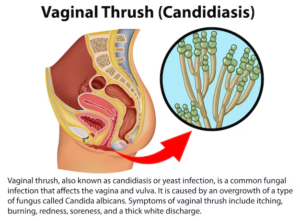
Ayurvedic Treatment for Candida Infection: A Comprehensive Guide are a common and often troublesome health issue,... Continue reading
Ayurvedic Approach to Encephalitis: A Holistic Healing Path is a serious medical condition characterized by inflammation... Continue reading

Ayurvedic Approach to Managing Fatty Liver Disease (NAFLD), particularly Non-Alcoholic Fatty Liver Disease (NAFLD), has emerged... Continue reading

Hematuria and Ayurvedic Treatment: A Comprehensive Guide to Understanding and Managing Blood in Urine the presence... Continue reading
Add comment