No products in the cart.
Return To ShopUnderstanding Giantism: An Ayurvedic Perspective
Understanding Giantism: An Ayurvedic Perspective, a rare condition characterized by excessive growth and height, is primarily caused by an overproduction of growth hormone, usually due to a pituitary tumor. While modern medicine focuses on hormonal treatments and surgical interventions, Ayurveda offers a holistic approach that emphasizes balancing the body’s energies, enhancing overall well-being, and addressing the root causes of the condition.
What is Giantism?
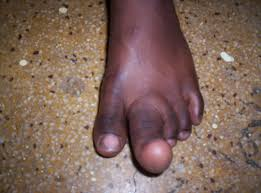
Giantism occurs during childhood and is a result of excessive growth hormone production before the closure of the growth plates in the long bones. This condition leads to abnormal increases in height and may be accompanied by various physical and psychological challenges, including joint pain, cardiovascular issues, and social stigma.
The symptoms of giantism can include:
- Excessive Height: Individuals may grow to heights significantly above average.
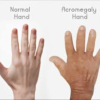
- Enlarged Features: Hands, feet, and facial features may become enlarged.
- Joint Pain: Increased height can lead to discomfort and pain in joints.
- Vision Problems: Pressure from a pituitary tumor may affect vision.
- Hormonal Imbalances: Other hormonal disturbances may accompany the condition.
Understanding giantism through the lens of Ayurveda involves recognizing the individual’s unique constitution (Prakriti) and the imbalances present in their body.
Ayurvedic Concepts Related to Giantism
Dosha Imbalance
Ayurveda categorizes individuals into three primary doshas: Vata, Pitta, and Kapha. Each dosha represents different physical and emotional characteristics. An imbalance in these doshas can lead to health issues, including conditions like giantism.
- Kapha: Often associated with growth and stability, an excess of Kapha may lead to excessive tissue development and growth.
- Pitta: Associated with metabolism and transformation, an imbalance in Pitta may also affect hormonal levels, contributing to growth disorders.
- Vata: Though not directly linked to growth, Vata’s role in mobility and energy can influence overall health.
Srotas and Dhatus
In Ayurveda, the body’s channels (srotas) and tissues (dhatus) play crucial roles in maintaining health. Giantism may result from improper functioning of these systems, leading to an excess of tissue growth (mamsa dhatu).
- Srotas: The channels responsible for transporting nutrients and waste can become obstructed or imbalanced, impacting growth.
- Dhatus: The seven dhatus (tissues) need to be balanced for optimal health. An excess of the mamsa dhatu may lead to abnormal growth.
Ayurvedic Treatment Approaches
Dietary Recommendations
Ayurveda emphasizes the importance of diet in managing health conditions. For individuals with giantism, a balanced diet that supports overall well-being and reduces excess growth is essential.
- Incorporate Bitter and Astringent Foods: Foods like bitter gourd, turmeric, and green leafy vegetables can help balance excess Kapha and Pitta doshas.
- Limit Sweet and Heavy Foods: Reducing sugar and dairy intake can prevent further tissue buildup and balance excess Kapha.
- Increase Hydration: Drinking warm water and herbal teas can aid digestion and improve metabolic functions.
Herbal Remedies
Ayurvedic herbs can play a significant role in managing giantism. Some beneficial herbs include:
- Guggulu (Commiphora mukul): Known for its ability to balance Kapha and support metabolism, it may help manage growth.
- Ashwagandha (Withania somnifera): This adaptogen can help reduce stress and balance hormonal levels, contributing to overall health.
- Turmeric (Curcuma longa): Its anti-inflammatory properties may help alleviate joint pain associated with giantism.
Panchakarma Therapy
Panchakarma, the detoxification and rejuvenation process in Ayurveda, can help restore balance in the body. Specific treatments may include:
- Virechana (Purgation): This therapy helps eliminate excess Pitta from the body, which can aid in balancing hormonal levels.
- Basti (Enema): This treatment is particularly effective for balancing Vata and promoting digestive health.
- Swedana (Sweating Therapy): This can help detoxify the body and improve circulation.
Lifestyle Modifications
In addition to dietary changes and herbal treatments, lifestyle modifications play a crucial role in managing giantism:
- Regular Exercise: Engaging in low-impact exercises like yoga or swimming can help maintain joint health and overall fitness without stressing the body.
- Mindfulness and Meditation: Stress management techniques can balance hormonal levels and support emotional well-being.
- Adequate Sleep: Ensuring sufficient rest is essential for hormonal balance and overall health.
Psychological Support
The psychological impact of giantism can be profound. Ayurveda recognizes the connection between mind and body, emphasizing the importance of mental well-being. Practices such as meditation, counseling, and engaging in supportive communities can help individuals cope with the emotional challenges associated with giantism.
Case Studies and Success Stories
Several individuals have experienced positive outcomes by integrating Ayurvedic principles into their lives. For instance, a young adult diagnosed with giantism underwent a holistic treatment plan involving dietary changes, herbal supplements, and lifestyle modifications. Over time, they reported reduced joint pain, improved energy levels, and a better sense of self-acceptance.
Another case involved a child with growth issues who benefitted from a tailored Ayurvedic regimen. Through consistent application of dietary changes and Ayurvedic herbs, the child showed improved health markers and an overall sense of balance in life.
Conclusion
Giantism presents unique challenges, both physically and emotionally. While modern medicine offers various treatments, Ayurveda provides a comprehensive, holistic approach that addresses the root causes of the condition and emphasizes balance in all aspects of life. By focusing on diet, herbal remedies, lifestyle modifications, and psychological support, individuals with giantism can work towards achieving a balanced state of health.
Ultimately, the journey of managing giantism is personal and requires a tailored approach that resonates with each individual’s unique constitution. Integrating Ayurvedic principles can foster a greater sense of well-being and pave the way for a healthier, more balanced life.
Call to Action
If you or someone you know is dealing with giantism, consider exploring Ayurvedic options in conjunction with modern medical advice. A consultation with an experienced Ayurvedic practitioner can provide valuable insights and help create a personalized treatment plan that promotes holistic health and well-being.

About author

Related posts

Atrial Fibrillation and Ayurveda: A Natural Path to Heart Health is a common heart condition that... Continue reading

Ayurvedic Treatment for Candida Infection: A Comprehensive Guide are a common and often troublesome health issue,... Continue reading

Ayurvedic Approach to Encephalitis: A Holistic Healing Path is a serious medical condition characterized by inflammation... Continue reading

Ayurvedic Approach to Managing Fatty Liver Disease (NAFLD), particularly Non-Alcoholic Fatty Liver Disease (NAFLD), has emerged... Continue reading

Hematuria and Ayurvedic Treatment: A Comprehensive Guide to Understanding and Managing Blood in Urine the presence... Continue reading
Add comment