
No products in the cart.
Return To ShopAyurvedic Approaches to Managing Uveitis: A Comprehensive Guide
Ayurvedic Approaches to Managing Uveitis: A Comprehensive Guide, an inflammation of the uvea, the middle layer of the eye, can lead to a host of uncomfortable symptoms and, if left untreated, can result in serious vision problems. Traditional treatment often involves medications such as corticosteroids and immunosuppressants, but there is growing interest in complementary approaches. Among these, Ayurveda—a holistic system of medicine from India—offers a unique perspective on managing uveitis. In this blog, we will explore the nature of uveitis, conventional treatments, and how Ayurvedic medicine can play a role in managing this condition.
Understanding Uveitis
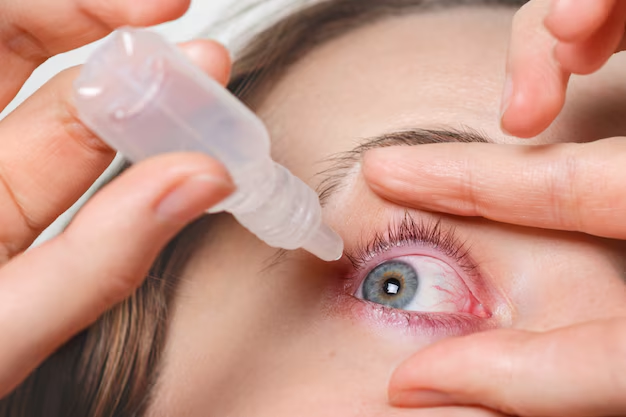
Uveitis is an inflammatory condition affecting one or more parts of the uvea, which consists of the iris, ciliary body, and choroid. The inflammation can occur in various parts:
- Iritis: Inflammation of the iris (the colored part of the eye).
- Cyclitis: Inflammation of the ciliary body (which produces the aqueous humor).
- Choroiditis: Inflammation of the choroid (the layer between the retina and the sclera).
- Panuveitis: Inflammation of all parts of the uvea.
Symptoms of uveitis can include eye pain, redness, sensitivity to light, blurred vision, and the appearance of floating spots. The condition can be caused by infections, autoimmune diseases, trauma, or may occur without an identifiable cause.
Conventional Treatment for Uveitis
Treatment of uveitis generally depends on its underlying cause and may include:
- Corticosteroids: These medications are used to reduce inflammation and can be administered topically (eye drops), orally, or through injections.
- Immunosuppressive Drugs: Used when uveitis is due to autoimmune conditions.
- Antibiotics or Antiviral Medications: Prescribed if an infection is causing the uveitis.
- Cycloplegics: These help alleviate pain by dilating the pupil and relaxing the muscles inside the eye.
While effective, these treatments can have side effects and may not be suitable for everyone. This has led many to seek alternative or complementary therapies, including Ayurveda.
What is Ayurveda?
Ayurveda, which means “the science of life,” is a traditional system of medicine that originated in India over 5,000 years ago. It focuses on balancing the body’s three doshas—vata, pitta, and kapha—to maintain health and treat disease. Ayurveda emphasizes a holistic approach, integrating diet, lifestyle changes, herbal remedies, and therapeutic treatments.
Ayurvedic Perspective on Uveitis
In Ayurveda, uveitis is considered to be primarily related to an imbalance in the pitta dosha. Pitta is associated with heat, inflammation, and metabolism. When pitta becomes aggravated, it can lead to inflammatory conditions, including those affecting the eyes.
Ayurvedic Principles for Managing Uveitis
- Dietary Modifications:
- Cooling Foods: To balance the pitta dosha, include cooling foods in your diet such as cucumber, coconut, cilantro, and melon. These foods help to counteract excess heat.
- Avoid Spicy and Acidic Foods: Foods that are spicy, acidic, or excessively hot can aggravate pitta and exacerbate symptoms of uveitis. Limiting or avoiding these foods can help maintain balance.
- Hydration: Adequate hydration is essential. Drinking plenty of water and herbal teas such as coriander or mint tea can help maintain internal balance and soothe inflammation.
- Herbal Remedies:
- Triphala: This is a traditional Ayurvedic formulation made from three fruits—amla, bibhitaki, and haritaki. Triphala is known for its detoxifying and anti-inflammatory properties and can help in reducing inflammation.
- Turmeric: The active compound curcumin in turmeric has potent anti-inflammatory properties. Incorporating turmeric into the diet or taking it as a supplement may help reduce inflammation associated with uveitis.
- Neem: Neem is known for its anti-inflammatory and antimicrobial properties. It can be used to address inflammation and infection that might be contributing to uveitis.
- Eye Care Practices:
- Neti (Nasal Cleansing): This involves using a saline solution to cleanse the nasal passages, which helps balance doshas and may reduce inflammation in the eyes.
- Anjana (Eye Ointments): Ayurvedic practitioners may apply specific herbal ointments to the eyes to soothe irritation and promote healing. These ointments are often made from natural ingredients known for their calming and healing properties.
- Lifestyle Modifications:
- Stress Management: Stress can exacerbate dosha imbalances. Practices such as yoga and meditation can help manage stress and support overall well-being.
- Adequate Rest: Ensure you get enough rest to help the body recover and maintain balance. Avoid overexertion and prioritize relaxation to support healing.
Integrating Ayurveda with Conventional Medicine
While Ayurvedic treatments can offer significant benefits, they should not replace conventional treatments but rather complement them. Integrating Ayurvedic practices with standard medical care can provide a holistic approach to managing uveitis. Here’s how this integration can be beneficial:
- Complementary Benefits: Ayurvedic remedies can help manage symptoms and reduce inflammation, which can complement the effects of conventional treatments.
- Personalized Care: Ayurveda focuses on individual constitution and imbalance, allowing for a personalized approach that can address specific needs and imbalances.
- Holistic Approach: Ayurveda addresses overall health, not just the symptoms of uveitis, which can improve overall well-being and potentially enhance the effectiveness of conventional treatments.
Case Studies and Research
Ayurvedic Approaches to Managing Uveitis: A Comprehensive Guide However, some studies have highlighted the potential benefits of Ayurvedic herbs, such as turmeric and neem, in reducing inflammation and supporting eye health.
Conclusion
Ayurvedic Approaches to Managing Uveitis: A Comprehensive Guide is a serious condition that requires careful management to prevent complications and preserve vision. While conventional treatments are crucial for controlling inflammation and treating the underlying causes, Ayurveda offers a complementary approach that focuses on balancing the body’s doshas, supporting overall health, and using natural remedies.
By incorporating Ayurvedic principles such as a pitta-pacifying diet, herbal remedies, and lifestyle modifications, individuals with uveitis can explore additional strategies for managing their condition.
In embracing both conventional and Ayurvedic approaches, individuals with uveitis can benefit from a broader range of treatment options, aiming for improved outcomes and enhanced overall well-being.


About author

Related posts

Atrial Fibrillation and Ayurveda: A Natural Path to Heart Health is a common heart condition that... Continue reading
Ayurvedic Treatment for Candida Infection: A Comprehensive Guide are a common and often troublesome health issue,... Continue reading
Ayurvedic Approach to Encephalitis: A Holistic Healing Path is a serious medical condition characterized by inflammation... Continue reading

Ayurvedic Approach to Managing Fatty Liver Disease (NAFLD), particularly Non-Alcoholic Fatty Liver Disease (NAFLD), has emerged... Continue reading
Hematuria and Ayurvedic Treatment: A Comprehensive Guide to Understanding and Managing Blood in Urine the presence... Continue reading
Add comment