
No products in the cart.
Return To ShopUnderstanding Malaria and the Role of Ayurveda in Its Treatment
Understanding Malaria and the Role of Ayurveda in Its Treatment is a life-threatening disease transmitted through the bites of infected Anopheles mosquitoes. It is caused by protozoan parasites of the genus Plasmodium, with Plasmodium falciparum, Plasmodium vivax, Plasmodium ovale, and Plasmodium malariae being the primary species responsible for human infections. Despite advances in modern medicine, malaria continues to pose significant health challenges, particularly in tropical and subtropical regions. In this context, Ayurveda—a traditional system of medicine from India—offers a unique perspective on treatment and prevention. This blog explores the traditional Ayurvedic approach to managing malaria, its principles, and how they integrate with modern practices.
1. Understanding Malaria: Symptoms and Risks
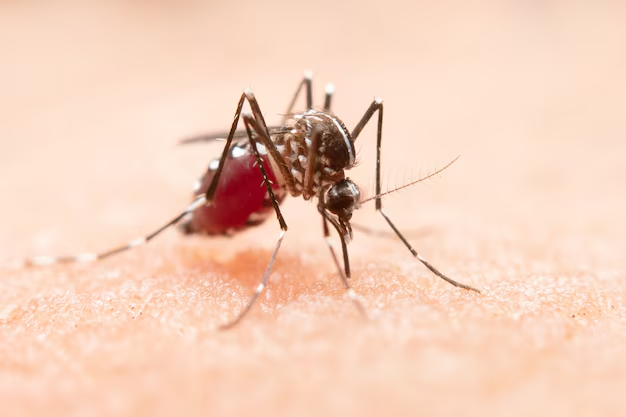
Malaria manifests with a range of symptoms including fever, chills, headache, muscle aches, and fatigue. In severe cases, it can lead to complications like anemia, respiratory distress, and even death. The disease is not only a major health concern but also a socio-economic burden due to its impact on productivity and healthcare systems.
2. Ayurveda: An Overview
Ayurveda, meaning “the science of life,” is a holistic healing system that originated in ancient India over 3,000 years ago. It focuses on achieving balance between the body, mind, and spirit, based on the understanding that health is a state of equilibrium between the body’s vital energies (doshas), tissues (dhatus), and waste products (malas).
Ayurvedic medicine uses a combination of herbs, diet, lifestyle changes, and therapies to restore balance and health. Its approach to disease is holistic, addressing the root cause rather than just the symptoms.
3. The Ayurvedic Perspective on Malaria
In Ayurveda, malaria is understood through the lens of dosha imbalance. The primary doshas—Vata, Pitta, and Kapha—are believed to be disrupted during malaria.
The Ayurvedic approach to malaria includes:
- Balancing Pitta Dosha: Since malaria is seen as a condition related to increased heat and toxicity in the body, balancing the Pitta dosha is crucial.
- Detoxification: Ayurveda emphasizes detoxification to eliminate accumulated toxins (ama) from the body, which can contribute to disease.
- Strengthening Immunity: Ayurveda also focuses on enhancing the body’s natural defenses to fight off infections.
4. Ayurvedic Treatments for Malaria
a. Herbal Remedies
- Neem (Azadirachta indica): Known for its antimalarial properties, neem is often used in Ayurveda to combat fever and detoxify the body. Its bitter taste and cooling effect help balance the Pitta dosha.
- Tulsi (Ocimum sanctum): Tulsi, or holy basil, is revered for its broad-spectrum antimicrobial properties. It helps boost immunity, reduce fever, and detoxify the system.
- Ginger (Zingiber officinale): Ginger is commonly used to alleviate nausea and improve digestion. It also has anti-inflammatory properties, which can help reduce symptoms associated with malaria.
- Turmeric (Curcuma longa): Turmeric’s active compound, curcumin, is known for its anti-inflammatory and antimicrobial effects. It can help reduce fever and inflammation.
b. Dietary Recommendations
- Cooling Foods: To balance the Pitta dosha, Ayurveda recommends consuming cooling and hydrating foods. These include cucumbers, melons, and coconut water.
- Light, Easily Digestible Foods: During illness, it is advised to eat light and easily digestible foods like khichdi (a rice and lentil dish) and soups, which are soothing and help the body recover.
- Avoiding Pitta Aggravators: Spicy, oily, and heavy foods can aggravate Pitta.
c. Lifestyle and Therapeutic Measures
- Rest and Relaxation: Adequate rest is crucial for recovery from malaria. Ayurveda emphasizes the importance of a calm and stress-free environment to support the body’s healing processes.
- Hydration: Maintaining proper hydration is essential, especially to combat fever and prevent dehydration. Herbal teas and infused water can be beneficial.
- Panchakarma: This Ayurvedic detoxification therapy involves five primary procedures that aim to cleanse the body of toxins. Specific Panchakarma treatments can help in balancing the doshas and improving overall health.
5. Integrating Ayurveda with Modern Medicine
While Ayurveda provides valuable insights and remedies for managing malaria, it is important to integrate these traditional approaches with modern medical treatments. Antimalarial drugs such as artemisinin-based combination therapies (ACTs) are the cornerstone of malaria treatment and are effective in managing the acute phase of the disease.
Ayurveda can complement modern treatments by:
- Enhancing Recovery: Ayurvedic herbs and dietary recommendations can support the recovery process and strengthen the immune system.
- Preventing Recurrence: Ayurvedic practices can help in maintaining overall health and preventing the recurrence of malaria.
- Supporting Overall Well-being: Ayurveda’s holistic approach can improve overall well-being and quality of life, which is crucial for patients recovering from malaria.
6. Challenges and Considerations
Despite its benefits, the use of Ayurveda in managing malaria has challenges:
- Scientific Validation: Many Ayurvedic treatments lack rigorous scientific validation. While traditional knowledge is valuable, more research is needed to confirm the efficacy and safety of Ayurvedic remedies for malaria.
- Integration with Conventional Medicine: Balancing Ayurvedic practices with modern medical treatments requires careful coordination to avoid interactions and ensure effective management.
- Availability and Accessibility: Ayurvedic treatments and herbs may not be readily available in all regions, which can limit their use.
7. Conclusion
Malaria remains a significant global health challenge, and integrating traditional and modern approaches can offer a comprehensive strategy for management and prevention. Ayurveda, with its focus on balancing doshas, detoxification, and enhancing immunity, provides valuable insights and complementary treatments for malaria.
While Ayurvedic remedies can support and enhance recovery, they should not replace conventional antimalarial treatments. Collaboration between traditional and modern medical systems can lead to more effective and holistic care for individuals affected by malaria.
Incorporating Ayurvedic practices alongside modern treatments can offer a more nuanced and supportive approach to managing malaria, ultimately contributing to better health outcomes and improved quality of life for those affected by this challenging disease.


About author

Related posts

Atrial Fibrillation and Ayurveda: A Natural Path to Heart Health is a common heart condition that... Continue reading

Ayurvedic Treatment for Candida Infection: A Comprehensive Guide are a common and often troublesome health issue,... Continue reading

Ayurvedic Approach to Encephalitis: A Holistic Healing Path is a serious medical condition characterized by inflammation... Continue reading

Ayurvedic Approach to Managing Fatty Liver Disease (NAFLD), particularly Non-Alcoholic Fatty Liver Disease (NAFLD), has emerged... Continue reading

Hematuria and Ayurvedic Treatment: A Comprehensive Guide to Understanding and Managing Blood in Urine the presence... Continue reading
Add comment