
No products in the cart.
Return To ShopUnderstanding Sleep Apnea and Ayurvedic Approaches to Management
Understanding Sleep Apnea and Ayurvedic Approaches to Management is a prevalent sleep disorder characterized by repeated interruptions in breathing during sleep. These interruptions, or apneas, can last for a few seconds to minutes and often lead to fragmented sleep and reduced oxygen levels in the blood. The condition is commonly categorized into obstructive sleep apnea (OSA), central sleep apnea, and complex sleep apnea syndrome. While conventional medicine offers various treatments such as continuous positive airway pressure (CPAP) therapy, lifestyle changes, and surgery, Ayurvedic medicine presents a holistic approach to managing this condition.
What is Sleep Apnea?
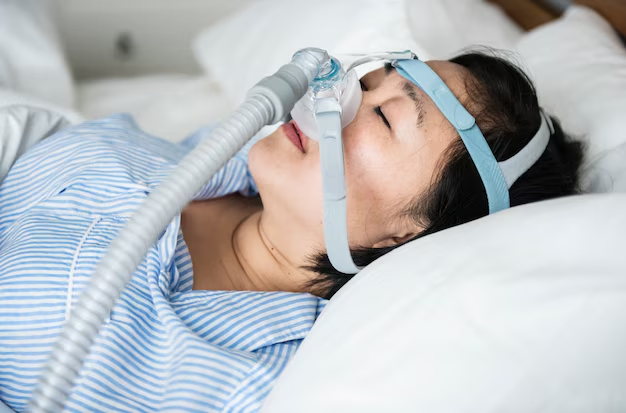
Sleep apnea disrupts the natural sleep cycle and can significantly impact overall health and quality of life. Symptoms of sleep apnea include loud snoring, excessive daytime sleepiness, difficulty focusing, irritability, and even episodes of choking or gasping during sleep. The disorder can lead to serious complications if left untreated, including cardiovascular issues, high blood pressure, diabetes, and impaired cognitive function.
Ayurvedic Perspective on Sleep Apnea
Ayurveda, the ancient Indian system of medicine, approaches health from a holistic perspective, emphasizing balance among the body’s three doshas—Vata, Pitta, and Kapha. Sleep apnea is seen through the lens of these doshas and the balance (or imbalance) within them. In Ayurveda, sleep disturbances are often attributed to an imbalance in the body’s doshas, particularly Kapha and Vata.
Doshas and Sleep Apnea
- Kapha Dosha: Kapha governs structure and lubrication in the body. When Kapha is out of balance, it can lead to excessive mucus production and a tendency for the respiratory passages to become obstructed, which can contribute to obstructive sleep apnea.
- Vata Dosha: Vata is associated with movement and respiration. An imbalance in Vata can lead to irregular breathing patterns and disturbances in the nervous system, which may exacerbate sleep apnea symptoms.
- Pitta Dosha: Although less directly related, Pitta imbalances can contribute to inflammation and heat in the respiratory tract, potentially influencing sleep quality.
Ayurvedic Approach to Managing Sleep Apnea
Ayurveda aims to restore balance to the doshas through a combination of dietary changes, lifestyle modifications, herbal remedies, and therapeutic practices. Here’s a comprehensive guide to managing sleep apnea through Ayurvedic principles:
1. Dietary Modifications
a. Reduce Kapha-Aggravating Foods:
- Avoid Heavy and Oily Foods: Foods that are heavy, greasy, or overly rich can increase Kapha and contribute to mucus buildup. Instead, opt for lighter, easier-to-digest foods.
- Incorporate Warming Spices: Spices like ginger, black pepper, and turmeric can help reduce mucus and support digestion. They have anti-inflammatory properties that may aid in alleviating symptoms.
b. Emphasize Pitta-Pacifying Foods:
- Include Cooling Foods: Foods that balance Pitta include cucumbers, melons, and leafy greens. These can help reduce inflammation in the respiratory tract.
- Hydrate Well: Drink plenty of water and herbal teas to stay hydrated and support respiratory health.
2. Lifestyle Adjustments
a. Establish a Regular Sleep Routine:
- Maintain Consistent Sleep Patterns: Go to bed and wake up at the same time each day to regulate your sleep cycle and help manage sleep apnea symptoms.
b. Create a Conducive Sleep Environment:
- Optimize Bedroom Conditions: Ensure your bedroom is cool, quiet, and free from allergens. Use a humidifier if needed to keep the air moist and reduce throat irritation.
c. Practice Yoga and Breathing Exercises:
- Incorporate Pranayama: Breathing exercises such as Anulom Vilom (alternate nostril breathing) can help regulate breath and improve overall respiratory function.
- Practice Yoga Asanas: Postures like Bhujangasana (Cobra Pose) and Setu Bandhasana (Bridge Pose) can strengthen the respiratory muscles and improve airflow.
3. Herbal Remedies
a. Ashwagandha (Withania somnifera):
- Benefits: Known for its adaptogenic properties, Ashwagandha can help reduce stress and anxiety, which may indirectly improve sleep quality.
b. Brahmi (Bacopa monnieri):
- Benefits: Brahmi is renowned for its calming effects on the mind, which can help manage anxiety and promote restful sleep.
c. Triphala:
- Benefits: This traditional Ayurvedic formulation aids digestion and can help reduce congestion, contributing to better breathing during sleep.
d. Licorice Root (Glycyrrhiza glabra):
- Benefits: Known for its soothing properties, licorice root can help reduce inflammation and mucus production in the respiratory tract.
4. Panchakarma Therapies
Panchakarma is a set of detoxifying treatments in Ayurveda that can help restore balance and improve overall health. For individuals with sleep apnea, specific therapies might be beneficial:
a. Nasya Therapy:
- Description: This involves administering medicated oils through the nasal passages to clear nasal congestion and improve airflow.
b. Abhyanga (Oil Massage):
- Description: A full-body oil massage can help balance the doshas, reduce stress, and promote relaxation.
c. Shirodhara:
- Description: This therapy involves pouring warm oil over the forehead in a continuous stream, which can help calm the mind and improve sleep quality.
Integrating Ayurveda with Conventional Treatments
While Ayurveda offers valuable insights and complementary strategies for managing sleep apnea, it is essential to integrate these approaches with conventional medical treatments. Consult with both an Ayurvedic practitioner and a healthcare provider to develop a comprehensive treatment plan tailored to your needs. Combining lifestyle and dietary changes with prescribed therapies can provide a balanced approach to managing sleep apnea.
Conclusion
Understanding Sleep Apnea and Ayurvedic Approaches to Management is a serious condition that can significantly affect your health and quality of life. Ayurveda offers a holistic approach to managing sleep apnea by focusing on restoring balance within the body’s doshas. Through dietary adjustments, lifestyle modifications, herbal remedies, and Panchakarma therapies, Ayurveda can help alleviate symptoms and improve overall well-being. However, it is crucial to work with healthcare professionals to ensure a comprehensive and effective treatment plan. Embracing both Ayurvedic and conventional strategies can pave the way for better sleep and improved health.
Incorporating these Ayurvedic principles into your daily routine can offer valuable support in managing sleep apnea, helping you achieve a more restful and balanced life.


About author

Related posts

Atrial Fibrillation and Ayurveda: A Natural Path to Heart Health is a common heart condition that... Continue reading

Ayurvedic Treatment for Candida Infection: A Comprehensive Guide are a common and often troublesome health issue,... Continue reading

Ayurvedic Approach to Encephalitis: A Holistic Healing Path is a serious medical condition characterized by inflammation... Continue reading

Ayurvedic Approach to Managing Fatty Liver Disease (NAFLD), particularly Non-Alcoholic Fatty Liver Disease (NAFLD), has emerged... Continue reading

Hematuria and Ayurvedic Treatment: A Comprehensive Guide to Understanding and Managing Blood in Urine the presence... Continue reading
Add comment