No products in the cart.
Return To ShopGinkgo Biloba and Ayurveda: Bridging Ancient Wisdom and Modern Science
Ginkgo Biloba and Ayurveda: Bridging Ancient Wisdom and Modern Science of herbal medicine, Ginkgo biloba stands out as a time-tested remedy with a rich history spanning millions of years. Originating from the ancient ginkgo tree, its use in modern herbal practices has been well-documented, particularly for cognitive and circulatory benefits. Although Ginkgo biloba is not a traditional Ayurvedic herb, its attributes align intriguingly with many Ayurvedic principles. This blog explores how Ginkgo biloba integrates into Ayurveda, its potential benefits, and how it harmonizes with traditional Ayurvedic practices to support holistic well-being.
The Legacy of Ginkgo Biloba
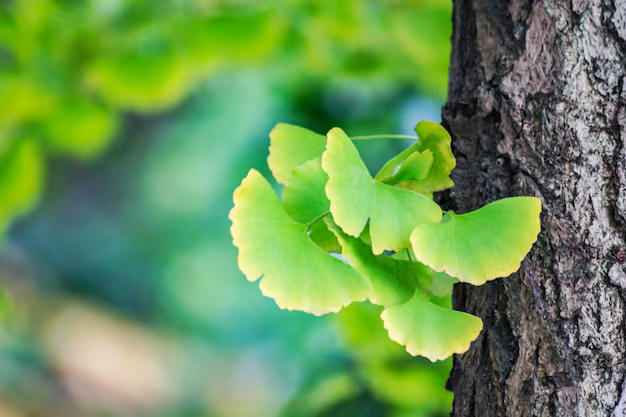
Ginkgo biloba, commonly referred to as the maidenhair tree, is an ancient plant species with a history stretching back over 200 million years. It is distinguished by its fan-shaped leaves and has survived through millennia due to its resilience and adaptability. The therapeutic properties of Ginkgo biloba are attributed to its unique phytochemical profile, primarily composed of flavonoids and terpenoids. These compounds are believed to contribute to its health benefits, including cognitive enhancement, improved circulation, and reduced symptoms of anxiety.
Ayurveda: The Foundations of Holistic Health
Ayurveda, which translates to “the science of life,” is a traditional system of medicine from India that emphasizes balance and harmony between the mind, body, and spirit. These doshas represent different combinations of the five elements (earth, water, fire, air, and space) and govern various physiological and psychological functions.
- Vata: Represents the elements of air and space and governs movement, creativity, and mental activity.
- Pitta: Associated with fire and water, Pitta governs digestion, metabolism, and transformation.
- Kapha: Comprised of earth and water, Kapha controls structure, stability, and lubrication.
Ayurvedic medicine aims to restore balance among these doshas through diet, lifestyle changes, and herbal remedies. This holistic approach seeks to harmonize the body’s functions and promote overall well-being.
Ginkgo Biloba in the Context of Ayurveda
Although Ginkgo biloba is not a traditional Ayurvedic herb, its properties resonate with several Ayurvedic concepts.
Cognitive Function and Mental Clarity
In Ayurveda, mental clarity and cognitive function are related to the Sattva quality of the mind and the balance of the Vata dosha. Sattva represents purity, clarity, and harmony, while Vata governs mental activities and cognitive processes.
Ginkgo biloba is well-known for its potential cognitive benefits, such as improved memory, enhanced mental alertness, and increased focus. These benefits align with Ayurvedic goals of supporting Sattva and balancing Vata. By promoting mental clarity, Ginkgo biloba can complement Ayurvedic practices aimed at enhancing cognitive function and emotional stability.
Circulatory Health and Vitality
Proper circulation is crucial for maintaining overall health in Ayurveda. The concept of Rakta Dhatu (the blood tissue) is central to this process, as it ensures the effective transportation of nutrients and removal of waste products from the body.
Ginkgo biloba is renowned for its potential to improve blood circulation. It achieves this by dilating blood vessels and reducing blood viscosity. This effect aligns with Ayurvedic principles of supporting Rakta Dhatu and ensuring optimal nutrient delivery to tissues. Enhanced circulation can contribute to increased vitality and overall health, consistent with Ayurvedic goals of maintaining balance and promoting well-being.
Managing Stress and Anxiety
In Ayurveda, stress and anxiety are considered to disturb the balance of the doshas, particularly Vata. An imbalance in Vata can lead to restlessness, anxiety, and other related symptoms.
Ginkgo biloba has been studied for its potential to reduce anxiety and improve mood. By supporting mental well-being and reducing stress, Ginkgo biloba can help maintain the balance of the Vata dosha. This aligns with Ayurvedic approaches to managing stress and promoting emotional stability. Incorporating Ginkgo biloba may help address anxiety and support overall mental health in a way that complements Ayurvedic principles.
Synergistic Use with Ayurvedic Herbs
Ayurvedic medicine often involves combining herbs to enhance their effects and ensure a balanced approach to health. Here are some examples:
- Brahmi (Bacopa monnieri): Brahmi is known for its cognitive-enhancing properties and is traditionally used to improve memory and mental clarity. When combined with Ginkgo biloba, it can provide a synergistic effect, supporting brain function and emotional well-being.
- Ashwagandha (Withania somnifera): An adaptogen used to reduce stress and support overall vitality, Ashwagandha can complement Ginkgo biloba’s effects on cognitive function and stress management.
- Turmeric (Curcuma longa): With its anti-inflammatory properties, Turmeric can support overall health and work in conjunction with Ginkgo biloba’s circulatory benefits to enhance overall well-being.
Practical Considerations for Using Ginkgo Biloba in Ayurveda
When incorporating Ginkgo biloba into an Ayurvedic regimen, it’s important to consider dosage, safety, and individual needs. Here are some practical guidelines:
- Dosage: Ginkgo biloba supplements are available in various forms, including capsules, tablets, and extracts. A typical dosage ranges from 120 to 240 mg per day, divided into two or three doses. It’s essential to follow the recommended dosage and consult with a healthcare professional or Ayurvedic practitioner for personalized advice.
- Safety: Ginkgo biloba is generally well-tolerated, but it can interact with certain medications, such as anticoagulants. It’s crucial to consult with a healthcare professional before starting Ginkgo biloba, especially if you are taking other medications or have underlying health conditions.
- Integration: To integrate Ginkgo biloba effectively into an Ayurvedic regimen, consider combining it with other Ayurvedic herbs and practices. This approach can enhance its benefits and ensure a balanced approach to health.
Conclusion
Ginkgo Biloba and Ayurveda: Bridging Ancient Wisdom and Modern Science, while not traditionally part of Ayurvedic medicine, offers a range of benefits that align with Ayurvedic principles. Its potential to enhance cognitive function, improve circulation, and support mental well-being makes it a valuable addition to a holistic health regimen. By bridging the gap between modern herbal remedies and traditional Ayurvedic practices, individuals can explore new avenues for achieving optimal health and well-being.
Integrating Ginkgo biloba with traditional Ayurvedic herbs and practices can provide a comprehensive approach to health that reflects the balance and harmony that Ayurveda seeks to achieve.


About author

Related posts

Atrial Fibrillation and Ayurveda: A Natural Path to Heart Health is a common heart condition that... Continue reading
Ayurvedic Treatment for Candida Infection: A Comprehensive Guide are a common and often troublesome health issue,... Continue reading

Ayurvedic Approach to Encephalitis: A Holistic Healing Path is a serious medical condition characterized by inflammation... Continue reading

Ayurvedic Approach to Managing Fatty Liver Disease (NAFLD), particularly Non-Alcoholic Fatty Liver Disease (NAFLD), has emerged... Continue reading

Hematuria and Ayurvedic Treatment: A Comprehensive Guide to Understanding and Managing Blood in Urine the presence... Continue reading
Add comment