
No products in the cart.
Return To ShopUnderstanding Spina Bifida and Ayurvedic Approaches
Understanding Spina Bifida and Ayurvedic Approaches is a congenital condition where the spine and surrounding structures do not form properly. It affects thousands of individuals worldwide, ranging from mild forms that may require minimal intervention to severe cases that can cause significant disabilities. While modern medicine provides various treatments for managing Spina Bifida, many people seek complementary and alternative therapies to enhance their quality of life. One such approach is Ayurveda, the ancient system of medicine from India. This blog explores how Ayurvedic principles and treatments may offer supportive care for individuals with Spina Bifida.
What is Spina Bifida?
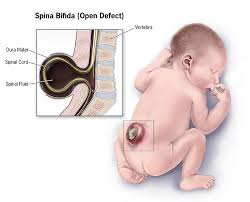
Spina Bifida is a neural tube defect that occurs early in fetal development. The neural tube, which eventually forms the spine and brain, fails to close completely, leading to varying degrees of spinal cord and nerve damage. The severity of Spina Bifida can range from mild (Spina Bifida Occulta) to severe (Myelomeningocele), where the spinal cord and nerves are exposed and protruding through the spinal opening.
Conventional Management of Spina Bifida
Modern medical management of Spina Bifida typically involves a multidisciplinary approach:
- Surgical Interventions: Surgery is often required shortly after birth to repair the spinal defect and prevent further damage. In some cases, in utero surgery may be performed to correct the defect before birth.
- Rehabilitation: Physical therapy and occupational therapy play crucial roles in improving mobility, strength, and daily functioning.
- Medications: Medications may be prescribed to manage symptoms like pain, bladder dysfunction, and muscle spasticity.
- Assistive Devices: Wheelchairs, braces, and other devices can help with mobility and daily activities.
Ayurveda: An Overview
Ayurveda, which translates to “the science of life,” is a holistic healing system that originated in India more than 5,000 years ago. It emphasizes balance within the body, mind, and spirit and considers each individual’s unique constitution (Prakriti) and the current state of their health (Vikriti).
Key concepts in Ayurveda include:
- Doshas: These are the three fundamental energies (Vata, Pitta, and Kapha) that govern physiological and psychological processes. Each person has a unique balance of these doshas, and disease is thought to arise when this balance is disrupted.
- Dhatus: The seven tissues (Rasa, Rakta, Mamsa, Meda, Asthi, Majja, and Shukra) that form the body’s structures and functions.
- Srotas: The channels through which bodily fluids and energies flow.
- Agni: The digestive fire that transforms food into energy and maintains metabolic processes.
Ayurvedic Approaches to Managing Spina Bifida
While Ayurveda does not claim to cure congenital conditions, it offers supportive therapies aimed at improving overall well-being and managing symptoms. The approach is highly individualized, focusing on restoring balance and enhancing quality of life.
1. Personalized Diet and Nutrition
Ayurveda emphasizes the importance of diet in maintaining health. For individuals with Spina Bifida, a diet tailored to their specific dosha imbalances and overall health condition can be beneficial. Nutrient-rich foods that support tissue regeneration and overall vitality include:
- Proteins and Healthy Fats: Foods like legumes, nuts, seeds, and ghee can help strengthen tissues and support overall health.
- Digestive Health: Foods that improve Agni (digestive fire) such as ginger, turmeric, and cumin can aid in digestion and absorption of nutrients.
- Anti-Inflammatory Foods: Since inflammation can exacerbate symptoms, incorporating anti-inflammatory foods like turmeric, garlic, and leafy greens can be beneficial.
2. Herbal Remedies
Ayurvedic herbs can be used to support various bodily functions and alleviate symptoms associated with Spina Bifida:
- Ashwagandha (Withania somnifera): Known for its adaptogenic properties, Ashwagandha can help manage stress and support overall vitality.
- Brahmi (Bacopa monnieri): This herb is used to support cognitive function and may help with neurological symptoms.
- Turmeric (Curcuma longa): Its anti-inflammatory properties can help manage pain and inflammation.
- Shatavari (Asparagus racemosus): Known for its regenerative properties, it may support overall health and recovery.
3. Yoga and Physical Therapy
Ayurvedic practices include physical activities designed to enhance flexibility, strength, and overall well-being. Yoga can be tailored to individual needs and capabilities, focusing on gentle poses that promote circulation, flexibility, and relaxation.
- Gentle Asanas: Poses that improve core strength and stability can be adapted for individuals with Spina Bifida.
- Pranayama (Breathing Exercises): Techniques that enhance lung function and overall energy levels.
4. Panchakarma Therapy
Panchakarma is a comprehensive detoxification and rejuvenation therapy in Ayurveda. While more intensive and generally used for various conditions, it can be adapted for individuals with Spina Bifida to promote detoxification and overall balance.
- Abhyanga (Oil Massage): Regular massage with herbal oils can help improve circulation, reduce spasticity, and support muscle health.
- Shirodhara: A treatment involving a continuous stream of warm oil on the forehead, which can promote relaxation and mental clarity.
5. Mind-Body Techniques
Ayurveda acknowledges the interconnectedness of the mind and body. Techniques to manage stress and promote mental well-being include:
- Meditation: Regular practice can help manage stress, improve mental clarity, and support overall health.
- Visualization and Affirmations: Techniques that promote positive thinking and mental resilience.
Integrating Ayurveda with Conventional Care
For individuals with Spina Bifida, integrating Ayurvedic practices with conventional medical care can provide a holistic approach to managing the condition. It is essential to work closely with both Ayurvedic practitioners and healthcare providers to ensure that all treatments are compatible and to avoid any potential interactions or complications.
Conclusion
Spina Bifida presents a range of challenges, and while conventional medical treatments play a crucial role in managing the condition, Ayurveda offers complementary approaches that can support overall well-being. By focusing on personalized nutrition, herbal remedies, physical therapy, and mind-body techniques, individuals with Spina Bifida may find additional ways to enhance their quality of life. Always consult with healthcare professionals before beginning any new treatment regimen to ensure it aligns with your overall care plan.
Ayurveda’s holistic approach, combined with modern medical advancements, holds the potential to provide a comprehensive and balanced path to managing Spina Bifida and improving the lives of those affected.


About author

Related posts

Atrial Fibrillation and Ayurveda: A Natural Path to Heart Health is a common heart condition that... Continue reading
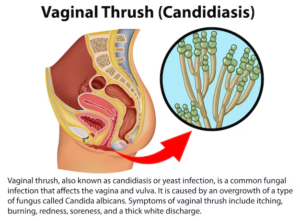
Ayurvedic Treatment for Candida Infection: A Comprehensive Guide are a common and often troublesome health issue,... Continue reading
Ayurvedic Approach to Encephalitis: A Holistic Healing Path is a serious medical condition characterized by inflammation... Continue reading
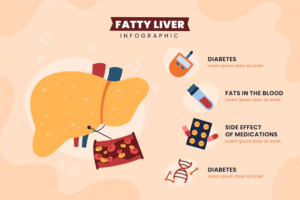
Ayurvedic Approach to Managing Fatty Liver Disease (NAFLD), particularly Non-Alcoholic Fatty Liver Disease (NAFLD), has emerged... Continue reading
Hematuria and Ayurvedic Treatment: A Comprehensive Guide to Understanding and Managing Blood in Urine the presence... Continue reading
Add comment