No products in the cart.
Return To ShopUnderstanding Bell’s Palsy and Ayurveda: A Comprehensive Guide to Natural Healing
Understanding Bell’s Palsy and Ayurveda: A Comprehensive Guide to Natural Healing is a condition that causes sudden, temporary weakness or paralysis of the facial muscles, usually on one side of the face. This condition, while often alarming, is generally not life-threatening and tends to resolve within a few weeks to months. However, the quest for a holistic approach to treatment has led many to explore traditional systems of medicine, such as Ayurveda. This blog delves into Bell’s Palsy from an Ayurvedic perspective and offers insights into natural remedies and lifestyle changes that may aid in recovery.
What is Bell’s Palsy?
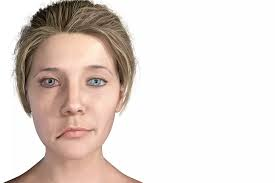
Bell’s Palsy is a form of facial paralysis resulting from dysfunction of the facial nerve (cranial nerve VII). It can cause drooping on one side of the face, difficulty closing the eye, and challenges with facial expressions. The exact cause is not fully understood, but it is often associated with viral infections, particularly those that cause cold sores or the flu.
Ayurvedic Understanding of Bell’s Palsy
Ayurveda, the ancient system of medicine from India, offers a unique perspective on health and disease. In Ayurvedic terms, Bell’s Palsy can be related to imbalances in the body’s doshas (Vata, Pitta, and Kapha), particularly Vata dosha.
- Vata Dosha Imbalance: Vata is associated with movement and communication in the body. It governs the nervous system, including the facial nerves. An imbalance in Vata can lead to symptoms of numbness, weakness, and irregular nerve function, which are characteristic of Bell’s Palsy.
- Stress and Emotional Factors: Ayurveda also considers emotional stress and trauma as potential contributors to Vata imbalances. Stress can exacerbate or even trigger episodes of Bell’s Palsy.
Ayurvedic Treatments for Bell’s Palsy
Ayurveda emphasizes a holistic approach to healing, focusing on balancing the doshas, enhancing overall health, and addressing underlying causes. Here are some Ayurvedic remedies and practices that may aid in the recovery from Bell’s Palsy:
1. Dietary Recommendations
- Warm and Moist Foods: To counteract Vata imbalances, Ayurveda recommends consuming warm, moist foods that are easy to digest. Foods such as soups, stews, and cooked vegetables are beneficial.
- Incorporate Vata-Pacifying Spices: Spices like ginger, cinnamon, and turmeric help balance Vata. Ginger, in particular, has anti-inflammatory properties that may assist in reducing nerve inflammation.
- Avoid Cold and Dry Foods: Cold and dry foods can aggravate Vata. It’s advisable to avoid raw vegetables, salads, and cold drinks.
2. Herbal Remedies
- Ashwagandha (Withania somnifera): Known for its adaptogenic properties, Ashwagandha can help reduce stress and restore nerve function.
- Brahmi (Bacopa monnieri): This herb is believed to support cognitive function and nerve health, making it useful in treating neurological conditions.
- Turmeric (Curcuma longa): Turmeric has anti-inflammatory and antioxidant properties that can aid in reducing inflammation around the facial nerve.
3. Oil Treatments
- Abhyanga (Ayurvedic Oil Massage): Regular oil massage with warm sesame oil or Brahmi oil can help balance Vata dosha and improve blood circulation to the facial muscles. This treatment can also promote relaxation and reduce stress.
- Nasya (Nasal Administration of Oils): Nasya involves the application of medicated oils through the nasal passages. This treatment helps lubricate the sinuses and can be beneficial for facial nerve health.
4. Yoga and Physical Therapy
- Facial Exercises: Gentle facial exercises can help restore muscle tone and improve facial movements. Exercises like raising the eyebrows, closing and opening the eyes, and smiling can be beneficial.
- Pranayama (Breath Control): Pranayama techniques, such as Anulom Vilom (alternate nostril breathing), can help balance Vata dosha and reduce stress.
5. Lifestyle Changes
- Stress Management: Incorporating relaxation techniques such as meditation, yoga, and deep breathing exercises can help manage stress and support overall healing.
- Adequate Rest: Ensuring sufficient rest and sleep is crucial for the body’s recovery and balancing the doshas.
Integrating Ayurveda with Conventional Medicine
While Ayurvedic treatments can be beneficial, it is essential to integrate them with conventional medical approaches. Bell’s Palsy often resolves on its own, but conventional treatments like corticosteroids can help reduce inflammation and speed up recovery. Consulting with both an Ayurvedic practitioner and a medical doctor ensures a comprehensive approach to treatment.
Conclusion
Understanding Bell’s Palsy and Ayurveda: A Comprehensive Guide to Natural Healing, though challenging, can be managed effectively with a combination of conventional medicine and Ayurvedic practices. Ayurveda offers a holistic approach by addressing the underlying dosha imbalances, providing natural remedies, and emphasizing lifestyle changes to support overall health. By integrating Ayurvedic principles with conventional treatments, individuals with Bell’s Palsy can enhance their recovery and promote long-term well-being.
Whether you are exploring Ayurveda for the first time or seeking additional support for Bell’s Palsy, it is crucial to work with qualified healthcare practitioners to develop a personalized treatment plan. With patience, care, and a balanced approach, it is possible to navigate the challenges of Bell’s Palsy and move towards a healthier, more balanced life.
References and Further Reading
- For additional information on Ayurveda and its treatments, consider exploring texts like “The Charaka Samhita” and “The Sushruta Samhita.”
- Consulting with a licensed Ayurvedic practitioner can provide personalized guidance and treatment options tailored to individual needs.
This comprehensive guide serves as an introduction to understanding Bell’s Palsy through an Ayurvedic lens and offers practical advice for incorporating Ayurvedic practices into your recovery journey.
About author

Related posts
Atrial Fibrillation and Ayurveda: A Natural Path to Heart Health is a common heart condition that... Continue reading
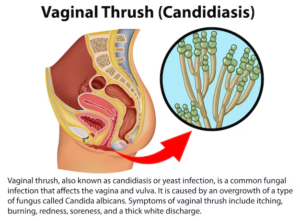
Ayurvedic Treatment for Candida Infection: A Comprehensive Guide are a common and often troublesome health issue,... Continue reading
Ayurvedic Approach to Encephalitis: A Holistic Healing Path is a serious medical condition characterized by inflammation... Continue reading
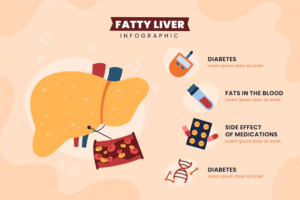
Ayurvedic Approach to Managing Fatty Liver Disease (NAFLD), particularly Non-Alcoholic Fatty Liver Disease (NAFLD), has emerged... Continue reading
Hematuria and Ayurvedic Treatment: A Comprehensive Guide to Understanding and Managing Blood in Urine the presence... Continue reading
Add comment