
No products in the cart.
Return To ShopUnderstanding Uveitis and Ayurveda: A Holistic Approach to Eye Health
Introduction
Understanding Uveitis and Ayurveda: A Holistic Approach to Eye Health an inflammation of the uvea (the middle layer of the eye), is a condition that can affect people of all ages. It can lead to symptoms such as redness, pain, blurred vision, and even vision loss if not managed properly. Conventional treatments often involve corticosteroids and immunosuppressive drugs, but many are exploring complementary approaches, including Ayurveda. This ancient Indian system of medicine offers a holistic perspective on health, which might provide additional benefits for managing uveitis.
In this blog, we will explore what uveitis is, how Ayurveda approaches this condition, and some Ayurvedic remedies that might support conventional treatments.
What is Uveitis?
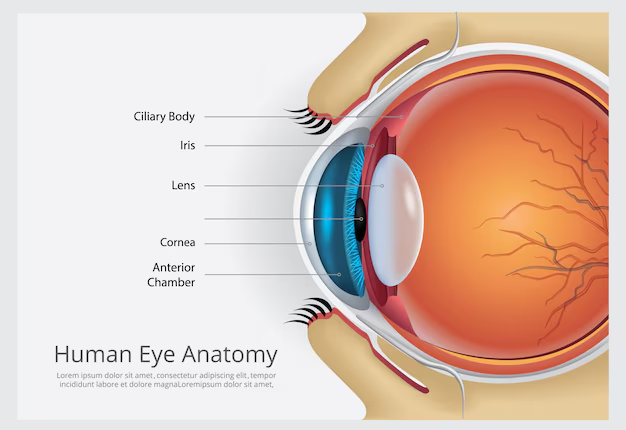
The uvea is the middle layer of the eye and consists of three parts: the iris (the colored part of the eye), the ciliary body (which helps focus the lens), and the choroid (a layer of blood vessels). When inflammation occurs in any part of the uvea, it is termed uveitis.
Uveitis can be classified into several types based on the affected area:
- Iritis: Inflammation of the iris.
- Iridocyclitis: Inflammation of both the iris and the ciliary body.
- Choroiditis: Inflammation of the choroid.
- Panuveitis: Inflammation of all parts of the uvea.
Common causes include autoimmune diseases, infections, and trauma. The symptoms can range from mild discomfort to severe pain and vision problems. Early diagnosis and treatment are crucial to prevent complications.
Ayurveda: A Holistic Approach to Health
Ayurveda, a traditional Indian system of medicine, focuses on balancing the body’s energies (doshas) to maintain health and prevent disease. According to Ayurveda, health is the result of a balanced interaction between three primary doshas: Vata (air and space), Pitta (fire and water), and Kapha (earth and water).
When these doshas are out of balance, it can lead to disease. Ayurveda emphasizes a personalized approach to treatment, considering an individual’s unique constitution, lifestyle, and environment. It uses a combination of diet, herbal remedies, detoxification, and lifestyle modifications to restore balance and promote well-being.
Ayurveda’s Perspective on Uveitis
In Ayurveda, eye health is considered closely linked to overall bodily health. Uveitis is viewed as an imbalance in the Pitta dosha, which is associated with heat, inflammation, and metabolic processes. This imbalance can lead to inflammation and other symptoms associated with uveitis.
Ayurvedic Treatment for Uveitis
- Dietary Adjustments According to Ayurveda, certain foods can aggravate the Pitta dosha, leading to inflammation and discomfort. A Pitta-pacifying diet emphasizes cooling, anti-inflammatory foods. Key dietary recommendations include:
- Cooling Foods: Include foods that help cool the body and reduce inflammation, such as cucumbers, melons, and leafy greens.
- Anti-inflammatory Spices: Turmeric and coriander are known for their anti-inflammatory properties and can help balance the Pitta dosha.
- Avoid Pitta-Aggravating Foods: Limit consumption of spicy, acidic, and fried foods, which can exacerbate inflammation.
- Herbal Remedies Ayurveda uses a variety of herbs to support eye health and reduce inflammation:
- Turmeric (Curcuma longa): Contains curcumin, which has potent anti-inflammatory properties. It can be taken as a supplement or added to meals.
- Guggulu (Commiphora wightii): Known for its anti-inflammatory and detoxifying properties, Guggulu can help reduce inflammation.
- Bilberry (Vaccinium myrtillus): Promotes eye health and improves blood circulation to the eyes. It is crucial to consult an Ayurvedic practitioner before starting any herbal regimen to ensure that the herbs are appropriate for your specific condition.
- Panchakarma (Detoxification Therapy) Panchakarma is a set of detoxification procedures aimed at eliminating toxins from the body and restoring balance:
- Virechana (Purgation): Helps eliminate excess Pitta from the body.
- Abhyanga (Oil Massage): Provides nourishment and relaxation, helping to balance the doshas and reduce stress. These therapies should be performed under the guidance of a trained Ayurvedic practitioner.
- Eye Exercises and Yoga Regular eye exercises and yoga can help maintain overall eye health and reduce stress, which might benefit those with uveitis:
- Trataka (Concentration Exercise): Involves gazing steadily at a flame or an object to improve focus and strengthen the eyes.
- Palming: A technique where you gently cup your hands over your closed eyes to relax them. Yoga practices that promote relaxation and balance can also be beneficial. Poses that improve circulation and reduce stress may support overall well-being.
- Lifestyle Modifications Lifestyle plays a significant role in managing uveitis:
- Adequate Rest: Ensure sufficient rest to support the healing process and reduce stress.
- Stress Management: Practices such as meditation and mindfulness can help manage stress, which may exacerbate inflammation.
Integrating Ayurveda with Conventional Treatment
Understanding Uveitis and Ayurveda: A Holistic Approach to Eye Health can complement conventional treatments for uveitis, they should not replace them. It’s essential to work with both your ophthalmologist and an Ayurvedic practitioner to create a comprehensive treatment plan. Ayurveda can offer supportive therapies that might enhance the effectiveness of conventional treatments and improve overall well-being.
Conclusion
Uveitis is a serious condition that requires prompt and effective management to prevent complications. Ayurveda provides a holistic approach to health that focuses on balancing the body’s energies and supporting overall well-being. By incorporating dietary adjustments, herbal remedies, detoxification therapies, and lifestyle modifications, Ayurveda can offer complementary support in managing uveitis. Always consult with healthcare professionals before starting any new treatment regimen to ensure it is safe and appropriate for your specific needs.
By combining the best of conventional and Ayurvedic medicine, you can work towards achieving better eye health and overall well-being.


About author

Related posts

Atrial Fibrillation and Ayurveda: A Natural Path to Heart Health is a common heart condition that... Continue reading
Ayurvedic Treatment for Candida Infection: A Comprehensive Guide are a common and often troublesome health issue,... Continue reading
Ayurvedic Approach to Encephalitis: A Holistic Healing Path is a serious medical condition characterized by inflammation... Continue reading
Ayurvedic Approach to Managing Fatty Liver Disease (NAFLD), particularly Non-Alcoholic Fatty Liver Disease (NAFLD), has emerged... Continue reading
Hematuria and Ayurvedic Treatment: A Comprehensive Guide to Understanding and Managing Blood in Urine the presence... Continue reading
Add comment