No products in the cart.
Return To ShopTurner Syndrome and Ayurveda: A Comprehensive Approach to Management
Turner Syndrome and Ayurveda: A Comprehensive Approach to Management is a genetic disorder affecting females, characterized by the partial or complete absence of one of the two X chromosomes. This condition leads to a variety of physical and developmental challenges, including short stature, ovarian insufficiency, heart defects, and various other health issues. Traditional medical treatments often focus on hormone replacement therapies, growth hormones, and managing associated conditions. However, an integrative approach that includes Ayurveda, an ancient system of medicine from India, can offer additional benefits.
Understanding Turner Syndrome
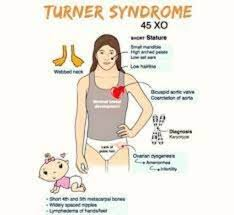
Turner Syndrome (TS) occurs in approximately 1 in 2,500 female births and can present with a range of symptoms and health problems. Common features include:
- Short Stature: Girls with TS are typically shorter than their peers.
- Ovarian Insufficiency: Many women with TS experience premature ovarian failure, leading to infertility.
- Heart Defects: Congenital heart defects are prevalent, including conditions such as coarctation of the aorta.
- Kidney Abnormalities: Some individuals have structural anomalies of the kidneys.
- Hearing Loss: This can result from both developmental issues and frequent ear infections.
- Learning Disabilities: While intelligence is usually normal, specific learning difficulties are common.
Ayurvedic Perspective on Turner Syndrome
Ayurveda is a holistic system of medicine that originated in India over 5,000 years ago. It emphasizes balance and harmony within the body and between the body and the environment. Turner Syndrome and Ayurveda: A Comprehensive Approach to Management Ayurveda categorizes health conditions according to three doshas: Vata, Pitta, and Kapha. These doshas represent different elements and energies in the body. According to Ayurvedic principles, Turner Syndrome could be approached through balancing these doshas, enhancing overall well-being, and supporting the body’s natural functions.
Dosha Imbalance and Turner Syndrome
In Ayurveda, Turner Syndrome may be considered a result of imbalances in one or more doshas. For instance:
- Vata Imbalance: Vata dosha governs movement and physiological processes like circulation and elimination. An imbalance could contribute to the growth and developmental issues seen in Turner Syndrome.
- Pitta Imbalance: Pitta dosha controls metabolism and transformation processes. It may influence hormonal imbalances and related symptoms.
- Kapha Imbalance: Kapha dosha is associated with structure and stability. Imbalances here could relate to the structural anomalies and developmental delays observed in Turner Syndrome.
Ayurvedic Management Strategies
1. Dietary Adjustments
Ayurvedic nutrition focuses on balancing doshas and supporting overall health. For individuals with Turner Syndrome, a balanced diet tailored to their dosha imbalances is crucial.
- Vata Balancing Foods: To address Vata imbalances, incorporate warm, moist, and oily foods such as soups, stews, and ghee (clarified butter). Foods like sweet potatoes, bananas, and avocados can help stabilize Vata.
- Pitta Balancing Foods: For managing Pitta imbalances, emphasize cooling and soothing foods such as cucumbers, melons, and leafy greens. Avoid spicy, acidic, or overly hot foods.
- Kapha Balancing Foods: To counter Kapha imbalances, focus on light, dry, and warming foods. Incorporate spices like ginger, black pepper, and turmeric to stimulate digestion and prevent excess accumulation.
2. Herbal Remedies
Ayurveda employs a wide range of herbs to support various bodily functions. For Turner Syndrome, specific herbs may help address hormonal imbalances, support growth, and improve overall health.
- Ashwagandha (Withania somnifera): Known as a rejuvenative herb, Ashwagandha can support adrenal function and improve overall vitality. It helps in balancing the Vata dosha and supporting hormonal health.
- Shatavari (Asparagus racemosus): This herb is often used to support female reproductive health and can help address ovarian insufficiency.
- Brahmi (Bacopa monnieri): Brahmi is used to enhance cognitive function and manage stress. It can be beneficial for addressing learning disabilities and emotional well-being.
- Turmeric (Curcuma longa): Turmeric has anti-inflammatory properties and can support cardiovascular health, which is crucial for managing heart defects associated with Turner Syndrome.
3. Lifestyle Recommendations
Lifestyle adjustments are a key component of Ayurvedic care. For individuals with Turner Syndrome, focusing on balanced daily routines and self-care practices can enhance overall health and well-being.
- Regular Exercise: Engage in gentle, regular exercise such as yoga or walking. This helps balance Vata and Kapha doshas, supports cardiovascular health, and improves overall energy levels.
- Stress Management: Practices such as meditation, deep breathing exercises, and mindfulness can help manage stress and balance Pitta dosha. These techniques are also beneficial for emotional well-being and cognitive function.
- Adequate Sleep: Ensure a regular sleep routine with 7-9 hours of quality sleep per night. Good sleep supports overall health and helps in balancing doshas.
4. Detoxification and Panchakarma
Panchakarma is a specialized Ayurvedic detoxification process that can help cleanse the body of accumulated toxins (ama) and restore balance. This process includes five therapeutic procedures: Vamana (therapeutic vomiting), Virechana (purgation), Basti (enema), Nasya (nasal administration), and Raktamokshana (bloodletting). While not always suitable for everyone, a tailored Panchakarma plan can help address specific imbalances and support overall health.
Integrating Ayurveda with Conventional Treatments
It is essential to integrate Ayurvedic practices with conventional medical treatments for Turner Syndrome. Ayurveda can complement traditional approaches by enhancing overall health, supporting the body’s natural functions, and addressing specific symptoms.
Consultation with Healthcare Providers: Always consult with healthcare providers before starting any new treatment, including Ayurvedic remedies. Coordination between Ayurvedic practitioners and conventional medical professionals ensures a comprehensive and safe approach to managing Turner Syndrome.
Holistic Approach: Ayurveda’s holistic approach emphasizes treating the whole person rather than just the symptoms. By addressing underlying dosha imbalances, Ayurveda aims to support the body’s natural healing processes and improve overall quality of life.
Conclusion
Turner Syndrome and Ayurveda: A Comprehensive Approach to Management presents a range of challenges, but integrating Ayurvedic principles with conventional medical care can offer a holistic approach to management. Through dietary adjustments, herbal remedies, lifestyle modifications, and detoxification practices, Ayurveda provides additional tools for supporting health and well-being. Always work closely with healthcare professionals to tailor treatments to individual needs and ensure a safe and effective approach. Embracing both traditional and complementary methods can enhance overall quality of life and support individuals with Turner Syndrome in achieving their fullest potential.

About author

Related posts

Atrial Fibrillation and Ayurveda: A Natural Path to Heart Health is a common heart condition that... Continue reading
Ayurvedic Treatment for Candida Infection: A Comprehensive Guide are a common and often troublesome health issue,... Continue reading
Ayurvedic Approach to Encephalitis: A Holistic Healing Path is a serious medical condition characterized by inflammation... Continue reading
Ayurvedic Approach to Managing Fatty Liver Disease (NAFLD), particularly Non-Alcoholic Fatty Liver Disease (NAFLD), has emerged... Continue reading
Hematuria and Ayurvedic Treatment: A Comprehensive Guide to Understanding and Managing Blood in Urine the presence... Continue reading
Add comment