
No products in the cart.
Return To ShopWhipple’s Disease and Ayurveda: Exploring Traditional and Modern Approaches
Whipple’s Disease and Ayurveda: Exploring Traditional and Modern Approaches is a rare systemic illness primarily affecting the gastrointestinal tract but can involve multiple organ systems. It’s caused by the bacterium Tropheryma whipplei, and its manifestations include malabsorption, weight loss, abdominal pain, and a range of systemic symptoms. Diagnosis typically involves biopsy and specific tests to detect the pathogen. The conventional treatment involves prolonged antibiotic therapy, which is generally effective but requires careful monitoring.
Ayurveda, a traditional system of medicine that originated in India over 5,000 years ago, offers a unique perspective on health and disease. Its approach is holistic, focusing on balancing the body, mind, and spirit, and can complement modern medical treatments. In this blog, we’ll explore how Ayurveda might approach Whipple’s disease, examining its principles, potential therapeutic strategies, and the integration of traditional wisdom with contemporary medical practices.
Understanding Whipple’s Disease
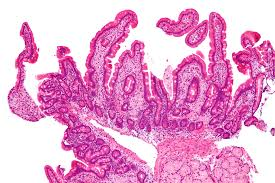
Whipple’s disease is a rare condition that affects the small intestine’s ability to absorb nutrients. It’s characterized by chronic diarrhea, abdominal pain, weight loss, and sometimes joint pain, fever, and skin changes. The disease can also involve the heart, lungs, and brain, making it a systemic disorder. Diagnosis is confirmed through biopsy of affected tissues, which reveals the presence of Tropheryma whipplei.
The conventional treatment for Whipple’s disease is a rigorous course of antibiotics, often for up to two years. Despite its effectiveness, this approach can have side effects and may not fully address the disease’s impact on the body’s overall balance and vitality.
Ayurveda: Principles and Philosophy
Ayurveda is based on the concept of balance within the body and between the body and the environment. It revolves around three primary doshas (energetic forces) — Vata, Pitta, and Kapha — each of which influences bodily functions and health. Ayurveda aims to maintain or restore balance among these doshas to promote health and prevent disease.
- Vata Dosha: Associated with air and space, it governs movement and is linked to bodily functions such as circulation and digestion.
- Pitta Dosha: Linked to fire and water, it controls metabolic processes, including digestion and transformation.
- Kapha Dosha: Related to earth and water, it governs structure and lubrication within the body, including fluid balance and immunity.
Disease in Ayurveda is viewed as a result of imbalances within these doshas or between the doshas and external factors. Treatment focuses on restoring this balance through diet, lifestyle changes, herbal remedies, and other therapeutic practices.
Ayurveda and Whipple’s Disease: A Holistic Perspective
In Ayurveda, Whipple’s Disease and Ayurveda: Exploring Traditional and Modern Approaches could be addressing the imbalances that lead to the disease’s symptoms. Here’s how Ayurvedic principles might inform the management of Whipple’s disease:
- Identifying Dosha Imbalances: In Whipple’s disease, symptoms such as diarrhea, malabsorption, and abdominal pain might suggest imbalances in Pitta (due to inflammation and digestive issues) and Vata (due to irregularities in bowel function). Ayurvedic diagnosis would focus on identifying these imbalances and tailoring treatment accordingly.
- Diet and Digestion: Ayurveda emphasizes the importance of digestion (Agni) in maintaining health. For someone with Whipple’s disease, a diet that supports digestive health and reduces inflammation might be beneficial. This could include:
- Warm, cooked foods: Easy-to-digest foods that support Agni and reduce digestive stress.
- Anti-inflammatory spices: Turmeric, ginger, and cumin could help manage inflammation and support gut health.
- Probiotics: Fermented foods like yogurt and sauerkraut might aid in restoring healthy gut flora.
- Herbal Remedies: Ayurveda uses a range of herbs to support digestion and overall health. Some herbs that might be considered include:
- Turmeric (Curcuma longa): Known for its anti-inflammatory and antimicrobial properties.
- Guduchi (Tinospora cordifolia): Often used to boost immunity and combat infections.
- Amla (Phyllanthus emblica): Rich in vitamin C and antioxidants, it supports overall health and immune function.
- Lifestyle Adjustments: Ayurveda advocates for a balanced lifestyle to support overall well-being. Recommendations might include:
- Routine: Following a regular daily routine to stabilize bodily rhythms.
- Stress Management: Practices like yoga, meditation, and pranayama (breathing exercises) to manage stress and support mental health.
- Sleep Hygiene: Ensuring adequate and restful sleep to aid in recovery and overall health.
- Detoxification: Ayurvedic practices like Panchakarma (a series of therapeutic treatments) could be considered to support detoxification and rejuvenation, though these would need to be approached cautiously and in conjunction with conventional treatments.
Integrating Ayurveda with Conventional Medicine
Integrating Ayurvedic practices with conventional treatment for Whipple’s disease can offer a more comprehensive approach to managing the condition. Here are some considerations:
- Collaboration with Healthcare Providers: It’s crucial to work closely with healthcare providers to ensure that Ayurvedic remedies do not interfere with conventional treatments. A collaborative approach ensures that all aspects of the patient’s health are addressed safely and effectively.
- Monitoring and Adjustments: Regular monitoring of the disease’s progress and any side effects from treatments is essential. Ayurvedic practitioners can adjust dietary and lifestyle recommendations based on the patient’s response to treatment.
- Complementary Support: Ayurvedic practices can complement conventional treatments by addressing symptoms, improving quality of life, and supporting overall well-being. However, they should not replace antibiotic therapy or other medical interventions required for treating Whipple’s disease.
Conclusion
Whipple’s Disease and Ayurveda: Exploring Traditional and Modern Approaches is a complex and challenging condition requiring a multifaceted approach to treatment. Ayurveda, with its focus on balancing doshas and supporting overall health, offers valuable insights and complementary strategies that can enhance conventional medical treatments. By integrating Ayurvedic principles with modern medicine, patients can benefit from a holistic approach that addresses not only the disease but also overall well-being.
If you or someone you know is dealing with Whipple’s disease, it’s important to consult with healthcare professionals knowledgeable in both conventional and Ayurvedic medicine. Together, they can create a comprehensive treatment plan that supports both the management of the disease and the patient’s overall health and vitality.

About author

Related posts

Atrial Fibrillation and Ayurveda: A Natural Path to Heart Health is a common heart condition that... Continue reading
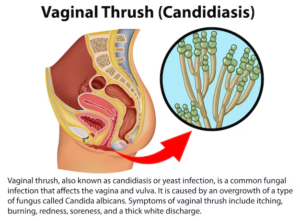
Ayurvedic Treatment for Candida Infection: A Comprehensive Guide are a common and often troublesome health issue,... Continue reading
Ayurvedic Approach to Encephalitis: A Holistic Healing Path is a serious medical condition characterized by inflammation... Continue reading

Ayurvedic Approach to Managing Fatty Liver Disease (NAFLD), particularly Non-Alcoholic Fatty Liver Disease (NAFLD), has emerged... Continue reading

Hematuria and Ayurvedic Treatment: A Comprehensive Guide to Understanding and Managing Blood in Urine the presence... Continue reading
Add comment