No products in the cart.
Return To ShopUnderstanding Kawasaki Disease and Ayurvedic Approaches to Management
Understanding Kawasaki Disease and Ayurvedic Approaches to Management is a rare but serious illness primarily affecting children. It is characterized by inflammation in the walls of medium-sized arteries throughout the body, including the coronary arteries. This disease can lead to significant complications if not treated promptly. Conventional treatment often includes high-dose aspirin and intravenous immunoglobulin (IVIG), which can be effective in managing symptoms and preventing long-term damage. However, many parents and caregivers seek complementary and alternative approaches to support their child’s recovery and overall well-being. In this blog, we will explore how Ayurvedic medicine, an ancient system of healing from India, can be integrated into the management of Kawasaki Disease.
What is Kawasaki Disease?
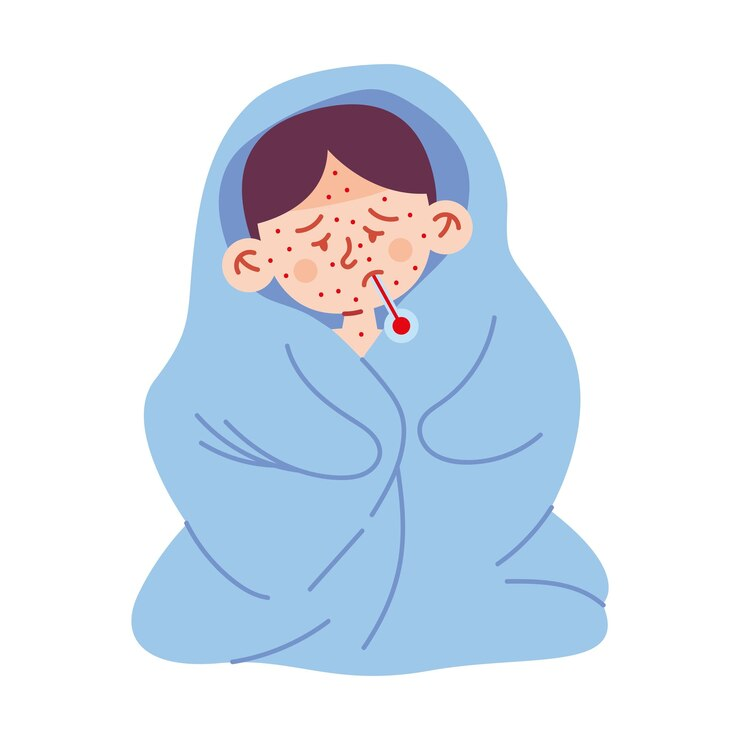
Kawasaki Disease typically affects children under the age of five and is marked by a prolonged fever lasting more than five days, along with other symptoms such as:
- Rash
- Swollen lymph nodes
- Red, bloodshot eyes
- Swollen hands and feet
- Strawberry tongue (red, swollen tongue with white coating)
The exact cause of Kawasaki Disease remains unknown, but it is thought to be related to an abnormal immune response triggered by an infection or environmental factor. The primary concern is the risk of coronary artery aneurysms, which can have serious long-term cardiovascular consequences.
Conventional Treatment of Kawasaki Disease
The standard treatment for Kawasaki Disease includes:
- Intravenous Immunoglobulin (IVIG): Administered to reduce inflammation and prevent damage to the coronary arteries.
- Aspirin: Given in high doses initially to manage fever and inflammation, followed by a lower dose to prevent blood clotting.
These treatments have proven effective in reducing the risk of coronary artery complications. However, conventional medicine does not always address all aspects of a child’s health and recovery, which is where complementary approaches like Ayurveda can play a role.
Ayurvedic Medicine: An Overview
Ayurveda is a holistic system of medicine that originated in India over 5,000 years ago. It focuses on balancing the body’s energies, or doshas, to promote health and prevent illness. The three primary doshas are:
- Vata: Governs movement and communication in the body.
- Pitta: Controls digestion and metabolism.
- Kapha: Regulates structure and fluid balance.
In Ayurveda, health is seen as a state of balance between these doshas, while disease is believed to result from imbalances. Ayurvedic treatments include a combination of herbal remedies, dietary recommendations, lifestyle changes, and therapies like Panchakarma.
Integrating Ayurveda into Kawasaki Disease Management
While Ayurveda cannot replace conventional treatments for Kawasaki Disease, it can be used as a complementary approach to support overall health and recovery. Here’s how Ayurveda can be integrated into the management plan:
1. Dietary Recommendations
Ayurveda emphasizes the importance of diet in maintaining balance and supporting recovery. For children with Kawasaki Disease, a diet that supports immune health and reduces inflammation can be beneficial.
- Anti-inflammatory Foods: Incorporate foods with anti-inflammatory properties, such as turmeric, ginger, garlic, and leafy greens.
- Warm, Cooked Foods: Ayurveda suggests that warm, cooked foods are easier to digest and can help balance inflammation. Soups, stews, and herbal teas are good options.
- Avoid Processed Foods: Minimize processed and sugary foods, as they can exacerbate inflammation and weaken the immune system.
2. Herbal Remedies
Ayurvedic herbs can support immune function and help manage inflammation. Some commonly used herbs include:
- Turmeric (Curcuma longa): Known for its anti-inflammatory and antioxidant properties, turmeric can help reduce inflammation and support overall health.
- Ashwagandha (Withania somnifera): An adaptogen that helps the body cope with stress and supports immune function.
- Guduchi (Tinospora cordifolia): Known for its immune-boosting and anti-inflammatory effects.
Always consult with a healthcare professional before introducing any herbal supplements, especially for children with serious conditions like Kawasaki Disease.
3. Lifestyle Modifications
Ayurveda also emphasizes the importance of lifestyle in maintaining balance. For a child recovering from Kawasaki Disease, consider the following lifestyle adjustments:
- Adequate Rest: Ensure the child gets enough rest and sleep to support recovery and overall health.
- Stress Management: Engage in calming activities and practices, such as gentle yoga or meditation, to help reduce stress and promote emotional well-being.
- Routine: Establishing a consistent daily routine can help support the child’s overall health and recovery process.
4. Panchakarma Therapy
Panchakarma is a traditional Ayurvedic detoxification and rejuvenation therapy that involves various treatments to cleanse and balance the body. While not typically used directly for Kawasaki Disease, Panchakarma therapies can be beneficial for overall health and wellness. Consult with an experienced Ayurvedic practitioner to determine if these therapies are appropriate for your child.
Combining Ayurveda with Conventional Medicine
It is crucial to understand that Ayurveda should be used as a complementary approach and not as a replacement for conventional medical treatment. Integrating Ayurvedic practices with conventional care can help support the child’s overall health and well-being. Always work closely with both conventional and Ayurvedic healthcare providers to create a comprehensive and safe management plan.
Conclusion
Understanding Kawasaki Disease and Ayurvedic Approaches to Management is a serious condition that requires prompt and effective medical treatment. While conventional treatments are essential for managing the disease and preventing complications, Ayurveda offers supportive strategies that can complement conventional care. By focusing on dietary adjustments, herbal remedies, lifestyle changes, and holistic therapies, Ayurveda can help support a child’s recovery and overall health.
Parents and caregivers should always consult with healthcare professionals before introducing any new treatments or therapies. Combining the strengths of both conventional and Ayurvedic approaches can provide a well-rounded strategy for managing Kawasaki Disease and promoting long-term health.
About author

Related posts

Atrial Fibrillation and Ayurveda: A Natural Path to Heart Health is a common heart condition that... Continue reading
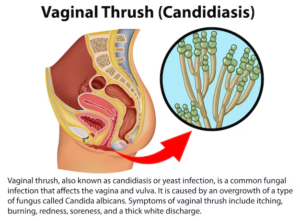
Ayurvedic Treatment for Candida Infection: A Comprehensive Guide are a common and often troublesome health issue,... Continue reading
Ayurvedic Approach to Encephalitis: A Holistic Healing Path is a serious medical condition characterized by inflammation... Continue reading
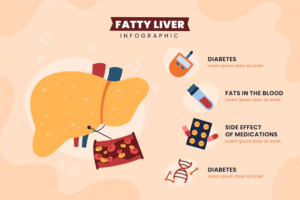
Ayurvedic Approach to Managing Fatty Liver Disease (NAFLD), particularly Non-Alcoholic Fatty Liver Disease (NAFLD), has emerged... Continue reading
Hematuria and Ayurvedic Treatment: A Comprehensive Guide to Understanding and Managing Blood in Urine the presence... Continue reading
Add comment