No products in the cart.
Return To ShopUnderstanding Legionnaires’ Disease: An Ayurvedic Perspective
Introduction
Understanding Legionnaires’ Disease: An Ayurvedic Perspective is a severe form of pneumonia caused by the bacterium Legionella pneumophila. The disease, first identified in 1976 during an American Legion convention, has since become a significant health concern, especially in settings with poor water management systems. Symptoms include high fever, cough, and difficulty breathing, often requiring antibiotic treatment to manage effectively. While modern medicine plays a critical role in combating this disease, many are exploring complementary approaches, including Ayurveda, to support recovery and enhance overall well-being. In this blog, we delve into Legionnaires’ Disease and examine how Ayurvedic principles and treatments might be integrated into a comprehensive care plan.
Understanding Legionnaires’ Disease

Causes and Symptoms
Legionnaires’ Disease is caused by inhaling aerosolized water droplets contaminated with Legionella bacteria. Common sources include air conditioning systems, hot tubs, and plumbing systems. The disease primarily affects individuals with weakened immune systems, older adults, and those with chronic health conditions.
The symptoms of Legionnaires’ Disease are similar to other types of pneumonia and include:
- High fever
- Chills
- Cough
- Shortness of breath
- Muscle aches
- Headache
- Gastrointestinal symptoms such as nausea, vomiting, and diarrhea
Diagnosis is typically confirmed through chest X-rays, blood tests, and urine tests that detect Legionella antigens. Early intervention with antibiotics is crucial to managing the disease effectively.
Ayurvedic Perspective on Health and Disease
Ayurveda, a traditional system of medicine from India, focuses on balancing the body’s energies (Doshas) to maintain health and prevent disease. According to Ayurvedic principles, health is maintained through a balance of three primary energies:
- Vata (air and space)
- Pitta (fire and water)
- Kapha (earth and water)
An imbalance in these Doshas can lead to illness. Ayurveda emphasizes a holistic approach to health, integrating diet, lifestyle, and natural therapies to restore balance and promote healing.
Integrating Ayurveda into the Management of Legionnaires’ Disease
While Ayurveda cannot replace conventional medical treatments for Legionnaires’ Disease, it can complement them by supporting overall health, boosting immunity, and aiding recovery. Here’s how Ayurvedic principles and remedies can be integrated into a care plan for Legionnaires’ Disease:
1. Enhancing Immunity
A strong immune system is crucial for fighting off infections. Ayurveda offers several ways to boost immunity:
- Dietary Adjustments: Incorporate foods that strengthen immunity and support the body’s natural defense mechanisms. Warm, nourishing foods such as soups, stews, and herbal teas can be beneficial. Key ingredients include:
- Turmeric: Known for its anti-inflammatory and antimicrobial properties.
- Ginger: Helps improve digestion and boosts immunity.
- Garlic: Has natural antibacterial and antiviral properties.
- Herbal Remedies: Several Ayurvedic herbs are believed to support immune function:
- Ashwagandha: Known for its adaptogenic properties, helping the body cope with stress and improve overall vitality.
- Tulsi (Holy Basil): Acts as an immune booster and has antiviral properties.
- Echinacea: Often used to support the immune system and prevent infections.
- Lifestyle Practices: Regular exercise, adequate sleep, and stress management are essential for maintaining a healthy immune system. Practices like yoga and meditation can help manage stress and promote overall well-being.
2. Supporting Respiratory Health
Given that Legionnaires’ Disease primarily affects the lungs, supporting respiratory health is crucial:
- Breathing Exercises: Pranayama, or controlled breathing exercises, can help improve lung function and oxygenate the body. Techniques such as Anulom Vilom (alternate nostril breathing) and Kapalabhati (skull-shining breath) can be particularly beneficial.
- Herbal Steam Inhalation: Steam inhalation with herbs like eucalyptus, peppermint, and rosemary can help ease respiratory symptoms and support lung function.
- Warm Liquids: Drinking warm liquids can soothe the throat and respiratory tract. Herbal teas with ingredients like licorice root and marshmallow root can be particularly soothing.
3. Promoting Detoxification
Detoxification is an essential aspect of Ayurveda for removing toxins and supporting recovery:
- Cleansing Diet: Following a diet that supports detoxification can be beneficial. This includes consuming light, easily digestible foods and avoiding heavy, greasy, or processed foods.
- Herbal Detoxifiers: Certain Ayurvedic herbs support detoxification:
- Triphala: A combination of three fruits that aids in digestion and detoxification.
- Guggul: Known for its detoxifying properties and support for the respiratory system.
- Hydration: Staying well-hydrated is crucial for flushing out toxins and supporting overall health. Herbal teas and warm water with lemon can be beneficial.
4. Balancing Doshas
Balancing the Doshas can support overall health and aid in recovery from illness:
- Vata Dosha: If Vata is aggravated, which can happen during illness, focus on grounding and nourishing practices. Warm, moist foods and herbal teas can help balance Vata.
- Pitta Dosha: During a fever or inflammatory condition, Pitta Dosha may be aggravated. Cooling foods and herbs, such as cucumber and mint, can help balance Pitta.
- Kapha Dosha: If Kapha is imbalanced, which can contribute to mucus and respiratory congestion, focus on stimulating and decongesting practices. Spicy foods, ginger, and turmeric can help balance Kapha.
Cautions and Considerations
While Ayurvedic practices can complement conventional treatment, it’s essential to approach them with caution:
- Consultation with Healthcare Providers: Always consult with healthcare providers before incorporating new therapies, especially when dealing with serious conditions like Legionnaires’ Disease.
- Quality of Herbs: Ensure that Ayurvedic herbs are sourced from reputable suppliers to avoid contamination and ensure effectiveness.
- Complementary Approach: Ayurveda should complement, not replace, conventional medical treatments. Antibiotics and other medical interventions remain critical for treating Legionnaires’ Disease.
Conclusion
Legionnaires’ Disease is a serious condition that requires prompt medical treatment. While Ayurveda cannot replace conventional medicine, it offers valuable tools to support overall health, boost immunity, and aid in recovery. Integrating Ayurvedic practices, such as dietary adjustments, herbal remedies, and lifestyle changes, can enhance well-being and complement medical care.
By combining the best of both worlds—modern medicine and traditional wisdom—individuals can approach recovery from Legionnaires’ Disease in a holistic and balanced manner. Remember to work closely with healthcare professionals to ensure that all aspects of care are appropriately managed.
Stay informed, stay healthy, and embrace a holistic approach to wellness.
References
- Ayurveda and Immunity: Insights on boosting immunity through Ayurvedic practices.
- Legionnaires’ Disease: Medical sources and guidelines for managing this condition.
- Herbal Remedies: Detailed information on Ayurvedic herbs and their benefits.
Feel free to leave comments or questions below, and don’t hesitate to share your experiences with integrating Ayurveda into your health care routine!


About author

Related posts

Atrial Fibrillation and Ayurveda: A Natural Path to Heart Health is a common heart condition that... Continue reading
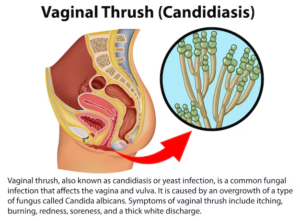
Ayurvedic Treatment for Candida Infection: A Comprehensive Guide are a common and often troublesome health issue,... Continue reading
Ayurvedic Approach to Encephalitis: A Holistic Healing Path is a serious medical condition characterized by inflammation... Continue reading
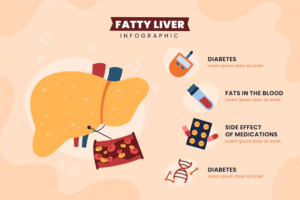
Ayurvedic Approach to Managing Fatty Liver Disease (NAFLD), particularly Non-Alcoholic Fatty Liver Disease (NAFLD), has emerged... Continue reading
Hematuria and Ayurvedic Treatment: A Comprehensive Guide to Understanding and Managing Blood in Urine the presence... Continue reading
Add comment