
No products in the cart.
Return To ShopRosacea and Ayurveda: A Holistic Approach to Skin Health
Introduction
Rosacea and Ayurveda: A Holistic Approach to Skin Health a common and often misunderstood skin condition that affects millions of people worldwide. Characterized by redness, visible blood vessels, and sometimes pimples on the face, rosacea can significantly impact an individual’s quality of life and self-esteem. Conventional treatments often focus on managing symptoms and preventing flare-ups, but many are seeking complementary approaches that offer holistic benefits. Ayurveda, the ancient system of medicine from India, provides a unique perspective on treating rosacea by addressing the root causes and promoting overall well-being. In this blog, we will explore how Ayurveda approaches rosacea, the underlying principles, and practical tips for managing this condition through natural means.
Understanding Rosacea
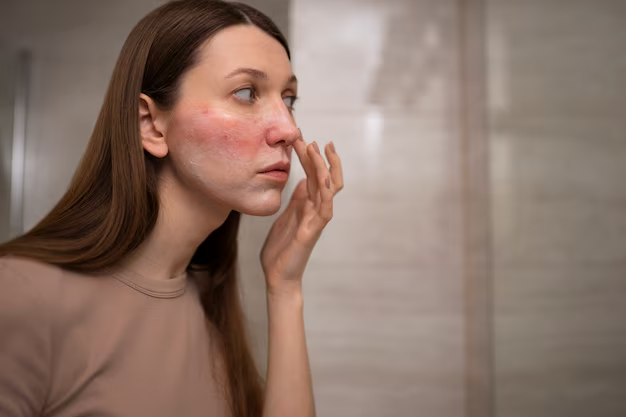
Rosacea is a chronic inflammatory condition that primarily affects the central part of the face. Its symptoms can range from mild redness to severe inflammation and swelling. The exact cause of rosacea is not fully understood, but several factors are believed to contribute, including:
- Genetics: A family history of rosacea can increase the risk.
- Environmental Factors: Exposure to sun, wind, and extreme temperatures can trigger flare-ups.
- Lifestyle Factors: Alcohol, spicy foods, and stress are known to exacerbate symptoms.
- Microbial Factors: Some studies suggest that the presence of certain bacteria or mites on the skin might play a role.
Ayurveda: An Overview
Ayurveda, which means “the science of life” in Sanskrit, is a traditional system of medicine that originated in India over 5,000 years ago. It emphasizes balance among the body, mind, and spirit and operates on the principle that health and disease are influenced by our lifestyle, diet, and environment. Ayurveda classifies individuals into three main types or “doshas” — Vata, Pitta, and Kapha — each representing different combinations of the five elements (earth, water, fire, air, and space).
- Vata: Represents the elements of air and space. It governs movement and communication in the body.
- Pitta: Represents the elements of fire and water. It is responsible for metabolism and transformation.
- Kapha: Represents the elements of earth and water. It provides structure and stability.
In Ayurveda, rosacea is often associated with an imbalance in the Pitta dosha, which governs heat and inflammation in the body. Balancing Pitta through dietary changes, lifestyle adjustments, and natural remedies is central to managing rosacea from an Ayurvedic perspective.
Ayurvedic Approach to Rosacea
1. Balancing Pitta Dosha
Since rosacea is linked with Pitta imbalance, the first step in Ayurvedic treatment is to balance this dosha. This involves both internal and external measures:
- Dietary Adjustments:
- Cooling Foods: Incorporate foods that have a cooling effect on the body, such as cucumbers, melons, and leafy greens.
- Avoid Hot and Spicy Foods: Limit or avoid foods that increase Pitta, such as spicy dishes, caffeine, and alcohol.
- Hydration: Drink plenty of water and herbal teas that cool the system, such as peppermint or fennel tea.
- Herbal Remedies:
- Aloe Vera: Known for its cooling and soothing properties, aloe vera can help reduce inflammation and redness.
- Turmeric: Contains curcumin, which has anti-inflammatory and antioxidant properties. Turmeric can be taken in supplement form or applied topically in a paste.
- Neem: With its purifying and anti-inflammatory effects, neem is often used to manage skin conditions.
- Lifestyle Modifications:
- Stress Management: Practice relaxation techniques such as yoga, meditation, or deep breathing exercises. Stress can exacerbate Pitta imbalances and rosacea symptoms.
- Adequate Sleep: Ensure a regular sleep pattern to support overall health and balance the doshas.
2. External Treatments
Ayurveda also emphasizes external treatments to soothe the skin and support healing:
- Cooling Masks: Apply masks made from natural ingredients such as yogurt, honey, and cucumber. These ingredients have cooling properties and can help calm inflamed skin.
- Gentle Cleansing: Use mild, natural cleansers to avoid irritating the skin. Ingredients like chamomile or rose water can be soothing.
- Moisturization: Choose natural, fragrance-free moisturizers that hydrate without clogging pores. Coconut oil and almond oil are good options for their soothing properties.
3. Detoxification and Purification
Ayurveda views detoxification as a crucial aspect of maintaining balance and health. For rosacea, a gentle detox regimen can help reduce internal heat and inflammation:
- Panchakarma: This is a traditional Ayurvedic cleansing procedure that includes various techniques such as oil massages, herbal steam treatments, and enemas. Consult with a qualified Ayurvedic practitioner to determine if Panchakarma is appropriate for you.
- Fasting: Intermittent fasting or periodic fasting can help in reducing internal heat and balancing the doshas. However, it should be done under the guidance of a healthcare professional.
4. Emotional and Mental Well-being
Ayurveda recognizes the connection between emotional health and physical conditions. Managing stress and emotional well-being is essential for treating rosacea:
- Emotional Balance: Engage in activities that bring joy and relaxation, such as hobbies, spending time in nature, or connecting with loved ones.
- Mindfulness Practices: Incorporate mindfulness and meditation into your daily routine to promote emotional stability and reduce stress.
Practical Tips for Managing Rosacea with Ayurveda
- Track Your Triggers: Keep a journal to identify and monitor factors that trigger or worsen your rosacea. This can help you make more informed choices about diet, lifestyle, and skincare.
- Consult a Professional: Work with a qualified Ayurvedic practitioner to create a personalized treatment plan. They can provide tailored recommendations based on your dosha balance and specific needs.
- Be Consistent: Ayurveda emphasizes long-term lifestyle changes rather than quick fixes. Consistent adherence to dietary adjustments, lifestyle practices, and natural remedies is key to achieving and maintaining balance.
- Holistic Approach: Combine Ayurvedic treatments with conventional care as needed. A comprehensive approach that includes both traditional and modern methods can offer the best results.
Conclusion
Rosacea can be a challenging condition to manage, but Ayurveda offers a holistic approach that addresses the root causes and promotes overall balance. By focusing on balancing the Pitta dosha through diet, lifestyle changes, and natural remedies, individuals can experience relief from rosacea symptoms and improve their quality of life. As with any health condition, it’s essential to consult with healthcare professionals to create a comprehensive treatment plan tailored to your unique needs. Embracing the principles of Ayurveda can provide a supportive and balanced path to managing rosacea and enhancing overall well-being.


About author

Related posts

Atrial Fibrillation and Ayurveda: A Natural Path to Heart Health is a common heart condition that... Continue reading
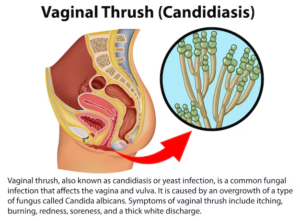
Ayurvedic Treatment for Candida Infection: A Comprehensive Guide are a common and often troublesome health issue,... Continue reading
Ayurvedic Approach to Encephalitis: A Holistic Healing Path is a serious medical condition characterized by inflammation... Continue reading
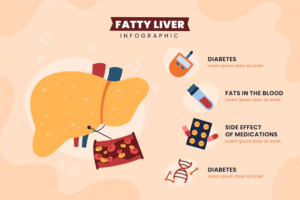
Ayurvedic Approach to Managing Fatty Liver Disease (NAFLD), particularly Non-Alcoholic Fatty Liver Disease (NAFLD), has emerged... Continue reading
Hematuria and Ayurvedic Treatment: A Comprehensive Guide to Understanding and Managing Blood in Urine the presence... Continue reading
Add comment