
No products in the cart.
Return To ShopUnderstanding Depression and Ayurveda: A Comprehensive Guide to Ayurvedic Treatments
Introduction
Understanding Depression and Ayurveda: A Comprehensive Guide to Ayurvedic Treatments is a multifaceted mental health disorder affecting millions of individuals worldwide. It can significantly impair daily functioning, leading to emotional, physical, and psychological challenges. While conventional medicine often utilizes antidepressants and psychotherapy, Ayurveda, the ancient system of medicine originating from India, offers a unique perspective on understanding and treating depression. This blog delves into the Ayurvedic approach to depression, exploring its principles, diagnostic methods, and treatments.
What is Depression?

Depression, clinically referred to as Major Depressive Disorder (MDD), is characterized by persistent feelings of sadness, hopelessness, and a lack of interest or pleasure in activities once enjoyed. Symptoms may include:
- Persistent low mood
- Changes in appetite or weight
- Insomnia or excessive sleeping
- Loss of energy
- Feelings of worthlessness or guilt
- Difficulty concentrating
Ayurveda and Depression
Understanding Depression and Ayurveda: A Comprehensive Guide to Ayurvedic Treatments, which translates to “the science of life,” is a holistic system of medicine that aims to balance the body’s energies, or doshas, to maintain health and well-being. According to Ayurveda, mental health issues like depression are often linked to imbalances in these doshas. The three primary doshas are:
- Vata – Represents movement and change. It is associated with the elements of air and space.
- Pitta – Represents transformation and metabolism. It is associated with the elements of fire and water.
- Kapha – Represents stability and structure. It is associated with the elements of earth and water.
An imbalance in these doshas can lead to mental and physical health issues. In Ayurveda, depression is often associated with an imbalance in Vata and/or Kapha doshas, leading to a state of mental and emotional stagnation.
Ayurvedic Diagnosis of Depression
Ayurvedic diagnosis involves a comprehensive evaluation of the individual’s physical, mental, and emotional state. Practitioners use various methods to determine dosha imbalances, including:
- Pulse Diagnosis (Nadi Pariksha): This involves feeling the pulse to assess the state of the doshas.
- Observation (Darshan): Visual examination of physical and behavioral symptoms.
- Questioning (Prashna): Detailed questioning about lifestyle, diet, emotional state, and symptoms.
- Tongue and Urine Analysis: Examination of the tongue and urine for signs of imbalance.
Ayurvedic Treatments for Depression
Ayurvedic treatment for depression focuses on restoring balance to the doshas and rejuvenating the mind and body. Here are some key components of Ayurvedic treatment:
1. Diet and Nutrition
Diet plays a crucial role in Ayurveda.
- Vata Balancing Foods: Warm, moist, and oily foods such as soups, stews, and cooked grains. Foods rich in healthy fats like ghee and avocados are beneficial.
- Pitta Balancing Foods: Cooling and soothing foods such as cucumber, melons, and coconut water. Avoid spicy, acidic, and caffeinated foods.
- Kapha Balancing Foods: Light and stimulating foods such as leafy greens, legumes, and spices like ginger and black pepper.
In general, a balanced diet that includes a variety of fresh, whole foods can help support mental health and well-being.
2. Herbal Remedies
Ayurveda utilizes a range of herbs known for their therapeutic properties. For depression, the following herbs are commonly used:
- Ashwagandha (Withania somnifera): Known for its adaptogenic properties, it helps combat stress and anxiety.
- Brahmi (Bacopa monnieri): Supports cognitive function and mental clarity.
- Jatamansi (Nardostachys jatamansi): A calming herb that helps reduce stress and anxiety.
- Turmeric (Curcuma longa): Contains curcumin, which has anti-inflammatory and mood-enhancing properties.
3. Lifestyle Modifications
Lifestyle changes are crucial in Ayurveda to maintain balance and prevent depression. Recommendations include:
- Regular Exercise: Engaging in physical activity like yoga or walking to enhance mood and energy levels.
- Meditation and Mindfulness: Practices such as meditation, deep breathing, and mindfulness help calm the mind and reduce stress.
- Adequate Sleep: Establishing a regular sleep routine to ensure restorative sleep.
- Stress Management: Techniques such as journaling, hobbies, and relaxation exercises to manage stress.
4. Panchakarma Therapy
Panchakarma is a series of therapeutic procedures aimed at detoxifying and rejuvenating the body. It includes:
- Vamana (Therapeutic Vomiting): Cleanses the upper digestive tract.
- Virechana (Purgation): Eliminates toxins through the digestive system.
- Basti (Enema Therapy): Cleanses and nourishes the colon.
- Raktamokshana (Blood Letting): Purifies the blood.
- Nasya (Nasal Therapy): Cleanses the nasal passages and sinuses.
These treatments help remove toxins and restore dosha balance, which can positively impact mental health.
5. Aromatherapy
Aromatherapy is used in Ayurveda to enhance mood and emotional well-being. Essential oils such as lavender, sandalwood, and chamomile are often used to promote relaxation and alleviate stress.
6. Rituals and Spiritual Practices
Ayurveda recognizes the importance of spiritual well-being in mental health. Engaging in spiritual practices such as prayer, chanting, and rituals can provide emotional support and enhance overall well-being.
Integrating Ayurveda with Conventional Treatments
While Ayurveda offers valuable insights and treatments for depression, it is important to consider integrating Ayurvedic approaches with conventional medical treatments. Collaboration between Ayurvedic practitioners and mental health professionals ensures a comprehensive and balanced approach to managing depression.
Conclusion
Understanding Depression and Ayurveda: A Comprehensive Guide to Ayurvedic Treatments is a complex condition that requires a multifaceted approach to treatment. Ayurveda provides a holistic perspective, focusing on balancing doshas, improving lifestyle, and utilizing natural remedies to support mental health. By integrating Ayurvedic principles with conventional treatments, individuals can achieve a more comprehensive and personalized approach to managing depression.
If you are considering Ayurvedic treatments, it is essential to consult with a qualified Ayurvedic practitioner and work closely with your healthcare provider to ensure a safe and effective treatment plan. With the right approach, it is possible to find relief and restore balance, leading to improved mental and emotional well-being.
References
- Saraswathi, T. S., & Srinivas, P. (2019). Ayurvedic Management of Depression: A Review. Journal of Ayurveda and Integrative Medicine, 10(3), 195-202.
- Sharma, H., & Singh, R. (2020). The Role of Ayurveda in Mental Health: A Comprehensive Review. Journal of Traditional and Complementary Medicine, 10(4), 438-445.
- Pate, H. M., & Arora, S. (2021). Exploring Ayurvedic Approaches to Depression: Benefits and Limitations. International Journal of Yoga and Therapy, 31(2), 75-82.
By understanding and integrating these Ayurvedic principles and practices, individuals struggling with depression can explore additional avenues for healing and well-being.


About author

Related posts

Atrial Fibrillation and Ayurveda: A Natural Path to Heart Health is a common heart condition that... Continue reading
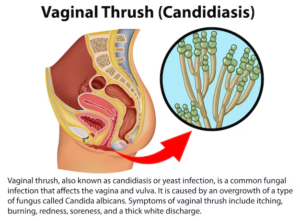
Ayurvedic Treatment for Candida Infection: A Comprehensive Guide are a common and often troublesome health issue,... Continue reading
Ayurvedic Approach to Encephalitis: A Holistic Healing Path is a serious medical condition characterized by inflammation... Continue reading

Ayurvedic Approach to Managing Fatty Liver Disease (NAFLD), particularly Non-Alcoholic Fatty Liver Disease (NAFLD), has emerged... Continue reading

Hematuria and Ayurvedic Treatment: A Comprehensive Guide to Understanding and Managing Blood in Urine the presence... Continue reading
Add comment