
No products in the cart.
Return To ShopUnderstanding Cystic Fibrosis: Insights and Ayurvedic Approaches
Understanding Cystic Fibrosis: Insights and Ayurvedic Approaches is a challenging genetic disorder that primarily affects the respiratory and digestive systems. Characterized by the production of thick and sticky mucus, CF leads to persistent lung infections, respiratory issues, and digestive problems. Conventional medicine often involves a combination of medications, physical therapy, and sometimes surgical interventions to manage symptoms and improve quality of life. However, some individuals seek complementary and alternative approaches, such as Ayurveda, to enhance their overall well-being.
Ayurveda, an ancient system of medicine that originated in India, offers a holistic approach to health and wellness. It emphasizes balance in the body’s systems and considers the interplay of physical, mental, and spiritual aspects. This blog explores how Ayurvedic principles and treatments can be integrated into the management of Cystic Fibrosis, offering a comprehensive perspective on this complex condition.
1. Understanding Cystic Fibrosis

Cystic Fibrosis is caused by mutations in the CFTR gene, which encodes a protein responsible for regulating the movement of salt and water in and out of cells. The resulting defective CFTR protein leads to the production of thick, viscous mucus that clogs various organs, particularly the lungs and pancreas. This obstruction causes chronic infections, inflammation, and damage to these organs.
Common symptoms of CF include:
- Persistent cough with thick mucus
- Frequent lung infections
- Shortness of breath
- Digestive issues such as malabsorption and abdominal pain
- Poor growth and weight gain
The severity of CF can vary widely among individuals, and treatment typically focuses on managing symptoms and improving quality of life.
2. Ayurvedic Principles
Ayurveda, often referred to as the “science of life,” aims to restore balance and harmony within the body. It is based on the concept of three doshas, or fundamental energies: Vata, Pitta, and Kapha. These doshas represent different physiological functions and characteristics.
- Vata: Governs movement, including breathing, circulation, and nerve impulses.
- Pitta: Manages metabolism, digestion, and body temperature.
- Kapha: Responsible for structure, stability, and lubrication.
Health is viewed as a state of balance among these doshas, while disease is considered an imbalance. For individuals with Cystic Fibrosis, the condition could be seen as an imbalance in the Kapha dosha, which is associated with mucus and bodily secretions.
3. Ayurvedic Approach to Cystic Fibrosis
Ayurveda offers a multi-faceted approach to managing Cystic Fibrosis, focusing on diet, herbal remedies, lifestyle changes, and therapeutic practices. While Ayurvedic treatments should complement, not replace, conventional medical care, they can support overall health and well-being.
3.1 Diet and Nutrition
In Ayurveda, diet plays a crucial role in maintaining balance and health. For individuals with CF, an Ayurvedic diet would aim to manage excess Kapha and support digestive function. Key dietary recommendations include:
- Warm, Light Foods: Consuming warm, easily digestible foods can help balance Kapha and support digestion. Soups, stews, and steamed vegetables are beneficial.
- Spices and Herbs: Spices such as ginger, turmeric, and black pepper can stimulate digestion and reduce mucus production. These spices also have anti-inflammatory properties that may help alleviate lung congestion.
- Avoid Heavy and Greasy Foods: Foods that are heavy, greasy, or overly sweet can increase Kapha and exacerbate mucus production. Instead, opt for lighter, balanced meals.
- Hydration: Staying well-hydrated is essential to keep mucus thin and manageable. Herbal teas such as peppermint or licorice root can also support respiratory health.
3.2 Herbal Remedies
Ayurveda employs a range of herbs to support various aspects of health. For CF, certain herbs may help reduce mucus production, support lung function, and improve digestion. Some useful herbs include:
- Tulsi (Holy Basil): Known for its anti-inflammatory and antimicrobial properties, Tulsi can support respiratory health and enhance immune function.
- Ginger: A powerful anti-inflammatory herb that can help reduce mucus and improve digestion.
- Licorice Root: Acts as a soothing agent for the respiratory tract and can help reduce coughing and mucus production.
- Turmeric: Contains curcumin, which has anti-inflammatory and antioxidant effects that may help reduce lung inflammation and support overall health.
3.3 Lifestyle and Daily Routine
Ayurvedic lifestyle recommendations focus on creating balance and harmony in daily activities. For individuals with CF, these practices may include:
- Regular Exercise: Gentle exercises such as yoga can help improve lung function, boost circulation, and reduce stress. Breathing exercises, in particular, can be beneficial for clearing mucus from the lungs.
- Adequate Rest: Ensuring sufficient rest and sleep is crucial for overall health and recovery. Establishing a regular sleep routine and creating a calming environment can support restful sleep.
- Stress Management: Chronic stress can negatively impact health. Practices such as meditation, mindfulness, and relaxation techniques can help manage stress and support overall well-being.
3.4 Therapeutic Practices
Ayurvedic therapies can complement dietary and lifestyle changes, offering additional support for managing CF symptoms. Some therapies to consider include:
- Abhyanga (Oil Massage): Regular oil massage with warm, medicated oils can help balance Kapha and improve circulation. This practice may also help reduce mucus accumulation and support respiratory health.
- Nasya (Nasal Administration): Nasya involves the administration of medicated oils or herbal preparations through the nasal passages. It can help clear nasal congestion and support respiratory function.
- Panchakarma: A detoxification and rejuvenation therapy that includes a series of treatments such as oil massages, steam therapy, and herbal enemas. Panchakarma aims to balance doshas and eliminate toxins from the body.
4. Integrating Ayurveda with Conventional Medicine
While Ayurveda offers valuable insights and complementary treatments, it is essential to integrate these practices with conventional medical care for managing Cystic Fibrosis. Collaboration with healthcare providers ensures that all aspects of the condition are addressed and that treatments are safe and effective.
5. Conclusion
Cystic Fibrosis is a complex condition that requires a multifaceted approach to management. Ayurveda provides a holistic perspective that can complement conventional medical treatments, focusing on balance, wellness, and overall quality of life. By incorporating Ayurvedic principles such as diet, herbal remedies, lifestyle adjustments, and therapeutic practices, individuals with CF can support their health and well-being in a comprehensive manner.
As with any complementary approach, it is crucial to consult with healthcare professionals before starting any new treatment or making significant changes to your care plan. Ayurveda can offer valuable support, but it should be integrated with conventional treatments to ensure the best outcomes for individuals with Cystic Fibrosis.


About author

Related posts

Atrial Fibrillation and Ayurveda: A Natural Path to Heart Health is a common heart condition that... Continue reading
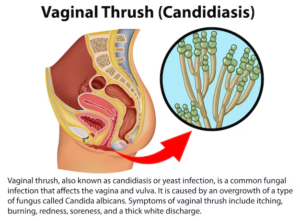
Ayurvedic Treatment for Candida Infection: A Comprehensive Guide are a common and often troublesome health issue,... Continue reading
Ayurvedic Approach to Encephalitis: A Holistic Healing Path is a serious medical condition characterized by inflammation... Continue reading

Ayurvedic Approach to Managing Fatty Liver Disease (NAFLD), particularly Non-Alcoholic Fatty Liver Disease (NAFLD), has emerged... Continue reading
Hematuria and Ayurvedic Treatment: A Comprehensive Guide to Understanding and Managing Blood in Urine the presence... Continue reading
Add comment