
No products in the cart.
Return To ShopUnderstanding Hemophilia and Ayurveda: Exploring Natural Remedies
Understanding Hemophilia and Ayurveda: Exploring Natural Remedies a rare genetic disorder, affects the blood’s ability to clot, leading to excessive bleeding even from minor injuries. This condition, inherited through mutations in genes responsible for clotting factors, poses significant challenges in managing and treating. While modern medicine has made strides in managing hemophilia through clotting factor replacements and other treatments, some individuals seek complementary approaches, including Ayurveda, an ancient system of medicine originating from India. This blog delves into the basics of hemophilia, the principles of Ayurveda, and how these traditional practices might offer supportive therapies for those managing this complex condition.
Understanding Hemophilia
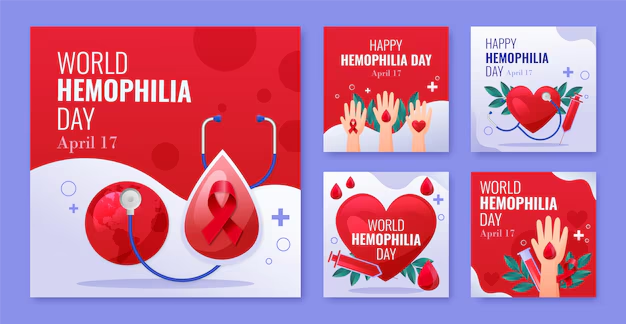
Understanding Hemophilia and Ayurveda: Exploring Natural Remedies. Hemophilia is primarily classified into two main types:
- Hemophilia A: This is the most common form, caused by a deficiency in clotting factor VIII.
- Hemophilia B: This is caused by a deficiency in clotting factor IX.
In both cases, the result is impaired blood clotting, which can lead to spontaneous bleeding or excessive bleeding from minor injuries. Symptoms of hemophilia include easy bruising, frequent nosebleeds, joint pain, and prolonged bleeding from cuts or dental work. Severe cases can lead to internal bleeding, particularly into joints and muscles, causing pain and swelling.
Conventional Treatments for Hemophilia
The primary treatment for hemophilia involves the replacement of the deficient clotting factors through intravenous infusions. These treatments can be:
- Prophylactic: Regular infusions to prevent bleeding episodes.
- On-demand: Infusions given as needed to manage bleeding episodes.
Advancements in treatment have significantly improved the quality of life for individuals with hemophilia. However, some patients seek complementary and alternative therapies to manage their condition more holistically or address symptoms and side effects.
Ayurveda: An Overview
Ayurveda, meaning “the science of life,” is a holistic healing system that originated in India over 5,000 years ago. It emphasizes balance and harmony within the body, mind, and spirit. According to Ayurvedic principles, health is achieved when the body’s three doshas—Vata (air and space), Pitta (fire and water), and Kapha (earth and water)—are in equilibrium.
Ayurvedic medicine utilizes a variety of approaches, including:
- Herbal Remedies: Using plant-based substances to restore balance and support health.
- Diet and Nutrition: Tailoring food intake to balance the doshas and enhance overall wellness.
- Lifestyle Practices: Incorporating daily routines, exercise, and mindfulness practices.
- Panchakarma: A detoxification and rejuvenation process involving massages, herbal treatments, and other therapies.
Integrating Ayurveda with Hemophilia Management
While Ayurveda does not offer a cure for hemophilia, it may provide supportive care to enhance overall well-being and potentially mitigate some symptoms or side effects. Here are some Ayurvedic approaches that might be considered:
1. Diet and Nutrition
Ayurvedic nutrition emphasizes eating according to one’s dosha and the current state of health. For individuals with hemophilia, maintaining a balanced diet is crucial. Foods that support blood health and strengthen the body might be beneficial. These can include:
- Iron-Rich Foods: Spinach, beets, and lentils can help in boosting blood health.
- Vitamin K-Rich Foods: Green leafy vegetables like kale and parsley are known for their role in blood clotting.
- Anti-Inflammatory Foods: Turmeric, ginger, and garlic may help reduce inflammation and support joint health.
Avoiding foods that exacerbate bleeding tendencies or digestive issues is also important. Ayurveda recommends a personalized approach, and consulting with an Ayurvedic practitioner for tailored dietary advice is ideal.
2. Herbal Remedies
Certain herbs in Ayurveda are known for their properties that may support blood health and healing. Some herbs that might be considered include:
- Ashwagandha (Withania somnifera): Known for its adaptogenic properties, it may help manage stress and support overall health.
- Brahmi (Bacopa monnieri): Often used to support cognitive function and mental clarity.
- Shatavari (Asparagus racemosus): Known for its supportive role in female health and vitality.
It’s essential to use these herbs under the guidance of a qualified Ayurvedic practitioner to ensure safety and efficacy, especially considering potential interactions with conventional medications.
3. Lifestyle Practices
Ayurvedic lifestyle practices can help maintain overall balance and wellness:
- Regular Exercise: Gentle exercises like yoga can improve circulation, strengthen muscles, and support joint health. Specific poses that focus on flexibility and strength might be beneficial.
- Stress Management: Techniques such as meditation, deep breathing, and mindfulness can help manage stress, which might impact overall health and well-being.
- Adequate Rest: Ensuring proper sleep and rest is vital for the body’s healing processes and overall health.
4. Panchakarma
Panchakarma is a comprehensive detoxification and rejuvenation process. It involves various therapies such as:
- Abhyanga (Oil Massage): A full-body massage with medicated oils that may help improve circulation and relieve muscle tension.
- Shirodhara: A therapy involving the gentle pouring of warm oil on the forehead, which can promote relaxation and mental clarity.
- Basti (Enema Therapy): Using herbal enemas to cleanse the digestive system and support overall balance.
These therapies should be undertaken with the guidance of a qualified practitioner, especially for individuals with hemophilia, to ensure safety and appropriateness.
Safety and Consultation
It’s crucial for individuals with hemophilia to consult with their healthcare provider before starting any new treatment or complementary therapy. Ayurveda can be a valuable complementary approach, but it should never replace conventional medical treatments. A collaborative approach, integrating both modern medicine and traditional practices, can often provide the most comprehensive care.
Conclusion
Understanding Hemophilia and Ayurveda: Exploring Natural Remedies presents unique challenges in managing bleeding and maintaining overall health. While conventional treatments remain the cornerstone of care, Ayurveda offers a holistic approach that may support overall well-being and address some symptoms or side effects. By focusing on diet, herbal remedies, lifestyle practices, and specialized therapies, individuals with hemophilia might find additional ways to enhance their quality of life.
If you or someone you know is managing hemophilia and interested in exploring Ayurvedic options, it’s essential to work with a knowledgeable practitioner who can provide personalized guidance and ensure that all aspects of care are safely integrated. With a thoughtful and informed approach, Ayurveda can complement conventional treatments and contribute to a more holistic management strategy for hemophilia.

About author

Related posts

Atrial Fibrillation and Ayurveda: A Natural Path to Heart Health is a common heart condition that... Continue reading
Ayurvedic Treatment for Candida Infection: A Comprehensive Guide are a common and often troublesome health issue,... Continue reading

Ayurvedic Approach to Encephalitis: A Holistic Healing Path is a serious medical condition characterized by inflammation... Continue reading
Ayurvedic Approach to Managing Fatty Liver Disease (NAFLD), particularly Non-Alcoholic Fatty Liver Disease (NAFLD), has emerged... Continue reading
Hematuria and Ayurvedic Treatment: A Comprehensive Guide to Understanding and Managing Blood in Urine the presence... Continue reading
Add comment