
No products in the cart.
Return To ShopSickle Cell Disease and Ayurveda: Exploring Traditional Wisdom for Modern Health Challenges
Sickle Cell Disease and Ayurveda: Exploring Traditional Wisdom for Modern Health Challenges is a genetic disorder characterized by the production of abnormal hemoglobin, which leads to distorted, crescent-shaped red blood cells. These irregular cells cause blockages in blood vessels, resulting in pain, organ damage, and a range of complications. Managing SCD involves a multidisciplinary approach, including conventional medicine, lifestyle adjustments, and, increasingly, complementary therapies. Among these, Ayurveda, the ancient system of medicine from India, offers intriguing perspectives and potential benefits.
Understanding Sickle Cell Disease
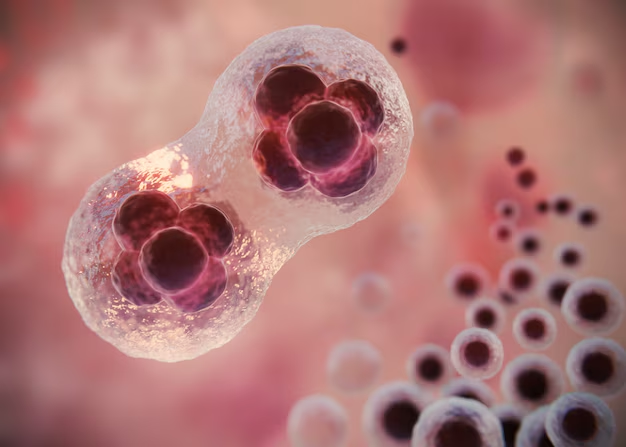
Sickle Cell Disease arises from a mutation in the gene responsible for hemoglobin production. The abnormal hemoglobin, known as hemoglobin S, causes red blood cells to become rigid and shaped like a sickle or crescent, hence the name. This deformation obstructs blood flow and leads to vaso-occlusive crises, anemia, and a host of other health issues.
Symptoms of SCD can vary widely but typically include severe pain episodes, chronic fatigue, swelling in the hands and feet, frequent infections, and delayed growth in children. Managing SCD involves addressing these symptoms and preventing complications through medications, blood transfusions, and other treatments.
Ayurveda: An Overview
Ayurveda, which translates to “the science of life,” is a holistic system of medicine that has been practiced in India for over 5,000 years. Ayurvedic treatments aim to restore balance and promote health through diet, herbal remedies, lifestyle changes, and detoxification practices.
Ayurvedic Perspectives on Sickle Cell Disease
From an Ayurvedic viewpoint, Sickle Cell Disease can be understood through the lens of dosha imbalances and the concept of dhatu (tissues). Ayurveda views diseases as imbalances in these fundamental aspects of health, and treatment focuses on restoring equilibrium.
- Dosha Imbalance: In Ayurveda, SCD could be associated with a disturbance in the Pitta dosha, which governs metabolic and inflammatory processes. Addressing this imbalance through diet and herbs can help manage symptoms.
- Dhatu Imbalance: The production and function of blood (Rakta dhatu) are crucial in Ayurveda. Abnormal hemoglobin can be viewed as a disruption in the formation and quality of Rakta dhatu. Treatments may focus on enhancing blood quality and overall vitality.
Ayurvedic Approaches to Managing Sickle Cell Disease
Ayurvedic treatments for Sickle Cell Disease focus on reducing symptoms, preventing complications, and improving overall quality of life. Here are some key strategies:
- Dietary Recommendations:
- Pitta-Balancing Foods: Foods that pacify Pitta dosha, such as cooling fruits (like apples and pears), vegetables (such as cucumbers and spinach), and whole grains, can help reduce inflammation and pain.
- Iron-Rich Foods: Incorporating iron-rich foods, like leafy greens, lentils, and figs, can support the production of healthy red blood cells. However, it’s essential to balance iron intake carefully, as excessive iron can lead to complications.
- Herbal Remedies:
- Guduchi (Tinospora cordifolia): Known for its immunomodulatory and anti-inflammatory properties, Guduchi can help boost overall vitality and manage symptoms associated with SCD.
- Ashwagandha (Withania somnifera): This adaptogenic herb can help improve stamina and reduce stress, which may benefit those dealing with chronic pain and fatigue.
- Amalaki (Phyllanthus emblica): Rich in vitamin C, Amalaki supports the immune system and enhances iron absorption, aiding in overall health and well-being.
- Lifestyle and Detoxification:
- Regular Exercise: Gentle exercises, such as yoga and walking, can improve circulation and overall health.
- Panchakarma: This Ayurvedic detoxification process involves therapeutic procedures like massage, steam therapy, and enemas to remove toxins and restore balance. It can be beneficial for enhancing overall well-being and managing chronic symptoms.
- Stress Management:
- Meditation and Relaxation: Techniques like meditation and deep breathing can help manage stress and pain, improving emotional and physical health.
- Mind-Body Practices: Incorporating mind-body practices, such as mindfulness and relaxation exercises, can support overall well-being and resilience in the face of chronic illness.
Integrating Ayurveda with Conventional Medicine
While Ayurveda offers valuable insights and supportive treatments, it is essential to integrate these practices with conventional medical care for Sickle Cell Disease. Conventional treatments, such as pain management, blood transfusions, and medications, play a critical role in managing the disease and preventing complications.
When considering Ayurvedic treatments, it is crucial to work with a qualified practitioner who can provide personalized recommendations based on individual health needs and medical conditions. Coordination between Ayurvedic and conventional care ensures a comprehensive approach to managing SCD.
Research and Evidence
The scientific evidence supporting Ayurvedic treatments for Sickle Cell Disease is still emerging.
Researchers are beginning to explore the potential of Ayurvedic herbs and practices in managing chronic conditions like SCD.
Conclusion
Sickle Cell Disease and Ayurveda: Exploring Traditional Wisdom for Modern Health Challenges
presents significant challenges, and managing this condition requires a comprehensive and individualized approach. Ayurveda offers valuable perspectives and potential complementary treatments that can enhance conventional medical care. By focusing on balancing doshas, improving blood quality, and supporting overall well-being through diet, herbs, and lifestyle changes, Ayurveda can contribute to a holistic management plan for SCD.
It is essential to work with both Ayurvedic and conventional healthcare providers to ensure a well-rounded approach that addresses all aspects of the disease. With continued research and collaboration, Ayurveda may offer new insights and solutions for improving the quality of life for those affected by Sickle Cell Disease.
As always, individuals should consult with healthcare professionals before starting any new treatment regimen, particularly when dealing with complex conditions like Sickle Cell Disease. With careful consideration and integrative care, it is possible to enhance overall health and well-being while navigating the challenges of Sickle Cell Disease.

About author

Related posts

Atrial Fibrillation and Ayurveda: A Natural Path to Heart Health is a common heart condition that... Continue reading
Ayurvedic Treatment for Candida Infection: A Comprehensive Guide are a common and often troublesome health issue,... Continue reading
Ayurvedic Approach to Encephalitis: A Holistic Healing Path is a serious medical condition characterized by inflammation... Continue reading

Ayurvedic Approach to Managing Fatty Liver Disease (NAFLD), particularly Non-Alcoholic Fatty Liver Disease (NAFLD), has emerged... Continue reading

Hematuria and Ayurvedic Treatment: A Comprehensive Guide to Understanding and Managing Blood in Urine the presence... Continue reading
Add comment