
No products in the cart.
Return To Shop
Parkinson’s Disease and Ayurveda: Exploring a Holistic Approach
Parkinson’s Disease and Ayurveda: Exploring a Holistic Approach is a progressive neurodegenerative disorder that primarily affects movement control, leading to symptoms such as tremors, rigidity, and bradykinesia (slowness of movement). It is a condition that significantly impacts the quality of life, requiring comprehensive management strategies. While conventional treatments focus on managing symptoms and slowing progression, there is growing interest in alternative and complementary approaches, including Ayurveda.
Ayurveda, the ancient system of medicine originating from India, offers a holistic approach to health and wellness that might provide additional support for individuals with Parkinson’s Disease. This blog will explore how Ayurveda views Parkinson’s Disease and the potential benefits of Ayurvedic treatments in managing the condition.
Understanding Parkinson’s Disease
Parkinson’s Disease is characterized by the degeneration of dopaminergic neurons in the brain, specifically in an area called the substantia nigra. Dopamine is a neurotransmitter crucial for coordinating smooth and controlled movements. The loss of these neurons leads to the hallmark symptoms of Parkinson’s Disease:
- Tremors: Involuntary, rhythmic shaking of a part of the body, often starting in one hand.
- Bradykinesia: Slowness of movement, making everyday tasks more challenging.
- Rigidity: Muscle stiffness that can cause discomfort and limit mobility.
- Postural Instability: Difficulty with balance and coordination, increasing the risk of falls.
The exact cause of Parkinson’s Disease is unknown, though it is believed to involve a combination of genetic and environmental factors. While there is no cure, various treatments, including medications, physical therapy, and surgical options, aim to manage symptoms and improve quality of life.
Ayurveda: A Brief Overview
Ayurveda, which translates to “the science of life,” is a comprehensive system of medicine that originated in ancient India over 5,000 years ago. It emphasizes balance and harmony within the body, mind, and spirit. Central to Ayurvedic practice are the concepts of:
- Doshas: The three primary life forces or energies (Vata, Pitta, and Kapha) that govern physiological and psychological processes.
- Dhatus: The seven bodily tissues (Rasa, Rakta, Mamsa, Meda, Asthi, Majja, and Shukra) that maintain health.
- Agni: The digestive fire that transforms food into energy and nutrients.
- Ojas: The vital energy or essence that supports overall vitality and immunity.
In Ayurveda, health is seen as a state of balance among these elements, and disease arises from imbalances. Treatment aims to restore equilibrium and support the body’s innate healing processes through diet, lifestyle changes, herbal remedies, and therapeutic practices.
Ayurvedic Perspective on Parkinson’s Disease
From an Ayurvedic perspective, Parkinson’s Disease can be associated with imbalances in the Vata dosha, which governs movement, nerves, and overall energy in the body. Specifically, the condition may involve:
- Vata Imbalance: Parkinson’s Disease may be linked to an aggravated Vata dosha, characterized by dry, rough, and irregular qualities. This imbalance can lead to symptoms such as tremors, rigidity, and lack of coordination.
- Ojas Deficiency: A depletion of Ojas can contribute to weakened vitality and resilience, making it harder for the body to cope with degenerative conditions.
- Impaired Agni: Disrupted digestive fire can affect overall health and energy levels, exacerbating symptoms of Parkinson’s Disease.
Ayurvedic treatment aims to balance the Vata dosha, strengthen Ojas, and improve Agni to support overall well-being and manage symptoms.
Ayurvedic Treatments for Parkinson’s Disease
1. Diet and Nutrition
Diet plays a crucial role in Ayurvedic treatment. For Parkinson’s Disease, a diet that pacifies Vata and supports overall nourishment is recommended:
- Warm, Moist Foods: Favor foods that are warm, moist, and nourishing to counteract Vata’s dry and cool qualities. Soups, stews, and cooked vegetables are beneficial.
- Healthy Fats: Incorporate ghee (clarified butter) and other healthy fats to lubricate the body and support nervous system function.
- Spices: Use warming and grounding spices like ginger, turmeric, and cinnamon to aid digestion and reduce Vata imbalances.
- Hydration: Ensure adequate hydration with herbal teas and warm water to maintain moisture and balance Vata.
2. Herbal Remedies
Ayurveda employs various herbs and formulations to address Parkinson’s Disease:
- Brahmi (Bacopa monnieri): Known for its cognitive-enhancing properties, Brahmi can support brain function and mental clarity.
- Ashwagandha (Withania somnifera): This adaptogenic herb helps manage stress and balance Vata, promoting overall vitality.
- Turmeric (Curcuma longa): With its anti-inflammatory and antioxidant properties, turmeric can support overall health and reduce inflammation.
- Shankhapushpi (Convolvulus pluricaulis): This herb is believed to enhance cognitive function and support neurological health.
3. Panchakarma Therapy
Panchakarma is a comprehensive detoxification and rejuvenation therapy in Ayurveda. For Parkinson’s Disease, specific Panchakarma treatments may include:
- Abhyanga (Oil Massage): Regular oil massages with warm medicated oils can help soothe Vata, improve circulation, and enhance overall well-being.
- Shirodhara: This therapy involves the gentle pouring of warm oil on the forehead, which can calm the mind, improve sleep, and reduce stress.
- Basti (Medicated Enema): Basti therapy can help balance Vata dosha and support digestive and eliminative functions.
4. Lifestyle Modifications
Ayurveda emphasizes the importance of a balanced lifestyle to manage chronic conditions:
- Routine: Establishing a regular daily routine, including consistent sleep patterns, meals, and physical activity, can help stabilize Vata dosha.
- Mindfulness and Stress Management: Practices such as yoga, meditation, and deep breathing exercises can help manage stress and support mental health.
- Gentle Exercise: Engaging in gentle, Vata-pacifying exercises like yoga or tai chi can improve flexibility, coordination, and overall mobility.
5. Emotional and Spiritual Well-being
Ayurveda recognizes the interconnectedness of the mind, body, and spirit. Managing emotional and spiritual well-being is crucial for overall health:
- Meditation: Regular meditation can help calm the mind, reduce stress, and improve mental clarity.
- Positive Outlook: Cultivating a positive outlook and engaging in activities that bring joy and fulfillment can enhance overall well-being.
Integrating Ayurveda with Conventional Care
It’s important to approach Ayurvedic treatments as complementary to conventional medical care. Combining Ayurvedic therapies with standard treatments, such as medications and physical therapy, may offer a more comprehensive approach to managing Parkinson’s Disease.
Consulting with a healthcare provider who is knowledgeable in both conventional medicine and Ayurveda is essential to ensure a coordinated and safe treatment plan. Ayurvedic practitioners can work alongside neurologists and other healthcare professionals to tailor treatments to individual needs.
Conclusion
Parkinson’s Disease is a challenging condition that requires a multifaceted approach to management. Ayurveda offers valuable insights and therapies that can complement conventional treatments, focusing on balancing Vata dosha, supporting overall vitality, and enhancing quality of life.
Through a combination of diet, herbal remedies, Panchakarma therapies, lifestyle modifications, and attention to emotional well-being, Ayurveda provides a holistic framework for managing Parkinson’s Disease. By integrating these practices with conventional care, individuals with Parkinson’s Disease may find a more balanced and supportive path to health and well-being.
As with any treatment plan, it’s crucial to work closely with healthcare professionals to ensure that all approaches are appropriate and beneficial for your unique health needs.

About author

Related posts

Atrial Fibrillation and Ayurveda: A Natural Path to Heart Health is a common heart condition that... Continue reading
Ayurvedic Treatment for Candida Infection: A Comprehensive Guide are a common and often troublesome health issue,... Continue reading
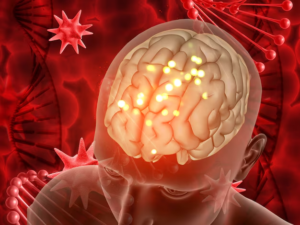
Ayurvedic Approach to Encephalitis: A Holistic Healing Path is a serious medical condition characterized by inflammation... Continue reading
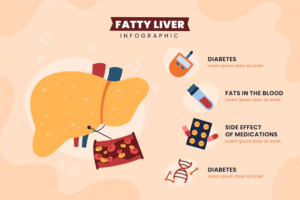
Ayurvedic Approach to Managing Fatty Liver Disease (NAFLD), particularly Non-Alcoholic Fatty Liver Disease (NAFLD), has emerged... Continue reading
Hematuria and Ayurvedic Treatment: A Comprehensive Guide to Understanding and Managing Blood in Urine the presence... Continue reading
Add comment