
No products in the cart.
Return To ShopUnderstanding Psoriasis and Ayurveda: A Comprehensive Guide
Understanding Psoriasis and Ayurveda: A Comprehensive Guide is a chronic skin condition that affects millions worldwide, causing red, scaly patches to appear on various parts of the body. While conventional treatments can offer relief, many individuals are exploring alternative approaches, such as Ayurveda, an ancient system of medicine from India. Ayurveda offers a holistic view of health, focusing on balancing the body’s energies to promote overall well-being. This blog will delve into how Ayurveda addresses psoriasis, exploring its principles, potential remedies, and lifestyle changes that may help manage this condition.
What is Psoriasis?
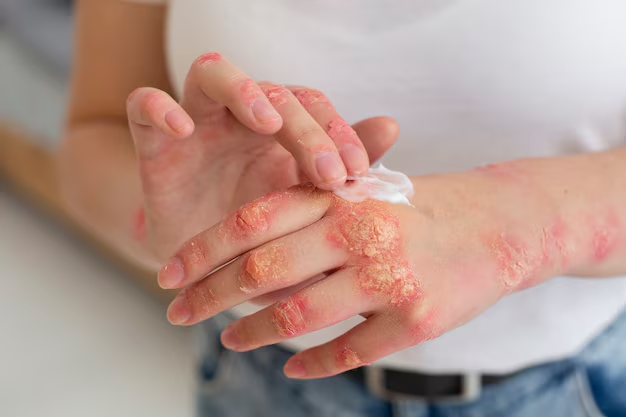
Psoriasis is an autoimmune disorder where the immune system triggers the rapid growth of skin cells. This results in thick, scaly patches that can be itchy, painful, and sometimes inflamed. The exact cause of psoriasis is not entirely understood, but it is believed to be influenced by genetic and environmental factors.
Common types of psoriasis include:
- Plaque Psoriasis: Characterized by dry, raised, red skin lesions covered with silvery scales.
- Nail Psoriasis: Affects the fingernails and toenails, leading to pitting, abnormal nail growth, or discoloration.
- Guttate Psoriasis: Often starts in childhood or young adulthood, presenting as small, water-drop-shaped, scaling lesions.
- Inverse Psoriasis: Causes bright red, shiny, and smooth patches of skin, often in skin folds.
The Ayurvedic Perspective on Psoriasis
Ayurveda, meaning “the science of life,” is an ancient holistic system that seeks to balance the body’s energies, known as doshas. The three primary doshas are:
- Vata: Associated with air and space; governs movement and communication.
- Pitta: Linked to fire and water; controls metabolism and digestion.
- Kapha: Related to earth and water; maintains structure and lubrication.
According to Ayurveda, psoriasis is often linked to an imbalance in the Pitta dosha, which governs the body’s metabolic processes and heat. An excess of Pitta can lead to inflammation and irritation in the skin, contributing to psoriasis symptoms.
Ayurvedic Diagnosis and Treatment
Ayurvedic treatment involves a thorough diagnosis based on the individual’s constitution (Prakriti), current imbalances (Vikriti), and specific symptoms. An Ayurvedic practitioner will assess these factors to create a personalized treatment plan. The following are some common Ayurvedic approaches for managing psoriasis:
1. Dietary Adjustments
Diet plays a crucial role in Ayurveda. For psoriasis, balancing the Pitta dosha is essential. This can be achieved by incorporating cooling and anti-inflammatory foods while avoiding those that may exacerbate Pitta imbalances.
- Cooling Foods: Include cucumbers, melons, and leafy greens.
- Anti-Inflammatory Spices: Turmeric, coriander, and fennel can help reduce inflammation.
- Avoid: Spicy, oily, and acidic foods which can aggravate Pitta.
2. Herbal Remedies
Ayurveda utilizes various herbs to balance the doshas and promote skin health. Some commonly recommended herbs for psoriasis include:
- Turmeric (Curcuma longa): Known for its anti-inflammatory and antioxidant properties.
- Neem (Azadirachta indica): Has detoxifying and skin-healing qualities.
- Aloe Vera: Provides cooling and soothing effects on the skin.
- Ashwagandha (Withania somnifera): Helps in reducing stress and balancing the immune system.
Herbal formulations can be used both topically and internally, depending on the specific needs and recommendations of the Ayurvedic practitioner.
3. Panchakarma Therapy
Panchakarma is a set of therapeutic procedures aimed at detoxifying the body and balancing doshas. For psoriasis, the following Panchakarma treatments may be beneficial:
- Virechana (Purgation Therapy): Helps in cleansing the digestive system and reducing excess Pitta.
- Abhyanga (Oil Massage): Involves the application of medicated oils to nourish and soothe the skin.
- Shirodhara: A calming therapy where warm oil is poured on the forehead, promoting relaxation and mental clarity.
4. Lifestyle Modifications
Lifestyle plays a significant role in maintaining balance and managing psoriasis. Some Ayurvedic recommendations include:
- Stress Management: Practices such as meditation, yoga, and breathing exercises can help in reducing stress, which may trigger or worsen psoriasis.
- Regular Exercise: Gentle exercises like walking, swimming, or yoga can help maintain overall health and balance doshas.
- Adequate Sleep: Ensure regular and restful sleep to support the body’s natural healing processes.
Potential Benefits of Ayurvedic Treatment for Psoriasis
- Holistic Approach: Ayurveda considers the individual’s overall health, addressing the root cause of the imbalance rather than just the symptoms.
- Personalized Treatment: Ayurvedic treatments are tailored to the individual’s specific constitution and current health status.
- Natural Remedies: Use of herbs and natural therapies can be a gentle alternative or complement to conventional treatments.
Considerations and Precautions
While Ayurveda offers promising approaches for managing psoriasis, it is essential to approach treatment with caution:
- Consult a Professional: Always seek guidance from a qualified Ayurvedic practitioner to ensure that treatments are appropriate for your condition.
- Monitor for Allergies: Some herbal remedies may cause allergic reactions in certain individuals. Conduct a patch test before applying new herbal preparations.
- Combine with Conventional Treatments: Ayurveda can be used alongside conventional treatments for a more comprehensive approach, but always inform your healthcare provider of any new treatments you are considering.
Conclusion
Psoriasis can be a challenging condition, but exploring Ayurveda offers a holistic approach to managing and potentially alleviating symptoms. By focusing on balancing the doshas, adopting a suitable diet, using herbal remedies, and integrating lifestyle changes, individuals may find relief and improved quality of life. However, it’s crucial to work with both Ayurvedic and conventional healthcare providers to develop a well-rounded treatment plan tailored to individual needs.
Remember, managing psoriasis is a journey, and integrating various approaches thoughtfully and with professional guidance can help you achieve better control over the condition and enhance your overall well-being.


About author

Related posts

Atrial Fibrillation and Ayurveda: A Natural Path to Heart Health is a common heart condition that... Continue reading
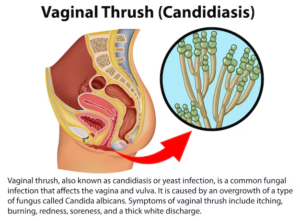
Ayurvedic Treatment for Candida Infection: A Comprehensive Guide are a common and often troublesome health issue,... Continue reading
Ayurvedic Approach to Encephalitis: A Holistic Healing Path is a serious medical condition characterized by inflammation... Continue reading

Ayurvedic Approach to Managing Fatty Liver Disease (NAFLD), particularly Non-Alcoholic Fatty Liver Disease (NAFLD), has emerged... Continue reading
Hematuria and Ayurvedic Treatment: A Comprehensive Guide to Understanding and Managing Blood in Urine the presence... Continue reading
Add comment