
No products in the cart.
Return To ShopParkinson’s Disease and Ayurveda: A Holistic Approach to Managing Symptoms
Parkinson’s Disease and Ayurveda: A Holistic Approach to Managing Symptoms is a progressive neurological disorder that primarily affects movement control. Characterized by tremors, rigidity, bradykinesia (slowness of movement), and postural instability, Parkinson’s Disease presents a significant challenge for patients and their caregivers. While conventional medicine offers several treatment options, including medication and surgical interventions, many individuals seek complementary therapies to manage symptoms and enhance their quality of life. Ayurveda, the traditional system of medicine from India, provides a holistic approach to managing Parkinson’s Disease, emphasizing balance, lifestyle changes, and natural remedies.
Understanding Parkinson’s Disease
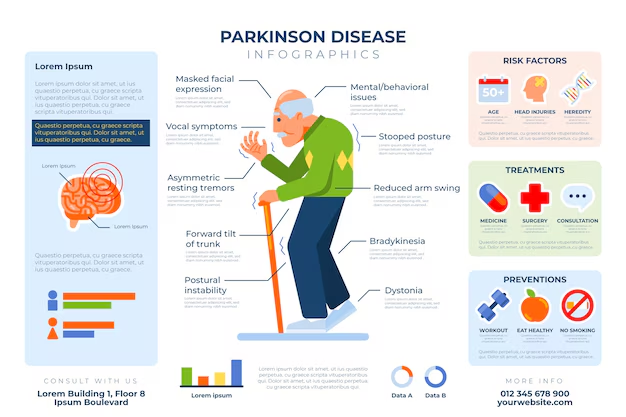
Parkinson’s Disease is primarily caused by the degeneration of dopamine-producing neurons in the brain. Dopamine is a neurotransmitter that plays a critical role in coordinating smooth and controlled movements. As these neurons deteriorate, the brain’s ability to regulate movement becomes impaired, leading to the characteristic symptoms of Parkinson’s Disease.
The exact cause of this neurodegeneration remains unknown, but factors such as genetic predisposition, environmental toxins, and oxidative stress are believed to contribute to the disease’s development. Parkinson’s Disease typically manifests in individuals over the age of 60, although early-onset Parkinson’s can occur in younger individuals.
Ayurveda: An Overview
Ayurveda, often translated as the “science of life,” is a traditional Indian system of medicine that dates back over 5,000 years. It is based on the concept of balance among the body’s three fundamental energies, or doshas: Vata, Pitta, and Kapha. Each dosha represents a combination of the five elements (earth, water, fire, air, and ether) and governs specific physiological and psychological functions.
- Vata Dosha: Associated with movement, dryness, and irregularity.
- Pitta Dosha: Linked to metabolism, heat, and transformation.
- Kapha Dosha: Connected with stability, moisture, and structure.
In Ayurveda, health is defined as a state of equilibrium between these doshas. Disease arises from an imbalance among them, and treatment aims to restore balance through diet, lifestyle changes, herbal remedies, and therapies.
Parkinson’s Disease from an Ayurvedic Perspective
In Ayurveda, Parkinson’s Disease is often correlated with an imbalance in the Vata dosha, which governs movement and nervous system function. The symptoms of Parkinson’s Disease, such as tremors, rigidity, and difficulty in movement, align with the characteristics of an aggravated Vata dosha. Therefore, the Ayurvedic approach focuses on pacifying Vata, improving neurological function, and supporting overall well-being.
Key Ayurvedic Principles for Managing Parkinson’s Disease
- Balancing Vata Dosha:
- Diet: Emphasize warm, moist, and easily digestible foods to counteract the dryness and irregularity associated with Vata imbalance. Include soups, stews, and cooked vegetables in your diet. Favor sweet, sour, and salty tastes, which help balance Vata.
- Lifestyle: Maintain a regular routine with consistent meal times, sleep schedules, and physical activities. Practices such as gentle yoga and meditation can help stabilize Vata and improve overall well-being.
- Abhyanga (Oil Massage): Regular self-massage with warm, nourishing oils such as sesame oil can help calm Vata and improve circulation. This practice also supports joint and muscle health, which is beneficial for managing rigidity and stiffness.
- Supporting Neurological Function:
- Herbal Remedies: Certain Ayurvedic herbs are believed to support brain health and function. For example, Brahmi (Bacopa monnieri) is known for its cognitive-enhancing properties and can help improve memory and concentration. Ashwagandha (Withania somnifera) is another herb used to support nervous system health and reduce stress.
- Medhya Rasayana: This is a class of Ayurvedic herbs and formulations specifically designed to enhance mental clarity and neurological function. It often includes herbs like Shankhpushpi (Convolvulus pluricaulis) and Gotu Kola (Centella asiatica).
- Enhancing Digestive Health:
- Agni (Digestive Fire): In Ayurveda, a strong digestive system is crucial for overall health. Consuming foods that support Agni, such as ginger, turmeric, and cumin, can aid in digestion and nutrient absorption.
- Panchakarma Therapy: This traditional detoxification process involves a series of therapeutic procedures, including oil massage, steam therapy, and cleansing techniques. Panchakarma aims to eliminate toxins, balance doshas, and rejuvenate the body.
- Mental and Emotional Support:
- Yoga and Meditation: These practices can help manage stress, enhance mental clarity, and improve overall well-being. Specific yoga poses and breathing exercises can aid in improving motor function and flexibility.
- Sattvic Lifestyle: Embrace a lifestyle that promotes mental peace, positivity, and spiritual growth. This includes maintaining a balanced diet, avoiding excessive stress, and engaging in activities that bring joy and fulfillment.
Integrating Ayurveda with Conventional Treatment
While Ayurveda offers valuable insights and therapies for managing Parkinson’s Disease, it is essential to integrate these approaches with conventional medical treatments. Ayurveda should complement rather than replace conventional therapies such as medication, physical therapy, and surgical interventions.
Collaboration between healthcare providers and Ayurvedic practitioners is crucial for developing a comprehensive treatment plan. A multidisciplinary approach ensures that patients receive the best of both worlds, combining the benefits of conventional medicine with the holistic principles of Ayurveda.
Practical Tips for Incorporating Ayurveda into Your Routine
- Consult an Ayurvedic Practitioner: Before starting any new treatment or therapy, seek guidance from a qualified Ayurvedic practitioner. They can assess your individual constitution, identify imbalances, and recommend personalized treatments.
- Start with Small Changes: Incorporate Ayurvedic practices gradually into your daily routine. Begin with dietary adjustments, gentle exercises, and relaxation techniques. Monitor your progress and make adjustments as needed.
- Track Your Symptoms: Keep a journal to record changes in symptoms, mood, and overall well-being. This information can help both conventional and Ayurvedic practitioners tailor your treatment plan.
- Maintain Open Communication: Keep your primary healthcare provider informed about any Ayurvedic treatments you are using. This ensures coordinated care and minimizes potential interactions with conventional medications.
Conclusion
Parkinson’s Disease and Ayurveda: A Holistic Approach to Managing Symptoms presents significant challenges, but a holistic approach can enhance symptom management and overall quality of life. Ayurveda offers valuable insights into balancing the Vata dosha, supporting neurological function, and promoting overall well-being. By integrating Ayurvedic principles with conventional treatments, individuals with Parkinson’s Disease can benefit from a comprehensive and personalized approach to care.
Embracing Ayurveda requires a commitment to lifestyle changes, dietary adjustments, and natural remedies. With the guidance of qualified practitioners and a collaborative approach to treatment, individuals can find effective ways to manage Parkinson’s Disease and lead fulfilling lives.

About author

Related posts

Atrial Fibrillation and Ayurveda: A Natural Path to Heart Health is a common heart condition that... Continue reading
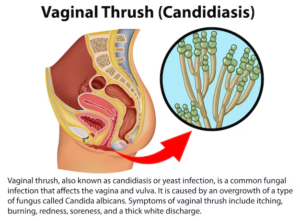
Ayurvedic Treatment for Candida Infection: A Comprehensive Guide are a common and often troublesome health issue,... Continue reading
Ayurvedic Approach to Encephalitis: A Holistic Healing Path is a serious medical condition characterized by inflammation... Continue reading
Ayurvedic Approach to Managing Fatty Liver Disease (NAFLD), particularly Non-Alcoholic Fatty Liver Disease (NAFLD), has emerged... Continue reading
Hematuria and Ayurvedic Treatment: A Comprehensive Guide to Understanding and Managing Blood in Urine the presence... Continue reading
Add comment