
No products in the cart.
Return To ShopUnderstanding Pneumonia and Ayurvedic Approaches to Treatment
Understanding Pneumonia and Ayurvedic Approaches to Treatment is an inflammatory condition of the lungs that affects millions of people worldwide. While conventional medicine provides effective treatments for pneumonia, many people are turning to complementary and alternative approaches, including Ayurveda, for a holistic and supportive treatment.
Ayurveda, the ancient system of medicine that originated in India over 5,000 years ago, offers a unique perspective on health and illness. It emphasizes the balance of the body’s energies, known as doshas, and uses a combination of diet, herbal remedies, lifestyle changes, and therapies to restore and maintain health. This blog will explore the Ayurvedic approach to treating pneumonia, including its principles, diagnostic methods, and specific treatments.
Understanding Pneumonia in Ayurveda
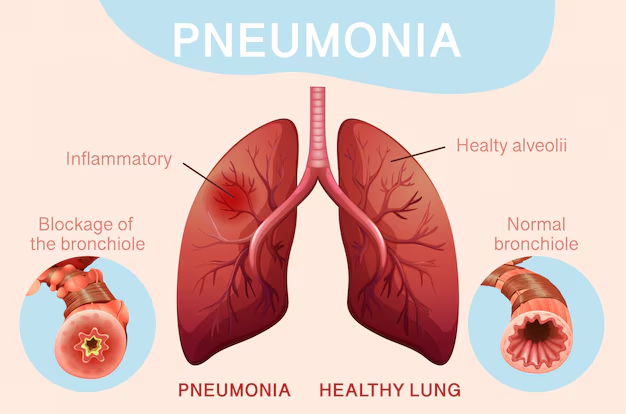
In Ayurveda, pneumonia is often associated with an imbalance in the body’s doshas. According to Ayurvedic principles, there are three primary doshas: Vata, Pitta, and Kapha. Each dosha represents a combination of the five elements (earth, water, fire, air, and space) and governs different physiological and psychological functions.
Dosha Imbalance and Pneumonia
- Kapha Dosha: Pneumonia is typically linked to an imbalance in Kapha dosha. Kapha is composed of earth and water elements and is responsible for stability, structure, and lubrication in the body. When Kapha becomes imbalanced, it can lead to excessive mucus production, congestion, and inflammation in the lungs, which are characteristic of pneumonia.
- Vata and Pitta Doshas: While Kapha is the primary dosha involved, Vata and Pitta doshas can also play a role in the disease. Vata dosha, associated with the air element, can contribute to dryness and irregular breathing patterns. Pitta dosha, linked to the fire element, can exacerbate symptoms like fever and inflammation.
Ayurvedic Diagnosis
Ayurveda employs a comprehensive diagnostic approach that includes a detailed assessment of the patient’s symptoms, medical history, and lifestyle. Key diagnostic tools in Ayurveda include:
- Pulse Diagnosis (Nadi Pariksha): By examining the pulse, an Ayurvedic practitioner can gain insights into the state of the doshas and identify imbalances.
- Tongue and Skin Examination: The appearance of the tongue and skin can provide clues about the state of internal health and dosha imbalances.
- Patient History and Symptom Review: A thorough review of the patient’s symptoms, dietary habits, lifestyle, and emotional state helps in forming a holistic treatment plan.
Ayurvedic Treatment Approaches for Pneumonia
Ayurvedic treatment for pneumonia aims to restore balance to the doshas, strengthen the immune system, and support overall lung health. The treatment plan typically includes dietary recommendations, herbal remedies, lifestyle changes, and therapeutic procedures.
1. Dietary Recommendations
Diet plays a crucial role in Ayurveda, and certain foods can help alleviate pneumonia symptoms by balancing the doshas and supporting lung health. Key dietary recommendations include:
- Warm and Light Foods: Opt for warm, easily digestible foods like soups, broths, and steamed vegetables. These foods help to reduce Kapha accumulation and support the digestive system.
- Spices and Herbs: Incorporate spices such as ginger, turmeric, and black pepper into your diet. These spices have anti-inflammatory and expectorant properties that can help clear mucus and support the respiratory system.
- Avoid Heavy and Cold Foods: Cold, heavy, and oily foods can exacerbate Kapha imbalances. Avoid dairy products, fried foods, and foods high in sugar.
2. Herbal Remedies
Ayurveda utilizes a range of herbs to treat pneumonia and support respiratory health. Some commonly used herbs include:
- Tulsi (Holy Basil): Tulsi is renowned for its immune-boosting and anti-inflammatory properties. It helps to clear congestion and support respiratory function.
- Licorice Root (Yashtimadhu): Licorice root has soothing properties and can help reduce inflammation and irritation in the respiratory tract.
- Pippali: Pippali is a potent herb that enhances the absorption of other herbs and helps in clearing mucus from the lungs.
- Ginger: Ginger has warming properties that can help alleviate congestion and improve respiratory function.
Herbal remedies are often used in combination to create a customized treatment plan based on the individual’s dosha imbalance and symptoms. It is essential to consult with a qualified Ayurvedic practitioner to determine the appropriate herbs and dosages for your condition.
3. Lifestyle Changes
Ayurvedic lifestyle recommendations focus on promoting overall health and balancing the doshas. For pneumonia, consider the following lifestyle changes:
- Adequate Rest: Rest is crucial for recovery from pneumonia. Ensure you get plenty of sleep and avoid overexertion.
- Breathing Exercises (Pranayama): Gentle breathing exercises can help strengthen the lungs and improve respiratory function. Practices like Anulom Vilom (alternate nostril breathing) and Bhastrika (bellows breath) can be beneficial.
- Regular Exercise: Once you have recovered, incorporating moderate exercise into your routine can help maintain lung health and prevent future respiratory issues.
- Avoid Exposure to Cold and Damp Environments: Cold and damp conditions can aggravate Kapha imbalances. Dress warmly and avoid exposure to cold weather and excessive humidity.
4. Therapeutic Procedures
Ayurvedic therapies can be used to support recovery and balance the doshas. Some therapeutic procedures include:
- Steam Inhalation: Inhaling steam infused with essential oils or herbs can help clear mucus and soothe the respiratory tract.
- Abhyanga (Oil Massage): Regular oil massage with warm oils like sesame or coconut can help improve circulation, support immune function, and balance the doshas.
- Nasya (Nasal Administration of Oils): Nasya involves the administration of medicated oils through the nasal passages. It can help clear nasal congestion and improve overall respiratory health.
Integrating Ayurveda with Conventional Medicine
While Ayurveda offers valuable insights and treatments for pneumonia, it is essential to integrate these approaches with conventional medical care. Pneumonia can be a serious condition requiring prompt medical attention, and conventional treatments such as antibiotics, antiviral medications, and supportive care are often necessary.
Ayurveda can complement conventional treatments by supporting overall health, boosting the immune system, and alleviating symptoms. It is crucial to work with both an Ayurvedic practitioner and a medical doctor to ensure a comprehensive and safe treatment plan.
Conclusion
Pneumonia is a challenging condition that requires a multifaceted approach to treatment. Ayurveda offers valuable tools and insights for managing pneumonia by addressing dosha imbalances, supporting lung health, and enhancing overall well-being. By combining Ayurvedic practices with conventional medical care, individuals can achieve a balanced and holistic approach to recovery.
If you or someone you know is dealing with pneumonia, consider exploring Ayurvedic remedies and lifestyle changes as part of a comprehensive treatment plan. Always consult with qualified practitioners and healthcare providers to ensure that your approach to treatment is safe and effective.
Incorporating Ayurvedic principles into your health regimen can offer a deeper understanding of your body’s needs and support a more balanced and harmonious state of health.
About author

Related posts

Atrial Fibrillation and Ayurveda: A Natural Path to Heart Health is a common heart condition that... Continue reading
Ayurvedic Treatment for Candida Infection: A Comprehensive Guide are a common and often troublesome health issue,... Continue reading
Ayurvedic Approach to Encephalitis: A Holistic Healing Path is a serious medical condition characterized by inflammation... Continue reading

Ayurvedic Approach to Managing Fatty Liver Disease (NAFLD), particularly Non-Alcoholic Fatty Liver Disease (NAFLD), has emerged... Continue reading
Hematuria and Ayurvedic Treatment: A Comprehensive Guide to Understanding and Managing Blood in Urine the presence... Continue reading
Add comment