
No products in the cart.
Return To ShopIdentifying Dosha Imbalances Causing Pain: A Comprehensive Guide
Identifying Dosha Imbalances Causing Pain: A Comprehensive Guide the concept of doshas—Vata, Pitta, and Kapha—plays a crucial role in understanding our health and well-being. Each dosha represents a combination of the five elements (earth, water, fire, air, and ether) and governs various physiological and psychological functions in the body. When these doshas are balanced, they promote optimal health. However, when imbalanced, they can lead to various health issues, including pain. This blog will explore how dosha imbalances contribute to pain and provide insights into identifying and addressing these imbalances for a healthier, pain-free life.
Understanding the Doshas
1. Vata Dosha
- Elements: Air and Ether
- Characteristics: Dry, light, cool, irregular, and mobile
- Functions: Governs movement, including circulation, respiration, and elimination. It also influences the nervous system and mental activity.
2. Pitta Dosha
- Elements: Fire and Water
- Characteristics: Hot, sharp, oily, liquid, and light
- Functions: Controls metabolism, digestion, and transformation in the body. It also governs the body’s temperature and the digestive fire (Agni).
3. Kapha Dosha
- Elements: Earth and Water
- Characteristics: Heavy, slow, steady, solid, and cold
- Functions: Provides structure and lubrication to the body. It also maintains bodily fluids, immunity, and stability.
How Dosha Imbalances Cause Pain

When doshas are out of balance, they can manifest as physical or emotional pain. Here’s how each dosha imbalance might lead to pain:
1. Vata Imbalance
- Characteristics of Imbalance: Vata imbalance often leads to dryness, irregularity, and coldness in the body. Symptoms might include joint pain, dryness of skin, constipation, and anxiety.
- Pain Manifestations:
- Joint Pain: Due to Vata’s drying and mobile qualities, imbalances can lead to joint pain or stiffness. Conditions like arthritis can be exacerbated by an aggravated Vata.
- Muscle Cramps: Vata’s irregularity can lead to muscle cramps or spasms.
- Digestive Issues: Constipation and bloating can result from Vata imbalances, causing abdominal pain.
2. Pitta Imbalance
- Characteristics of Imbalance: Pitta imbalance often results in excessive heat, acidity, and inflammation in the body. Symptoms may include irritability, inflammation, heartburn, and skin rashes.
- Pain Manifestations:
- Inflammatory Pain: Conditions such as arthritis or gout can be aggravated by excessive Pitta, leading to inflammation and pain.
- Acid Reflux: An increase in Pitta can lead to acid reflux or heartburn, causing a burning sensation in the chest and throat.
- Skin Issues: Rashes, acne, or eczema can flare up due to excess heat in the body.
3. Kapha Imbalance
- Characteristics of Imbalance: Kapha imbalance results in heaviness, congestion, and stagnation in the body. Symptoms may include lethargy, excess mucus, weight gain, and depression.
- Pain Manifestations:
- Chronic Pain: Conditions like fibromyalgia or chronic fatigue syndrome can be linked to Kapha imbalances, leading to generalized body pain and stiffness.
- Sinus Congestion: Excess mucus and congestion can cause sinus headaches and facial pain.
- Joint Pain: Due to excess accumulation of fluid and stagnation, joint pain and stiffness may occur.
Identifying Dosha Imbalances
To address dosha imbalances effectively, it is crucial to identify which dosha is out of balance. Here’s how to identify these imbalances through symptoms, lifestyle, and habits:
1. Vata Imbalance Identification
- Symptoms: Dry skin, constipation, insomnia, anxiety, irregular appetite, and joint pain.
- Lifestyle Factors: Excessive travel, irregular eating habits, and exposure to cold weather can aggravate Vata.
- Diagnostic Tools: Ayurvedic practitioners often use pulse diagnosis, tongue examination, and observation of overall symptoms to determine Vata imbalances.
2. Pitta Imbalance Identification
- Symptoms: Acid reflux, inflammation, irritability, acne, and excessive sweating.
- Lifestyle Factors: High-stress levels, excessive exposure to heat, and consumption of spicy or acidic foods can aggravate Pitta.
- Diagnostic Tools: Observations of skin conditions, digestive issues, and emotional state, along with pulse and tongue examination, help in diagnosing Pitta imbalances.
3. Kapha Imbalance Identification
- Symptoms: Weight gain, lethargy, sinus congestion, excessive mucus, and depression.
- Lifestyle Factors: Sedentary lifestyle, overeating, and excessive sleep can aggravate Kapha.
- Diagnostic Tools: Observations of body weight, mucus production, and overall energy levels, along with pulse and tongue examination, assist in diagnosing Kapha imbalances.
Balancing Doshas to Alleviate Pain
Once you have identified the dosha imbalance, the next step is to implement strategies to bring the dosha back into balance and alleviate pain. Here are some general recommendations:
1. Balancing Vata
- Diet: Favor warm, moist, and oily foods. Include soups, stews, and healthy fats. Avoid raw, cold, and dry foods.
- Lifestyle: Establish a regular routine with consistent meal times and adequate sleep. Practice grounding activities like yoga and meditation.
- Herbs: Ashwagandha, ginger, and licorice can help balance Vata.
2. Balancing Pitta
- Diet: Opt for cool, calming, and mildly spicy foods. Incorporate dairy products, cucumbers, and mint. Avoid hot, spicy, and acidic foods.
- Lifestyle: Reduce stress through relaxation techniques and avoid excessive heat. Engage in calming activities like swimming or walking in nature.
- Herbs: Aloe vera, coriander, and peppermint can help balance Pitta.
3. Balancing Kapha
- Diet: Favor light, dry, and warming foods. Include spices like ginger, black pepper, and turmeric. Avoid heavy, oily, and sweet foods.
- Lifestyle: Engage in regular exercise, stay active, and avoid excessive sleep. Incorporate stimulating activities like hiking or dancing.
- Herbs: Trikatu, turmeric, and ginger can help balance Kapha.
Conclusion
Identifying Dosha Imbalances Causing Pain: A Comprehensive Guide can be a powerful tool in addressing and alleviating pain. By recognizing the signs of Vata, Pitta, and Kapha imbalances and implementing targeted lifestyle and dietary changes, you can restore balance to your doshas and improve your overall well-being. If you are struggling with persistent pain or dosha imbalances, consulting an Ayurvedic practitioner can provide personalized guidance and treatment to help you achieve optimal health. Embracing these ancient principles of Ayurveda can lead to a more balanced, pain-free life, harmonizing your body, mind, and spirit.


About author

Related posts
Atrial Fibrillation and Ayurveda: A Natural Path to Heart Health is a common heart condition that... Continue reading
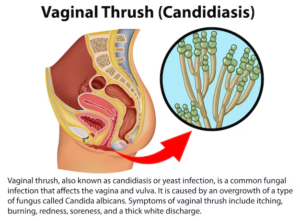
Ayurvedic Treatment for Candida Infection: A Comprehensive Guide are a common and often troublesome health issue,... Continue reading
Ayurvedic Approach to Encephalitis: A Holistic Healing Path is a serious medical condition characterized by inflammation... Continue reading
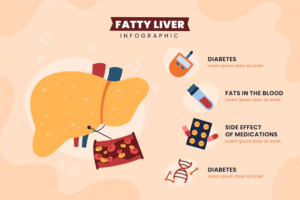
Ayurvedic Approach to Managing Fatty Liver Disease (NAFLD), particularly Non-Alcoholic Fatty Liver Disease (NAFLD), has emerged... Continue reading
Hematuria and Ayurvedic Treatment: A Comprehensive Guide to Understanding and Managing Blood in Urine the presence... Continue reading
Add comment