
No products in the cart.
Return To ShopUnderstanding Menopause and Women’s Hormonal Balance: A Comprehensive Guide
Understanding Menopause and Women’s Hormonal Balance: A Comprehensive Guide menopause is a significant phase in a woman’s life, marking the end of her reproductive years. It typically occurs between the ages of 45 and 55, but the timing can vary widely. Understanding menopause and its impact on hormonal balance is crucial for navigating this transition with confidence and health. This blog aims to provide a detailed exploration of menopause, its effects on hormonal balance, and practical strategies for managing this life stage effectively.
What is Menopause?

Menopause is defined as the cessation of menstruation for 12 consecutive months and is diagnosed retrospectively. It signifies the end of ovarian follicle activity, leading to a decrease in estrogen and progesterone production. The process of menopause is gradual and is often divided into three phases:
- Perimenopause: This phase can start several years before menopause, usually in a woman’s 40s, and is characterized by irregular menstrual cycles and fluctuating hormone levels. Women may experience symptoms such as hot flashes, night sweats, and mood swings.
- Menopause: This is the point at which a woman has not had a menstrual period for 12 consecutive months. Hormone levels have significantly decreased, leading to the end of menstruation.
- Postmenopause: This phase begins after menopause and lasts for the rest of a woman’s life. Symptoms from the earlier phases may continue, but they often diminish over time.
Hormonal Changes During Menopause
The hallmark of menopause is a dramatic shift in hormonal balance. Key hormones affected include estrogen, progesterone, and testosterone. Here’s a closer look at each:
- Estrogen: This hormone, primarily produced by the ovaries, plays a crucial role in regulating the menstrual cycle and maintaining reproductive health. As menopause approaches, estrogen levels decline, leading to common symptoms like hot flashes and vaginal dryness. Reduced estrogen can also impact bone density, increasing the risk of osteoporosis.
- Progesterone: Produced alongside estrogen, progesterone helps regulate the menstrual cycle and prepare the uterus for pregnancy. As estrogen levels fall, progesterone levels drop as well, contributing to symptoms like irregular periods and sleep disturbances.
- Testosterone: Although typically considered a male hormone, testosterone is also present in women and contributes to libido and energy levels. During menopause, testosterone levels may also decrease, affecting sexual desire and overall vitality.
Symptoms of Menopause
Menopause affects each woman differently, but common symptoms include:
- Hot Flashes and Night Sweats: Sudden feelings of warmth, often accompanied by sweating, are a hallmark symptom. Night sweats can lead to disrupted sleep.
- Mood Swings: Hormonal fluctuations can impact mood, leading to irritability, anxiety, or depression.
- Vaginal Dryness and Discomfort: Reduced estrogen levels can cause thinning of the vaginal walls, leading to dryness and discomfort during intercourse.
- Sleep Disturbances: Changes in hormone levels can affect sleep patterns, causing insomnia or frequent awakenings.
- Memory Problems and Difficulty Concentrating: Cognitive changes can occur, often described as “brain fog,” affecting memory and concentration.
Managing Menopause and Hormonal Imbalances
While menopause is a natural transition, its symptoms can be challenging. There are various strategies to manage these changes effectively:
1. Lifestyle Modifications
- Diet: A balanced diet rich in calcium and vitamin D can help maintain bone health. Foods like leafy greens, nuts, seeds, and fish are beneficial. Limiting caffeine and alcohol can also help manage symptoms like hot flashes.
- Exercise: Regular physical activity supports overall health and can alleviate symptoms such as mood swings and sleep disturbances. Activities like walking, swimming, and yoga are particularly beneficial.
- Stress Management: Techniques such as mindfulness, meditation, and deep-breathing exercises can help manage stress and improve emotional well-being.
2. Hormone Replacement Therapy (HRT)
HRT involves taking medications that replace estrogen and progesterone to alleviate menopausal symptoms. It can be effective for managing hot flashes, vaginal dryness, and other symptoms. However, HRT is not suitable for everyone and carries potential risks, such as an increased risk of blood clots and breast cancer. It’s important to discuss the benefits and risks with a healthcare provider to determine if HRT is appropriate for you.
3. Non-Hormonal Medications
For women who cannot or choose not to use HRT, non-hormonal medications can provide symptom relief. Options include:
- Antidepressants: Certain antidepressants, such as selective serotonin reuptake inhibitors (SSRIs), can help manage mood swings and hot flashes.
- Anticonvulsants: Medications like gabapentin can reduce hot flashes.
- Vaginal Moisturizers and Lubricants: These can alleviate vaginal dryness and discomfort during intercourse.
4. Alternative Therapies
Some women find relief from menopause symptoms through alternative therapies, although scientific evidence varies. These include:
- Herbal Supplements: Black cohosh, red clover, and evening primrose oil are commonly used, but their effectiveness and safety can vary. Always consult with a healthcare provider before starting any supplement.
- Acupuncture: This traditional Chinese medicine technique may help manage symptoms like hot flashes and mood swings.
Long-Term Health Considerations
Menopause brings changes that can impact long-term health. Key areas to focus on include:
- Bone Health: The decline in estrogen increases the risk of osteoporosis. Regular weight-bearing exercises, adequate calcium and vitamin D intake, and bone density screening can help manage this risk.
- Cardiovascular Health: Postmenopausal women have an increased risk of heart disease. Maintaining a healthy diet, regular exercise, and monitoring blood pressure and cholesterol levels are important for heart health.
- Mental Health: The hormonal changes of menopause can impact mental well-being. Seeking support from a counselor or therapist can be beneficial if you experience significant mood changes or depression.
Conclusion
Menopause is a natural transition in a woman’s life, characterized by significant hormonal changes. Understanding these changes and their effects on the body can help women navigate this phase with greater ease. From lifestyle modifications and medical treatments to alternative therapies, there are various strategies available to manage symptoms and maintain health.
It’s essential to approach menopause with an open mind and to seek personalized advice from healthcare professionals. By staying informed and proactive, women can embrace this stage of life with confidence and continue to lead healthy, fulfilling lives.


About author

Related posts
Atrial Fibrillation and Ayurveda: A Natural Path to Heart Health is a common heart condition that... Continue reading
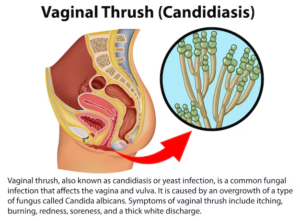
Ayurvedic Treatment for Candida Infection: A Comprehensive Guide are a common and often troublesome health issue,... Continue reading
Ayurvedic Approach to Encephalitis: A Holistic Healing Path is a serious medical condition characterized by inflammation... Continue reading
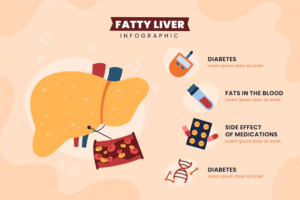
Ayurvedic Approach to Managing Fatty Liver Disease (NAFLD), particularly Non-Alcoholic Fatty Liver Disease (NAFLD), has emerged... Continue reading
Hematuria and Ayurvedic Treatment: A Comprehensive Guide to Understanding and Managing Blood in Urine the presence... Continue reading
Add comment