
No products in the cart.
Return To ShopAyurveda and Women’s Health: Unique Considerations
Ayurveda and Women’s Health: Unique Considerations in the quest for holistic well-being, Ayurveda stands out as an ancient system of medicine that has guided countless individuals toward balance and health. Rooted in the Vedic traditions of India, Ayurveda offers a comprehensive approach to wellness, emphasizing harmony between the body, mind, and spirit. For women, Ayurveda provides unique insights and practices tailored to their distinct physiological and emotional needs. This blog explores the intersection of Ayurveda and women’s health, highlighting the unique considerations and benefits this time-tested system offers.
Understanding Ayurveda

Ayurveda, which translates to “the science of life,” is based on the concept of balance. It posits that health is a state of equilibrium between three fundamental energies or doshas: Vata (air and ether), Pitta (fire and water), and Kapha (earth and water). These doshas govern various physiological and psychological functions. Each individual has a unique dosha constitution, known as Prakriti, which determines their physical and mental characteristics.
Ayurveda also emphasizes the importance of lifestyle, diet, and seasonal changes in maintaining balance. By aligning one’s lifestyle with their dosha constitution and the natural rhythms of the environment, Ayurveda aims to prevent disease and promote well-being.
Unique Considerations for Women
1. Hormonal Balance
One of the most significant aspects of women’s health in Ayurveda is managing hormonal balance. Ayurveda recognizes that women’s hormonal fluctuations throughout their life—such as menstruation, pregnancy, and menopause—can impact their overall health and well-being.
Menstrual Health
In Ayurveda, the menstrual cycle is linked to the doshas. For instance, a Vata imbalance can lead to irregular cycles, dryness, or cramping, while a Pitta imbalance might cause heavy bleeding or irritability. Kapha imbalances can result in excessive bleeding or lethargy. Ayurvedic treatments often include dietary adjustments, herbal remedies, and lifestyle practices to restore balance. For example, consuming warm, nourishing foods and herbs like Ashwagandha or Shatavari can help balance Vata and Pitta during menstruation.
Pregnancy
During pregnancy, Ayurveda emphasizes the importance of nurturing both the mother and the developing fetus. The goal is to ensure a healthy pregnancy by balancing the doshas and providing the body with essential nutrients. Ayurvedic practices during pregnancy include specific dietary recommendations, gentle exercise, and stress management techniques. Herbs like Ginger and Turmeric are commonly used to support digestion and overall health.
Menopause
Menopause is another critical phase where Ayurveda offers valuable insights. The transition through menopause can bring about significant changes, including hot flashes, mood swings, and sleep disturbances. Ayurveda suggests balancing the Pitta dosha, which is often elevated during this time. This can be achieved through cooling foods, herbal supplements like Brahmi, and practices that calm the mind and body.
2. Digestive Health
Digestive health, or Agni, is central to Ayurveda’s approach to women’s health. A well-functioning digestive system is believed to be the cornerstone of overall health. Women, in particular, may experience digestive disturbances related to hormonal changes, stress, or dietary habits.
Balancing Agni
Ayurveda provides guidelines for maintaining a healthy digestive fire (Agni) through proper diet and lifestyle. Women are encouraged to eat fresh, cooked meals, avoid overeating, and incorporate spices like cumin, coriander, and fennel into their diet. These practices support digestion and help maintain balance in the doshas.
Addressing Digestive Disorders
Conditions such as Irritable Bowel Syndrome (IBS) or bloating can be addressed through Ayurvedic remedies. For instance, Triphala, a blend of three fruits, is often recommended to promote digestive health and regular bowel movements. Adjusting one’s diet based on the current dosha imbalances is also crucial.
3. Mental and Emotional Well-being
Ayurveda places significant emphasis on mental and emotional health, recognizing that these aspects are deeply interconnected with physical health. For women, balancing emotions and managing stress are integral to maintaining overall well-being.
Stress Management
Ayurvedic practices such as Yoga, meditation, and Pranayama (breath control) are highly effective for managing stress. These practices help calm the nervous system and bring balance to the mind. Herbs like Ashwagandha and Brahmi are known for their adaptogenic properties, helping the body adapt to stress and maintain emotional stability.
Emotional Balance
Ayurveda also acknowledges the impact of emotions on health. Women may experience emotional fluctuations due to hormonal changes, societal pressures, or personal stressors. Ayurvedic principles suggest engaging in activities that promote emotional well-being, such as spending time in nature, practicing gratitude, and engaging in creative pursuits.
4. Skin Health
Skin health is another area where Ayurveda offers tailored guidance for women. The state of the skin is often seen as a reflection of internal health. Ayurveda categorizes skin types and conditions according to dosha imbalances.
Personalized Skincare
For instance, Vata skin types may experience dryness and flakiness, requiring moisturizing and hydrating treatments. Pitta skin types might be prone to inflammation or acne, benefiting from cooling and soothing ingredients. Kapha skin types may have oily or congested skin, which can be balanced with exfoliating and purifying treatments. Ayurvedic skincare routines often incorporate natural ingredients like Aloe Vera, Turmeric, and Neem to address specific skin concerns.
Lifestyle Factors
Ayurveda also emphasizes the role of lifestyle factors in maintaining healthy skin. Adequate sleep, hydration, and a balanced diet rich in antioxidants are crucial. Avoiding excessive sun exposure and incorporating stress-reducing practices can further support skin health.
Integrating Ayurveda into Daily Life
Integrating Ayurvedic principles into daily life can significantly enhance women’s health and well-being. Here are some practical tips:
1. Mindful Eating
Pay attention to your body’s needs and choose foods that align with your dosha constitution. Eat mindfully, savoring each bite, and avoid eating late at night.
2. Regular Exercise
Engage in physical activities that balance your doshas. For instance, Vata types may benefit from gentle, grounding exercises like Yoga, while Pitta types might enjoy moderate-intensity workouts to release excess heat.
3. Herbal Support
Consider incorporating Ayurvedic herbs into your routine based on your specific needs. Consult with an Ayurvedic practitioner to identify the most suitable herbs for your constitution and health concerns.
4. Self-Care Practices
Incorporate self-care rituals such as Abhyanga (self-massage with oils), daily meditation, and adequate rest to maintain balance and promote overall well-being.
Conclusion
Ayurveda and Women’s Health: Unique Considerations a holistic and personalized approach to women’s health, addressing their unique physiological and emotional needs. By understanding and applying Ayurvedic principles, women can achieve greater harmony and balance in their lives. Whether through managing hormonal fluctuations, supporting digestive health, or enhancing mental well-being, Ayurveda provides valuable tools for fostering overall health and vitality.
Embracing Ayurveda involves more than just following specific remedies; it is about adopting a lifestyle that honors the body’s natural rhythms and promotes long-term wellness. By integrating these ancient practices into modern life, women can unlock their full potential and experience a more balanced, fulfilling life.


About author

Related posts

Atrial Fibrillation and Ayurveda: A Natural Path to Heart Health is a common heart condition that... Continue reading
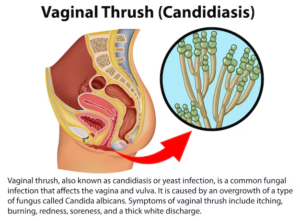
Ayurvedic Treatment for Candida Infection: A Comprehensive Guide are a common and often troublesome health issue,... Continue reading
Ayurvedic Approach to Encephalitis: A Holistic Healing Path is a serious medical condition characterized by inflammation... Continue reading
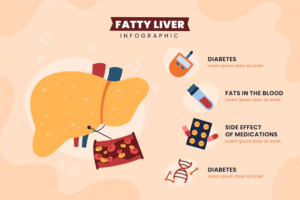
Ayurvedic Approach to Managing Fatty Liver Disease (NAFLD), particularly Non-Alcoholic Fatty Liver Disease (NAFLD), has emerged... Continue reading

Hematuria and Ayurvedic Treatment: A Comprehensive Guide to Understanding and Managing Blood in Urine the presence... Continue reading
Add comment