
No products in the cart.
Return To ShopHerbal First Aid Kits in Ayurveda: Nature’s Medicine Cabinet for Immediate Relief
Herbal First Aid Kits in Ayurveda: Nature’s Medicine Cabinet for Immediate Relief world of modern healthcare, the timeless wisdom of Ayurveda offers a refreshing perspective on wellness and first aid. This ancient Indian system of medicine integrates a holistic approach, emphasizing balance and harmony within the body, mind, and spirit. One of the remarkable aspects of Ayurveda is its use of herbal remedies for immediate relief and healing, akin to a first aid kit.
The Ayurvedic Approach to First Aid

Ayurveda, with its roots tracing back over 5,000 years, is a comprehensive system of medicine that focuses on the balance between the three doshas: Vata, Pitta, and Kapha. These doshas represent different combinations of the five elements—earth, water, fire, air, and ether—and govern various physiological and psychological functions in the body. The Ayurvedic approach to first aid involves addressing imbalances in these doshas and restoring harmony through natural remedies.
Essential Herbs for an Ayurvedic First Aid Kit
An Ayurvedic first aid kit is a collection of herbal remedies that can be used for various common ailments and injuries. Here are some essential herbs to consider for your kit:
1. Turmeric (Curcuma longa)
Turmeric is renowned for its potent anti-inflammatory and antiseptic properties. The active compound, curcumin, is a powerful anti-inflammatory that can help reduce pain and swelling. Turmeric paste can be applied topically to wounds, bruises, and minor burns to promote healing and prevent infection.
Usage:
- For Wounds: Mix turmeric powder with coconut oil to form a paste. Apply it directly to the wound to aid in healing and prevent infection.
- For Bruises: Combine turmeric with warm water and apply the paste to the bruised area to reduce swelling and pain.
2. Neem (Azadirachta indica)
Neem, often referred to as the “village pharmacy” in Ayurveda, has exceptional antibacterial, antifungal, and antiviral properties. It is commonly used for skin conditions, insect bites, and infections.
Usage:
- For Skin Infections: Use neem oil or a neem-infused cream to treat fungal infections or bacterial rashes.
- For Insect Bites: Apply neem oil directly to the bite area to reduce itching and inflammation.
3. Aloe Vera (Aloe barbadensis)
Aloe vera is celebrated for its soothing and moisturizing properties, making it an excellent remedy for burns, skin irritations, and minor cuts. Its cooling effect helps alleviate pain and promotes faster healing.
Usage:
- For Burns: Apply fresh aloe vera gel directly to the burn to soothe pain and aid in recovery.
- For Minor Cuts: Use aloe vera gel to clean and heal small cuts and abrasions.
4. Ginger (Zingiber officinale)
Ginger is a powerful anti-inflammatory herb that can help alleviate nausea, digestive discomfort, and joint pain. It is also useful for its warming properties, which can improve circulation and aid in the healing process.
Usage:
- For Nausea: Sip ginger tea or chew a small piece of fresh ginger to ease nausea and indigestion.
- For Joint Pain: Prepare a ginger poultice by mixing ginger powder with warm water and apply it to sore joints to reduce pain and inflammation.
5. Holy Basil (Tulsi, Ocimum sanctum)
Holy basil, or Tulsi, is known for its adaptogenic and immune-boosting properties. It helps the body cope with stress and enhances overall well-being. Tulsi can also be beneficial in treating respiratory issues and infections.
Usage:
- For Respiratory Issues: Brew Tulsi tea to help alleviate coughs, colds, and congestion.
- For Stress Relief: Drink Tulsi tea regularly to support stress management and mental clarity.
Preparing Your Ayurvedic First Aid Kit
Creating an Ayurvedic first aid kit involves selecting herbs and preparations that are versatile and easy to use. Here’s a guide to assembling your kit:
1. Herbal Infusions and Teas
- Chamomile Tea: Chamomile is gentle on the digestive system and can soothe stomach cramps and anxiety.
- Peppermint Tea: Peppermint helps with digestive issues and can also relieve headaches.
2. Topical Remedies
- Turmeric Paste: Prepare a batch of turmeric paste for wound care and bruises.
- Aloe Vera Gel: Keep fresh aloe vera gel or a store-bought aloe vera ointment for burns and skin irritations.
3. Essential Oils
- Neem Oil: Useful for skin infections and bites.
- Lavender Oil: Known for its calming effects and ability to promote healing of minor wounds and burns.
4. Dried Herbs and Powders
- Ginger Powder: Useful for digestive issues and as a warming agent for joints.
- Tulsi Powder: Can be used to make tea or added to food for its immune-boosting properties.
Using Ayurvedic Remedies Safely
While Ayurvedic remedies are natural and generally safe, it’s essential to use them with care. Here are some tips for safe use:
- Patch Test: Before applying any herbal remedy to a large area of skin, perform a patch test to check for allergic reactions.
- Consult a Professional: If you are unsure about a remedy or have a serious injury or health condition, consult with a healthcare professional or an Ayurvedic practitioner.
- Storage: Store herbal preparations in clean, airtight containers and keep them in a cool, dark place to maintain their potency.
The Benefits of an Ayurvedic First Aid Kit
An Ayurvedic first aid kit offers several benefits:
- Natural Healing: Ayurvedic remedies utilize natural ingredients that work harmoniously with the body’s systems.
- Holistic Approach: Ayurveda addresses the root cause of imbalances rather than just alleviating symptoms.
- Prevention and Maintenance: Many Ayurvedic herbs also support overall health and well-being, helping to prevent future issues.
Conclusion
Herbal First Aid Kits in Ayurveda: Nature’s Medicine Cabinet for Immediate Relief a testament to the wisdom of ancient medicine, offering a natural and effective way to address common ailments and injuries. By incorporating herbs like turmeric, neem, aloe vera, ginger, and holy basil into your kit, you can be prepared for various situations, from minor cuts and burns to digestive discomfort and stress. Embracing these time-tested remedies not only supports immediate relief but also promotes overall well-being and balance.
As with any approach to health and wellness, it’s important to stay informed and consult with professionals when needed. Ayurveda provides a rich repository of knowledge that, when used wisely, can complement modern medicine and enhance our daily lives. By integrating Ayurvedic principles into your first aid practices, you embrace a holistic path to healing that honors the natural world and its profound benefits.


About author

Related posts

Atrial Fibrillation and Ayurveda: A Natural Path to Heart Health is a common heart condition that... Continue reading
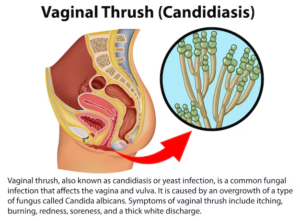
Ayurvedic Treatment for Candida Infection: A Comprehensive Guide are a common and often troublesome health issue,... Continue reading
Ayurvedic Approach to Encephalitis: A Holistic Healing Path is a serious medical condition characterized by inflammation... Continue reading
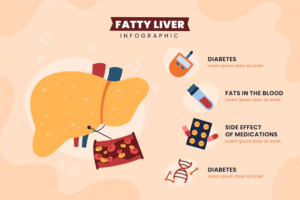
Ayurvedic Approach to Managing Fatty Liver Disease (NAFLD), particularly Non-Alcoholic Fatty Liver Disease (NAFLD), has emerged... Continue reading
Hematuria and Ayurvedic Treatment: A Comprehensive Guide to Understanding and Managing Blood in Urine the presence... Continue reading
Add comment