
No products in the cart.
Return To ShopManaging PCOS with Ayurvedic Remedies
Managing PCOS with Ayurvedic Remediesis a common hormonal disorder that affects many women of reproductive age. Characterized by irregular menstrual cycles, excessive androgen levels, and cysts in the ovaries, PCOS can lead to various symptoms such as acne, weight gain, and hair loss. While conventional treatments often involve medications and lifestyle changes, Ayurveda offers a holistic approach to managing PCOS, focusing on restoring balance and harmony within the body. This blog explores Ayurvedic remedies and strategies to help manage PCOS effectively.
Understanding PCOS from an Ayurvedic Perspective

In Ayurveda, health is viewed as a balance between the three doshas: Vata, Pitta, and Kapha. Each dosha represents a combination of the five elements—earth, water, fire, air, and ether. PCOS is often seen as a condition resulting from an imbalance in these doshas, particularly an excess of Kapha and Pitta doshas.
- Kapha Dosha: This dosha is associated with the earth and water elements and is responsible for stability, structure, and lubrication in the body. When Kapha is imbalanced, it can lead to weight gain, fluid retention, and sluggish metabolism—symptoms commonly seen in PCOS.
- Pitta Dosha: Representing the fire and water elements, Pitta governs metabolism, digestion, and hormonal regulation. An excess of Pitta can contribute to inflammation, acne, and excessive androgen levels.
Balancing these doshas through Ayurvedic practices can help address the root causes of PCOS and alleviate its symptoms.
Dietary Recommendations for PCOS
Diet plays a crucial role in managing PCOS from an Ayurvedic perspective. A diet that balances the Kapha and Pitta doshas can help regulate menstrual cycles, improve metabolism, and reduce symptoms. Here are some dietary tips:
- Favor Light and Warm Foods: Foods that are light and warm help balance Kapha. Opt for steamed vegetables, soups, and herbal teas. Avoid heavy, oily, and cold foods that can aggravate Kapha.
- Incorporate Spices: Spices like turmeric, ginger, and cinnamon have anti-inflammatory properties and help balance Pitta. They can also improve digestion and regulate blood sugar levels.
- Choose Low-Glycemic Index Foods: Foods with a low glycemic index help stabilize blood sugar levels, which is beneficial for managing insulin resistance associated with PCOS. Include whole grains, legumes, and non-starchy vegetables in your diet.
- Avoid Excessive Sugar and Processed Foods: Excess sugar and processed foods can aggravate Kapha and Pitta, leading to weight gain and hormonal imbalances. Focus on whole, natural foods instead.
- Hydrate Adequately: Drinking plenty of water helps maintain hydration and flush out toxins. Herbal teas like chamomile and mint can also aid in digestion and relaxation.
Ayurvedic Herbs for PCOS
Ayurveda offers a range of herbs that can support hormonal balance and improve PCOS symptoms. Here are some commonly used herbs:
- Ashwagandha (Withania somnifera): Known for its adaptogenic properties, Ashwagandha helps reduce stress and balance hormones. It can also improve energy levels and overall well-being.
- Shatavari (Asparagus racemosus): Shatavari is a powerful herb for female reproductive health. It helps regulate menstrual cycles, support ovulation, and balance hormones.
- Turmeric (Curcuma longa): Turmeric has anti-inflammatory and antioxidant properties that can help reduce inflammation and support liver function, which is essential for hormone regulation.
- Guduchi (Tinospora cordifolia): Guduchi is known for its immune-boosting and detoxifying properties. It can help improve overall health and support the body’s natural healing processes.
- Cinnamon (Cinnamomum verum): Cinnamon helps regulate blood sugar levels and improve insulin sensitivity. It can also aid in reducing menstrual irregularities.
Lifestyle Practices to Support PCOS Management
In addition to dietary changes and herbal remedies, adopting certain lifestyle practices can further enhance your efforts to manage PCOS. Ayurvedic principles emphasize the importance of daily routines and self-care.
- Regular Exercise: Physical activity helps balance Kapha and Pitta doshas, improve metabolism, and manage weight. Aim for moderate exercises such as yoga, walking, or swimming.
- Yoga and Meditation: Yoga helps improve flexibility, reduce stress, and balance hormones. Practices such as Pranayama (breath control) and meditation can help manage stress and promote overall well-being.
- Adequate Sleep: A consistent sleep routine is crucial for hormonal balance and overall health. Aim for 7-8 hours of quality sleep each night and establish a calming bedtime routine.
- Stress Management: Chronic stress can exacerbate PCOS symptoms. Incorporate stress-reducing practices such as deep breathing exercises, mindfulness, and relaxation techniques into your daily routine.
- Routine Detoxification: Periodic detoxification can help eliminate toxins from the body and support hormonal balance. Consult with an Ayurvedic practitioner for personalized detoxification strategies.
Consult with an Ayurvedic Practitioner
While Ayurvedic remedies can be highly effective, it is essential to consult with a qualified Ayurvedic practitioner before starting any new treatments or making significant changes to your diet and lifestyle. An Ayurvedic practitioner can provide personalized recommendations based on your unique constitution (Prakriti) and the current state of your health.
Conclusion
Managing PCOS through Ayurveda involves a holistic approach that addresses the root causes of the condition by balancing the doshas, improving diet, incorporating beneficial herbs, and adopting supportive lifestyle practices. By integrating these Ayurvedic principles into your daily life, you can work towards restoring harmony within your body and alleviating the symptoms of PCOS. Remember, Ayurveda emphasizes individualized care, so seek guidance from a qualified practitioner to tailor the approach to your specific needs.
With patience, dedication, and a commitment to holistic health, managing PCOS can become a more balanced and manageable aspect of your life.


About author

Related posts

Atrial Fibrillation and Ayurveda: A Natural Path to Heart Health is a common heart condition that... Continue reading
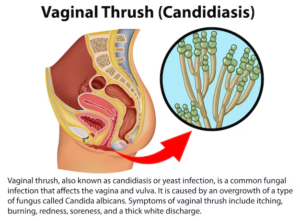
Ayurvedic Treatment for Candida Infection: A Comprehensive Guide are a common and often troublesome health issue,... Continue reading

Ayurvedic Approach to Encephalitis: A Holistic Healing Path is a serious medical condition characterized by inflammation... Continue reading
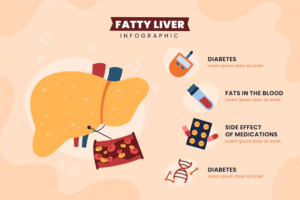
Ayurvedic Approach to Managing Fatty Liver Disease (NAFLD), particularly Non-Alcoholic Fatty Liver Disease (NAFLD), has emerged... Continue reading

Hematuria and Ayurvedic Treatment: A Comprehensive Guide to Understanding and Managing Blood in Urine the presence... Continue reading
Add comment