
No products in the cart.
Return To ShopAyurvedic Remedies for Hyperacidity: A Comprehensive Guide
Ayurvedic Remedies for Hyperacidity: A Comprehensive Guide, also known as acid reflux, is a common digestive issue characterized by the excessive production of stomach acid. This condition often leads to discomfort, burning sensations in the chest (heartburn), and a sour taste in the mouth. While modern medicine offers various treatments, many people seek natural alternatives, such as Ayurvedic remedies, to address the root cause of hyperacidity without the side effects commonly associated with conventional medications.
Ayurveda, the ancient Indian system of medicine, offers a holistic approach to treating hyperacidity by balancing the body’s doshas (biological energies) and improving digestion. In this blog, we will explore Ayurvedic remedies, lifestyle changes, and dietary recommendations that can help alleviate hyperacidity.
Understanding Hyperacidity in Ayurveda

In Ayurveda, hyperacidity is referred to as “Amlapitta.” The condition is primarily caused by an imbalance in the Pitta dosha, which governs heat, metabolism, and transformation in the body. When Pitta becomes aggravated due to poor dietary choices, stress, or lifestyle factors, it leads to an excessive accumulation of acid in the stomach, resulting in hyperacidity.
Causes of Hyperacidity in Ayurveda
- Dietary Factors: Consuming excessive spicy, sour, or acidic foods can aggravate Pitta and lead to hyperacidity. Overeating, irregular meal timings, and consumption of processed or fried foods can also contribute to the condition.
- Stress and Anxiety: Emotional stress and anxiety can disturb the digestive fire (Agni) and exacerbate Pitta, leading to increased acid production.
- Lifestyle Habits: Irregular sleep patterns, excessive consumption of alcohol or caffeine, smoking, and lack of physical activity can all contribute to the imbalance of Pitta and result in hyperacidity.
- Seasonal Changes: The summer season, associated with increased heat, can aggravate Pitta dosha and trigger hyperacidity.
Ayurvedic Remedies for Hyperacidity
Ayurvedic Remedies for Hyperacidity: A Comprehensive Guide offers a variety of natural remedies to manage hyperacidity by balancing the Pitta dosha, improving digestion, and soothing the digestive tract. Here are some effective Ayurvedic treatments for hyperacidity:
1. Amla (Indian Gooseberry)
Amla, known for its cooling properties, is a potent remedy for hyperacidity. It is rich in Vitamin C and antioxidants, which help neutralize stomach acid and heal the lining of the stomach. Amla also enhances digestion and reduces inflammation in the gastrointestinal tract.
How to Use:
- Consume fresh Amla juice in the morning on an empty stomach.
- You can also take Amla powder mixed with water or honey.
2. Licorice Root (Yashtimadhu)
Licorice root is an excellent herb for soothing the stomach lining and reducing acid production. It has anti-inflammatory properties that help in healing ulcers and reducing the burning sensation associated with hyperacidity.
How to Use:
- Prepare a tea by boiling licorice root in water and consume it once or twice a day.
- Alternatively, take licorice root powder mixed with warm water or milk.
3. Coriander Seeds (Dhanyaka)
Coriander seeds are known for their cooling effect on the digestive system. They help reduce acidity and improve digestion by balancing Pitta dosha.
How to Use:
- Soak a tablespoon of coriander seeds in water overnight. Strain and drink the water in the morning on an empty stomach.
- Coriander seeds can also be used in cooking to enhance digestion.
4. Fennel Seeds (Saunf)
Fennel seeds have a cooling effect and are widely used in Ayurveda to relieve hyperacidity. They aid digestion, reduce bloating, and help neutralize stomach acid.
How to Use:
- Chew a teaspoon of fennel seeds after meals to improve digestion.
- Fennel tea, made by boiling fennel seeds in water, is also effective in soothing the stomach.
5. Aloe Vera Juice
Aloe vera is well-known for its soothing and healing properties. It helps in reducing inflammation in the digestive tract and neutralizes excess stomach acid.
How to Use:
- Drink 1/4 cup of fresh aloe vera juice 20 minutes before meals.
- Ensure that the aloe vera juice is free from added sugars or preservatives.
6. Guduchi (Tinospora Cordifolia)
Guduchi, also known as Amrit or Giloy, is a powerful herb that helps balance Pitta dosha and improves digestion. It has anti-inflammatory and anti-ulcer properties, making it an effective remedy for hyperacidity.
How to Use:
- Take Guduchi powder with warm water after meals.
- Guduchi juice or capsules are also available and can be taken as per the recommended dosage.
Dietary Recommendations for Managing Hyperacidity
Diet plays a crucial role in managing hyperacidity. Ayurveda emphasizes a balanced diet that soothes the digestive system and prevents the aggravation of Pitta dosha. Here are some dietary guidelines to follow:
Foods to Include
- Cooling Foods: Include cooling and hydrating foods like cucumber, watermelon, coconut water, and leafy greens. These foods help balance Pitta and reduce acidity.
- Whole Grains: Consume whole grains like rice, oats, and barley, which are easy to digest and help in calming the digestive system.
- Milk and Ghee: Organic milk and ghee (clarified butter) are considered soothing for the stomach. They help neutralize excess acid and provide nourishment.
- Buttermilk: Buttermilk, especially when mixed with a pinch of cumin powder and rock salt, is beneficial in reducing acidity and improving digestion.
- Herbal Teas: Herbal teas made from ingredients like chamomile, mint, or licorice can help soothe the digestive system and reduce acidity.
Foods to Avoid
- Spicy and Sour Foods: Avoid foods that are spicy, sour, or fermented, as they can aggravate Pitta and increase acidity.
- Processed and Fried Foods: These foods are heavy to digest and can lead to the accumulation of toxins (Ama) in the body, worsening hyperacidity.
- Caffeine and Alcohol: Limit the intake of caffeine and alcohol, as they can irritate the stomach lining and increase acid production.
- Citrus Fruits: While citrus fruits are generally healthy, they can be problematic for those with hyperacidity due to their acidic nature.
Lifestyle Modifications for Hyperacidity
In addition to Ayurvedic remedies and dietary changes, certain lifestyle modifications can help manage hyperacidity effectively:
- Regular Meal Timings: Eat meals at regular intervals and avoid skipping meals. This helps maintain a healthy digestive fire and prevents acid accumulation.
- Mindful Eating: Practice mindful eating by chewing food thoroughly and eating slowly. This aids digestion and reduces the chances of acid reflux.
- Stay Hydrated: Drink plenty of water throughout the day to help flush out toxins and maintain the balance of digestive acids.
- Stress Management: Engage in stress-reducing activities like yoga, meditation, or deep breathing exercises. Managing stress is crucial in preventing the aggravation of Pitta dosha.
- Adequate Sleep: Ensure you get 7-8 hours of quality sleep each night. Irregular sleep patterns can disturb the digestive system and exacerbate hyperacidity.
- Avoid Lying Down After Meals: Wait at least 2-3 hours after eating before lying down. This helps prevent acid from flowing back into the esophagus.
Conclusion
Ayurvedic Remedies for Hyperacidity: A Comprehensive Guide is a common yet manageable condition that can significantly impact your quality of life. Ayurveda offers a holistic approach to treating hyperacidity by addressing the root cause and balancing the body’s doshas. By incorporating Ayurvedic remedies, dietary adjustments, and lifestyle modifications, you can effectively manage hyperacidity and improve your overall digestive health.
It is important to note that while Ayurvedic remedies are generally safe, it is advisable to consult an Ayurvedic practitioner before starting any new treatment, especially if you have underlying health conditions or are taking other medications. With the right approach, you can find relief from hyperacidity and enjoy better digestive health naturally.

About author

Related posts

Atrial Fibrillation and Ayurveda: A Natural Path to Heart Health is a common heart condition that... Continue reading
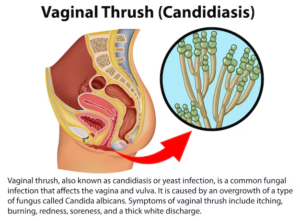
Ayurvedic Treatment for Candida Infection: A Comprehensive Guide are a common and often troublesome health issue,... Continue reading

Ayurvedic Approach to Encephalitis: A Holistic Healing Path is a serious medical condition characterized by inflammation... Continue reading
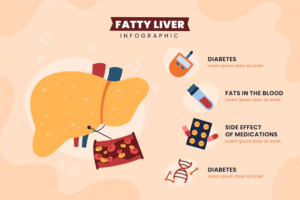
Ayurvedic Approach to Managing Fatty Liver Disease (NAFLD), particularly Non-Alcoholic Fatty Liver Disease (NAFLD), has emerged... Continue reading
Hematuria and Ayurvedic Treatment: A Comprehensive Guide to Understanding and Managing Blood in Urine the presence... Continue reading
Add comment