
No products in the cart.
Return To ShopAyurvedic Solutions for Digestive Disorders: Embracing Holistic Health
Ayurvedic Solutions for Digestive Disorders: Embracing Holistic Health is central to overall well-being, influencing everything from energy levels to mental clarity. In Ayurveda, the ancient system of medicine originating from India, digestion—or “Agni,” meaning “digestive fire”—is considered a cornerstone of health. Imbalance in Agni can lead to a range of digestive disorders, impacting both physical and mental health. This blog explores Ayurvedic approaches to managing and remedying digestive disorders, offering practical tips and holistic solutions.
Understanding Digestive Disorders in Ayurveda
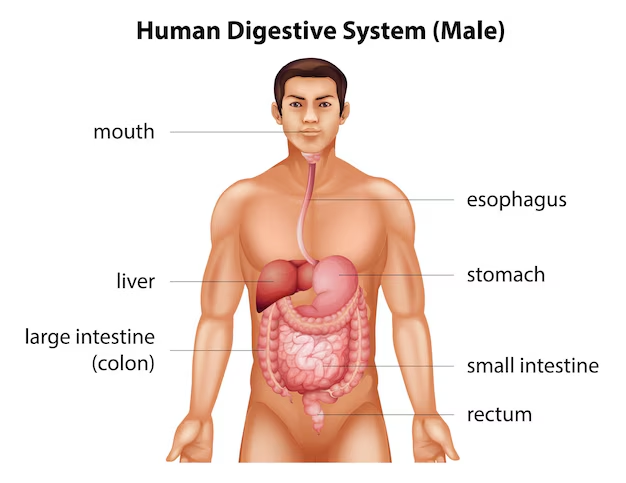
In Ayurveda, digestive disorders are often viewed through the lens of imbalance in the body’s doshas—Vata, Pitta, and Kapha. Each dosha represents different elements and qualities, and their imbalance can disrupt digestive health.
- Vata Dosha: Governed by the elements of air and ether, Vata is responsible for movement and regulates bowel movements. Imbalance often leads to dryness, bloating, and irregular digestion.
- Pitta Dosha: Composed of fire and water elements, Pitta governs digestion, metabolism, and body temperature. An imbalance can cause acidity, inflammation, and heartburn.
- Kapha Dosha: Associated with earth and water, Kapha manages structure and lubrication in the body. Imbalance might result in sluggish digestion, heaviness, and excess mucus.
By identifying the dominant dosha and its imbalance, Ayurvedic practitioners tailor treatments to restore equilibrium and promote digestive health.
Key Ayurvedic Principles for Digestive Health
- Agni (Digestive Fire): In Ayurveda, a strong Agni ensures proper digestion and assimilation of nutrients. A weakened Agni can lead to digestive issues. Enhancing Agni is fundamental in Ayurvedic treatment for digestive disorders.
- Dosha Balance: Addressing the imbalances of Vata, Pitta, and Kapha is crucial for effective treatment. Each dosha requires specific dietary and lifestyle adjustments to restore harmony.
- Diet and Lifestyle: Ayurveda emphasizes a balanced diet and lifestyle tailored to individual dosha types. It advocates for mindful eating, incorporating digestive-supportive herbs and foods, and avoiding practices that disturb digestion.
Ayurvedic Remedies for Digestive Disorders
1. Dietary Adjustments
- Favor Warm, Cooked Foods: Warm, easily digestible foods are recommended to support Agni. Raw and cold foods can weaken digestive fire, especially for those with a Vata or Kapha imbalance.
- Incorporate Spices: Spices like ginger, turmeric, cumin, and coriander stimulate Agni and enhance digestion. For instance, ginger tea can alleviate nausea and improve appetite.
- Eat Mindfully: Avoid overeating and eat in a calm environment. Chewing food thoroughly and eating at regular intervals supports optimal digestion.
- Avoid Heavy, Fatty Foods: These can aggravate Pitta and Kapha doshas, leading to digestive disturbances. Opt for lighter, easily digestible meals.
2. Herbal Remedies
- Triphala: This classical Ayurvedic formula consists of three fruits—Amla, Bibhitaki, and Haritaki. It is known for its gentle laxative effect and ability to cleanse the digestive tract.
- Ginger: Fresh ginger or ginger tea aids in digestion, reduces bloating, and alleviates nausea. It is particularly beneficial for balancing Vata dosha.
- Fennel Seeds: Fennel seeds are effective for reducing gas and bloating. Chewing fennel seeds after meals can aid in digestion and freshen breath.
- Aloe Vera: Aloe vera juice can soothe the digestive tract and improve bowel regularity. It also helps in balancing Pitta dosha.
3. Lifestyle Practices
- Abhyanga (Oil Massage): Regular self-massage with warm oil can soothe Vata dosha and improve circulation. It also promotes relaxation and reduces stress, which is beneficial for digestion.
- Yoga and Exercise: Gentle yoga poses such as twists and forward bends stimulate digestion and help alleviate digestive discomfort. Incorporating regular physical activity can balance all doshas and support overall health.
- Adequate Hydration: Drinking warm water throughout the day aids digestion and helps maintain optimal Agni. Avoid excessive consumption of cold or iced drinks.
- Stress Management: Stress can negatively impact digestion. Practices such as meditation, deep breathing exercises, and mindfulness can help manage stress and improve digestive health.
4. Detoxification
- Panchakarma: This comprehensive detoxification therapy includes five main procedures—Vamana (therapeutic vomiting), Virechana (purgation), Basti (enema), Nasya (nasal administration), and Raktamokshana (bloodletting). Panchakarma helps cleanse the body of toxins and restore dosha balance.
- Daily Detox Practices: Simple daily practices like drinking warm water with lemon or herbal teas can support the body’s natural detoxification processes.
Integrating Ayurveda with Modern Medicine
While Ayurveda offers profound insights and effective treatments for digestive disorders, integrating these practices with modern medical advice ensures comprehensive care. Consult with healthcare professionals to address severe or chronic digestive issues and use Ayurvedic remedies as complementary support.
Conclusion
Ayurvedic Solutions for Digestive Disorders: Embracing Holistic Health framework for addressing digestive disorders by focusing on Agni, balancing doshas, and adopting supportive dietary and lifestyle practices. By embracing these principles, individuals can foster better digestive health and overall well-being. Remember, Ayurveda emphasizes personalized care, so it’s essential to tailor these remedies to your unique constitution and needs.
Incorporating Ayurvedic wisdom into daily life can lead to improved digestion, enhanced vitality, and a greater sense of balance. Whether through mindful eating, herbal remedies, or stress management, the Ayurvedic approach offers valuable tools for maintaining digestive health and achieving a harmonious life.


About author

Related posts

Atrial Fibrillation and Ayurveda: A Natural Path to Heart Health is a common heart condition that... Continue reading
Ayurvedic Treatment for Candida Infection: A Comprehensive Guide are a common and often troublesome health issue,... Continue reading
Ayurvedic Approach to Encephalitis: A Holistic Healing Path is a serious medical condition characterized by inflammation... Continue reading
Ayurvedic Approach to Managing Fatty Liver Disease (NAFLD), particularly Non-Alcoholic Fatty Liver Disease (NAFLD), has emerged... Continue reading
Hematuria and Ayurvedic Treatment: A Comprehensive Guide to Understanding and Managing Blood in Urine the presence... Continue reading
Add comment