
No products in the cart.
Return To ShopUnderstanding Acidity: Insights from Ayurvedic Medicine
Understanding Acidity: Insights from Ayurvedic Medicine Acidity, or acid reflux, is a common condition affecting millions of people worldwide. It occurs when stomach acid frequently flows back into the esophagus, causing symptoms like heartburn, regurgitation, and discomfort. While conventional medicine offers various treatments for acidity, Ayurveda provides a holistic approach that not only addresses symptoms but also tackles the root causes of the problem. In this blog, we’ll explore how Ayurveda views acidity and the natural remedies it offers to restore balance and promote digestive health.
What is Acidity?
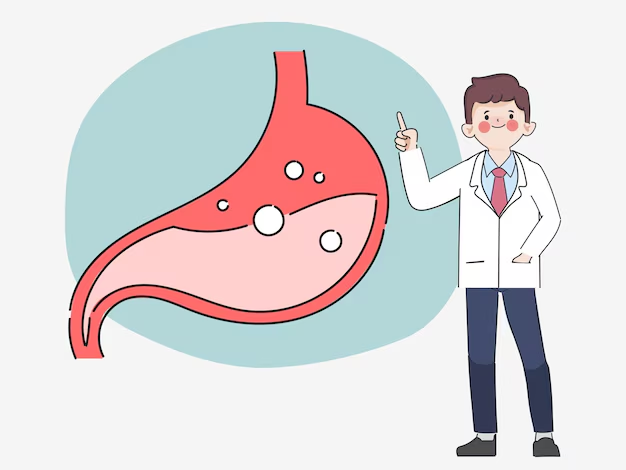
Acidity is a digestive disorder where excessive stomach acid leads to discomfort and irritation in the esophagus. This condition can be triggered by factors such as poor diet, stress, and lifestyle choices. Common symptoms include:
- Heartburn: A burning sensation in the chest or throat.
- Regurgitation: The sensation of acid or food coming back up into the throat or mouth.
- Bloating: A feeling of fullness or swelling in the abdomen.
- Nausea: An uneasy stomach sensation that might lead to vomiting.
If left untreated, acidity can lead to more severe conditions like gastroesophageal reflux disease (GERD) or esophageal ulcers.
Ayurveda and Acidity: The Concept of Agni
Understanding Acidity: Insights from Ayurvedic Medicine digestion and overall health are deeply connected to the concept of Agni, or digestive fire. According to Ayurvedic principles, Agni is responsible for the proper digestion, absorption, and assimilation of nutrients. When Agni is strong and balanced, the digestive system functions optimally. However, when Agni is weakened or imbalanced, it can lead to digestive disorders like acidity.
Ayurveda categorizes digestive issues into three primary types of imbalances:
- Vata Dosha Imbalance: Characterized by dryness and irregular digestion. When Vata is out of balance, it can cause irregular digestive patterns, leading to acidity.
- Pitta Dosha Imbalance: Often associated with excess heat and acidity. When Pitta is aggravated, it can lead to excessive stomach acid production and irritation.
- Kapha Dosha Imbalance: Typically involves heaviness and slow digestion. Although less common, an imbalance in Kapha can contribute to sluggish digestion and symptoms like bloating and acidity.
Ayurvedic Approach to Treating Acidity
Ayurvedic treatment for acidity focuses on restoring balance to the digestive system and addressing the root causes of the problem. Here are some key strategies used in Ayurveda to manage and prevent acidity:
1. Dietary Adjustments
Diet plays a crucial role in Ayurvedic medicine. To balance the digestive fire (Agni) and prevent acidity, Ayurveda recommends:
- Warm and Cooked Foods: Favoring warm, cooked foods over raw or cold foods can aid digestion. Soups, stews, and herbal teas are excellent choices.
- Avoiding Spicy and Fatty Foods: Reducing the intake of spicy, fried, and heavy foods helps prevent excess heat and acidity.
- Incorporating Cooling Foods: Foods like cucumber, mint, and coconut have cooling properties that can help soothe the digestive system.
2. Herbal Remedies
Ayurveda utilizes various herbs and natural remedies to support digestion and alleviate acidity:
- Aloe Vera Juice: Known for its soothing properties, aloe vera juice can help calm inflammation in the digestive tract.
- Licorice Root: This herb helps protect the mucous membranes of the stomach and esophagus, reducing irritation caused by excess acid.
- Ginger: Ginger has anti-inflammatory and digestive properties that can help reduce nausea and improve digestion.
3. Lifestyle Modifications
In addition to dietary changes and herbal remedies, lifestyle adjustments are vital in managing acidity:
- Eating Mindfully: Eating slowly and chewing food thoroughly aids in proper digestion and reduces the risk of acidity.
- Stress Management: Practices like yoga, meditation, and deep breathing can help manage stress, which is often a contributing factor to acidity.
- Avoiding Late-Night Meals: Eating too close to bedtime can increase the risk of acid reflux. Aim to have your last meal at least two to three hours before going to bed.
4. Panchakarma Therapy
Panchakarma is a detoxification process used in Ayurveda to cleanse the body of accumulated toxins (Ama) and restore balance. For acidity, specific Panchakarma treatments might include:
- Abhyanga (Oil Massage): Helps to calm the nervous system and support overall digestion.
- Virechana (Purgation Therapy): Aimed at eliminating excess Pitta from the body, which can help reduce acidity and inflammation.
Preventive Measures and Long-Term Care
Preventing acidity and maintaining digestive health involves a combination of dietary practices, lifestyle changes, and regular Ayurvedic care. Here are some preventive measures:
- Balanced Diet: Consuming a diet that balances all six tastes (sweet, sour, salty, bitter, pungent, and astringent) helps maintain digestive balance.
- Routine and Regularity: Establishing a regular eating schedule and sticking to a balanced lifestyle promotes healthy digestion.
- Regular Check-ups: Consulting with an Ayurvedic practitioner for personalized advice and treatments can help address any emerging issues before they become severe.
Conclusion
Understanding Acidity: Insights from Ayurvedic Medicine a comprehensive approach to managing and preventing acidity by focusing on the balance of digestive fire (Agni) and the overall harmony of the body. By incorporating dietary adjustments, herbal remedies, lifestyle modifications, and preventive measures, individuals can achieve better digestive health and reduce the risk of acidity. Embracing Ayurvedic principles not only addresses the symptoms but also promotes long-term wellness by addressing the root causes of acidity and supporting overall digestive health.
If you experience persistent acidity or digestive discomfort, consider seeking guidance from a qualified Ayurvedic practitioner to tailor a treatment plan that suits your unique constitution and needs. With a holistic approach, Ayurveda provides effective tools for maintaining a balanced and healthy digestive system.


About author

Related posts

Atrial Fibrillation and Ayurveda: A Natural Path to Heart Health is a common heart condition that... Continue reading

Ayurvedic Treatment for Candida Infection: A Comprehensive Guide are a common and often troublesome health issue,... Continue reading

Ayurvedic Approach to Encephalitis: A Holistic Healing Path is a serious medical condition characterized by inflammation... Continue reading

Ayurvedic Approach to Managing Fatty Liver Disease (NAFLD), particularly Non-Alcoholic Fatty Liver Disease (NAFLD), has emerged... Continue reading

Hematuria and Ayurvedic Treatment: A Comprehensive Guide to Understanding and Managing Blood in Urine the presence... Continue reading
Add comment