
No products in the cart.
Return To ShopUnderstanding Kapha Imbalance: Symptoms Causes and Solutions
Understanding Kapha Imbalance: Symptoms, Causes, and Solutions In the ancient practice of Ayurveda, health is viewed through the lens of balancing three primary doshas: Vata, Pitta, and Kapha. These doshas are believed to be combinations of the five elements—earth, water, fire, air, and space—and each one governs specific functions in the body. Kapha, characterized by its earth and water elements, plays a crucial role in maintaining stability, structure, and lubrication within the body.
When Kapha is balanced, it contributes to physical strength, immunity, and emotional stability. However, when imbalanced, Kapha can lead to a range of symptoms that affect both physical health and emotional well-being. Understanding these symptoms is the first step toward restoring balance and achieving optimal health.
Symptoms of Kapha Imbalance
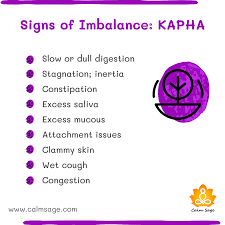
- Weight Gain and Obesity
- Kapha imbalance often manifests as weight gain, which can be attributed to the dosha’s inherent qualities of heaviness and stability. Individuals may find it difficult to lose weight despite efforts, experiencing a tendency to accumulate fat easily. This weight gain is usually accompanied by a slow metabolism.
- Excessive Mucus and Congestion
- The water element in Kapha can lead to an overproduction of mucus, resulting in respiratory issues such as chronic congestion, sinusitis, and coughs. People with a Kapha imbalance might notice that they frequently suffer from colds or infections.
- Lethargy and Low Energy
- A prominent sign of Kapha imbalance is persistent fatigue and low energy levels. Individuals may feel sluggish, heavy, and lacking in motivation, often struggling with daytime drowsiness and a general sense of sluggishness.
- Depression and Emotional Stagnation
- Kapha’s influence extends to the emotional realm, where an imbalance can lead to feelings of sadness, heaviness, and emotional numbness. Depression, lethargy, and an overall lack of enthusiasm for life are common emotional symptoms.
- Skin Issues
- Imbalanced Kapha can contribute to various skin conditions, including excessive oiliness, acne, and cystic breakouts. The skin may appear dull, thick, and prone to blemishes, reflecting the internal imbalance.
- Digestive Problems
- Digestive issues such as bloating, heaviness, and sluggish digestion are indicative of Kapha imbalance. Individuals might experience slow digestion, a feeling of fullness after eating only a small amount, or frequent cravings for sweet and rich foods.
- Joint Pain and Stiffness
- Due to the earth element, Kapha imbalance can lead to joint pain, stiffness, and a sense of heaviness in the limbs. Individuals might find their joints feeling rigid, making movement less fluid and comfortable.
- Sleep Disturbances
- Kapha imbalances can disrupt normal sleep patterns, leading to excessive sleepiness or difficulty waking up. Individuals may struggle with insomnia or find themselves sleeping for extended periods without feeling rested.
- Slow Mental Functioning
- Cognitive functions such as memory, concentration, and mental clarity can be affected by Kapha imbalance. People might experience mental fog, difficulty focusing, and a general sense of mental sluggishness.
Causes of Kapha Imbalance
Understanding Kapha Imbalance: Symptoms, Causes, and Solutions can arise from various factors, including lifestyle choices, dietary habits, and environmental conditions. Understanding these causes can help in preventing and managing imbalances effectively.
- Dietary Choices
- Consuming excessive amounts of heavy, oily, and sweet foods can aggravate Kapha. Dairy products, sugary treats, and fried foods contribute to an increase in Kapha, leading to the symptoms mentioned above.
- Sedentary Lifestyle
- A lack of physical activity can contribute to Kapha imbalance. When the body is not engaged in regular exercise, it can lead to weight gain, reduced metabolism, and sluggishness, exacerbating Kapha symptoms.
- Emotional Stress
- Chronic emotional stress and unresolved psychological issues can disturb the balance of Kapha. Feelings of stagnation, depression, or lack of emotional stimulation can worsen Kapha imbalances.
- Climate and Seasonal Changes
- Kapha imbalance is more common during the colder, wetter seasons when the environment aligns with Kapha qualities. Excessive exposure to cold and damp conditions can aggravate Kapha, leading to symptoms like congestion and lethargy.
- Poor Sleep Patterns
- Irregular sleep patterns or excessive sleep can disrupt Kapha balance. Both insufficient and excessive sleep can contribute to fatigue, weight gain, and emotional imbalances.
Solutions and Remedies for Kapha Imbalance
Balancing Kapha requires a holistic approach that includes dietary adjustments, lifestyle changes, and natural remedies. Here are some effective strategies:
- Dietary Adjustments
- To balance Kapha, focus on consuming light, warm, and stimulating foods. Incorporate more fruits, vegetables, legumes, and whole grains into your diet. Spices such as ginger, turmeric, and black pepper can help stimulate digestion and reduce Kapha. Limit the intake of dairy, sugar, and heavy foods.
- Regular Exercise
- Engage in regular physical activity to stimulate metabolism and boost energy levels. Activities like jogging, cycling, or aerobic exercises are beneficial. Yoga and brisk walking are also excellent for maintaining Kapha balance.
- Stay Warm and Dry
- Avoid exposure to cold and damp environments. Opt for warm clothing and stay in well-heated spaces. Warm herbal teas and soups can also help counteract Kapha’s cold qualities.
- Mindful Eating
- Practice mindful eating by consuming meals at regular intervals and avoiding overeating. Eating smaller, more frequent meals can help maintain energy levels and prevent digestive issues.
- Emotional Well-Being
- Engage in activities that uplift your mood and foster emotional stability. Practices such as meditation, mindfulness, and journaling can help address emotional stagnation and improve overall mental health.
- Herbal Remedies
- Certain herbs can be beneficial in balancing Kapha. Herbs like trikatu (a blend of black pepper, long pepper, and ginger), neem, and fenugreek can help reduce Kapha symptoms. Consult with an Ayurvedic practitioner for personalized recommendations.
- Adequate Sleep
- Maintain a consistent sleep schedule and ensure you get quality rest. Aim for a balanced amount of sleep—neither too much nor too little—to support overall health and Kapha balance.
- Detoxification
- Periodic detoxification can help clear excess Kapha from the body. Ayurvedic practices such as Panchakarma, which includes therapies like oil massages and steam treatments, can aid in detoxifying and rejuvenating the body.
Conclusion
Understanding Kapha Imbalance: Symptoms, Causes, and Solutions can have a significant impact on both physical and emotional well-being, but with mindful adjustments and lifestyle changes, balance can be restored. By understanding the symptoms and causes of Kapha imbalance, individuals can take proactive steps toward achieving harmony and maintaining overall health.
Incorporating Ayurvedic principles into daily life, focusing on a balanced diet, staying active, and addressing emotional well-being are key strategies for managing Kapha imbalance effectively. Remember, it’s always best to consult with a qualified Ayurvedic practitioner to tailor remedies and treatments to your unique needs.
Balancing Kapha is not just about addressing symptoms; it’s about fostering a lifestyle that supports your body’s natural rhythms and enhances your overall quality of life. Embrace the journey towards balance and well-being with an open mind and a holistic approach.


About author

Related posts

Atrial Fibrillation and Ayurveda: A Natural Path to Heart Health is a common heart condition that... Continue reading
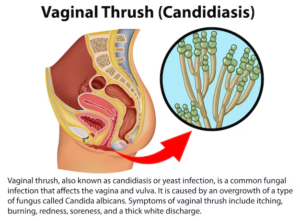
Ayurvedic Treatment for Candida Infection: A Comprehensive Guide are a common and often troublesome health issue,... Continue reading
Ayurvedic Approach to Encephalitis: A Holistic Healing Path is a serious medical condition characterized by inflammation... Continue reading
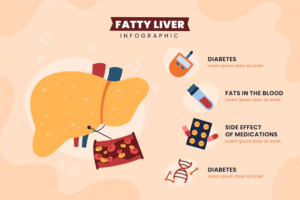
Ayurvedic Approach to Managing Fatty Liver Disease (NAFLD), particularly Non-Alcoholic Fatty Liver Disease (NAFLD), has emerged... Continue reading
Hematuria and Ayurvedic Treatment: A Comprehensive Guide to Understanding and Managing Blood in Urine the presence... Continue reading
Add comment