
No products in the cart.
Return To ShopUnderstanding Vata Imbalance: Symptoms, Causes, and Remedies

Understanding Vata Imbalance: Symptoms, Causes, and Remedies In Ayurveda, the ancient system of medicine originating from India, the concept of balance is central to maintaining health and well-being. According to Ayurveda, our bodies and minds are governed by three fundamental energies, or doshas: Vata, Pitta, and Kapha. Each dosha is a combination of the five elements—earth, water, fire, air, and space—and their balance is crucial for optimal health. Vata dosha, which is composed of air and space, is particularly influential in regulating bodily functions like movement, creativity, and mental clarity. When Vata becomes imbalanced, it can manifest through various symptoms that affect both the body and mind.
What is Vata Dosha?
Vata dosha is characterized by its dry, light, cool, irregular, and mobile qualities. It governs all bodily movements, including circulation, respiration, and elimination. Vata also influences mental processes such as creativity, enthusiasm, and nervous system function. Understanding Vata Imbalance: Symptoms, Causes, and Remedies balanced Vata dosha ensures that these processes flow smoothly, leading to a harmonious state of physical and mental health. When Vata is out of balance, however, it can lead to a range of disruptive symptoms.
Symptoms of Vata Imbalance
1. Physical Symptoms
- Dry Skin and Hair: Vata imbalance often leads to dryness. The skin may become flaky and rough, and the hair can become brittle and prone to breakage.
- Constipation: One of the most common physical manifestations of Vata imbalance is constipation. Due to Vata’s influence on movement and elimination, the digestive process can become irregular, leading to infrequent and hard bowel movements.
- Joint Pain and Muscle Cramps: Dryness and irregularity can affect the joints and muscles, causing pain, stiffness, and cramps.
- Weight Loss: Since Vata increases metabolic activity, an imbalance can lead to unintended weight loss and a decreased appetite.
- Insomnia: Difficulty falling or staying asleep is another common issue. Vata’s mobile and irregular qualities can disrupt the natural rhythm of sleep.
2. Mental Symptoms
- Anxiety and Restlessness: Vata’s qualities of movement and irregularity can lead to heightened anxiety, nervousness, and a general sense of restlessness. Overthinking and difficulty focusing are also signs.
- Mental Fatigue: The mind may feel overburdened and tired due to excessive mental activity, leading to confusion and difficulty concentrating.
- Unpredictable Mood Swings: Emotional instability and mood swings can occur, often shifting from one extreme to another.
- Fear and Uncertainty: A Vata imbalance can foster feelings of fear, uncertainty, and insecurity. This can stem from an inability to stay grounded and focused.
Causes of Vata Imbalance
Understanding the causes of Vata imbalance can help in managing and preventing its symptoms. Some common factors include:
- Diet: Consuming a diet that is dry, cold, and irregular can aggravate Vata. Foods that are excessively astringent or bitter can also contribute to imbalance.
- Lifestyle Factors: Irregular sleep patterns, excessive travel, and a lack of routine can disturb Vata’s natural rhythm.
- Stress: Chronic stress and overwork can exacerbate Vata imbalances, particularly affecting mental and emotional well-being.
- Climate: Exposure to cold, windy, or dry weather can increase Vata. Seasonal changes, particularly during autumn and early winter, can also aggravate this dosha.
- Dehydration: Inadequate fluid intake can lead to dryness in the body and mind, further disturbing Vata’s equilibrium.
Remedies and Balancing Vata
Balancing Vata involves adopting practices and habits that counteract its dry, cool, and irregular qualities. Here are some effective strategies to restore Vata balance:
1. Dietary Adjustments
- Favor Warm, Oily Foods: Incorporate warm, moist, and nourishing foods into your diet. Soups, stews, and cooked grains like rice and oatmeal can help balance Vata.
- Include Healthy Fats: Consuming healthy fats such as ghee, olive oil, and avocados can help counteract dryness and provide sustenance.
- Sweet, Sour, and Salty Flavors: Foods with sweet, sour, and salty tastes are beneficial for balancing Vata. Fruits like bananas and sweet potatoes, and sour foods like lemon and yogurt, can help.
- Regular Meals: Maintain a regular eating schedule to stabilize Vata. Eating at consistent times helps regulate digestion and metabolism.
2. Lifestyle Practices
- Establish a Routine: Adhering to a consistent daily routine can help stabilize Vata. Aim for regular sleep, meal times, and daily activities.
- Warm Baths and Oil Massages: Regular self-massage (abhyanga) with warm oils like sesame oil can help soothe dry skin and promote relaxation. Warm baths also help in calming the nervous system.
- Adequate Sleep: Ensure you get enough restorative sleep. Establish a calming bedtime routine to help balance Vata and improve sleep quality.
- Gentle Exercise: Engage in moderate exercises such as yoga, walking, or swimming. Avoid excessive or strenuous activities that may exacerbate Vata.
3. Mental and Emotional Balance
- Stress Management: Incorporate stress-reducing practices like meditation, deep breathing exercises, and mindfulness into your daily routine.
- Grounding Techniques: Engage in activities that promote grounding and stability, such as spending time in nature or practicing gentle, mindful movements.
- Positive Thinking: Foster a positive mindset and practice gratitude. This can help counteract feelings of fear and anxiety associated with Vata imbalance.
4. Environmental Adjustments
- Climate Control: Use humidifiers in dry environments and dress warmly in cold weather. Create a comfortable, soothing environment to mitigate the effects of external factors on Vata.
- Seasonal Adaptations: Adjust your lifestyle and diet according to seasonal changes. For example, during the fall and winter months, favor warming foods and practices.
Conclusion
Understanding Vata Imbalance: Symptoms, Causes, and Remedies involves a holistic approach that includes dietary changes, lifestyle adjustments, and mental practices. By addressing the root causes of Vata imbalance and incorporating balancing strategies, you can restore harmony to your body and mind. Ayurveda emphasizes the importance of individual constitution and personal needs, so it’s essential to tailor these recommendations to suit your unique condition. If symptoms persist or worsen, consulting an Ayurvedic practitioner or healthcare provider can offer additional guidance and personalized treatment.
By embracing the principles of Ayurveda and making conscious choices to balance Vata, you can enhance your overall well-being and lead a more harmonious, fulfilling life.


About author

Related posts

Atrial Fibrillation and Ayurveda: A Natural Path to Heart Health is a common heart condition that... Continue reading
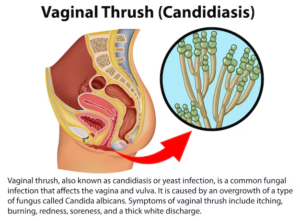
Ayurvedic Treatment for Candida Infection: A Comprehensive Guide are a common and often troublesome health issue,... Continue reading
Ayurvedic Approach to Encephalitis: A Holistic Healing Path is a serious medical condition characterized by inflammation... Continue reading
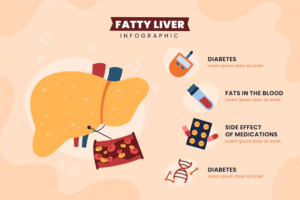
Ayurvedic Approach to Managing Fatty Liver Disease (NAFLD), particularly Non-Alcoholic Fatty Liver Disease (NAFLD), has emerged... Continue reading
Hematuria and Ayurvedic Treatment: A Comprehensive Guide to Understanding and Managing Blood in Urine the presence... Continue reading
Add comment