
No products in the cart.
Return To ShopThe Role of Prana in Ayurveda: Harnessing Vital Energy
The Role of Prana in Ayurveda: Harnessing Vital Energy In the ancient practice of Ayurveda, the concept of Prana is central to understanding health and vitality. This vital life force, akin to the concept of Qi in Traditional Chinese Medicine, is believed to permeate the universe and sustain all forms of life. This blog explores the role of Prana in Ayurveda, its impact on our well-being, and practical ways to harness and balance this vital energy for a healthier life.

What is Prana?
Prana is often translated as “vital energy” or “life force.” It is the invisible force that animates and sustains life. In Ayurveda, Prana is not just a philosophical concept but a practical reality that influences every aspect of our existence. It governs all physiological processes, including respiration, digestion, and circulation, and is considered the energy behind mental and emotional states.
The Five Types of Prana
Ayurveda describes Prana as having five primary types, each responsible for different bodily functions. These are:
- Prana Vayu: Located in the chest and head, this type of Prana governs inhalation, heart function, and the mind. It is associated with mental clarity, cognitive function, and overall vitality.
- Apana Vayu: Situated in the lower abdomen, Apana Vayu controls the processes of elimination, reproduction, and downward movement of energy. It is crucial for the body’s detoxification and reproductive health.
- Samana Vayu: Found in the digestive region, Samana Vayu is responsible for digestion and the assimilation of nutrients. It helps balance metabolic processes and ensures proper nutrient absorption.
- Udana Vayu: Located in the throat and head, Udana Vayu influences speech, growth, and the functioning of the senses. It is essential for communication and self-expression.
- Vyana Vayu: This type of Prana circulates throughout the body, coordinating and balancing the other types of Prana. It supports circulation, movement, and overall coordination.
Prana and Doshas
The Role of Prana in Ayurveda: Harnessing Vital Energy, Prana interacts closely with the three Doshas—Vata, Pitta, and Kapha. These Doshas are the foundational energies that govern our physiological and psychological functions:
- Vata: Governed by the elements of air and space, Vata is associated with movement and creativity. Prana helps regulate Vata’s qualities and ensures smooth bodily functions.
- Pitta: Representing fire and water, Pitta governs metabolism and transformation. Prana balances Pitta’s heat and ensures proper digestion and metabolism.
- Kapha: Comprising earth and water elements, Kapha provides stability and structure. Prana helps manage Kapha’s qualities, promoting fluid movement and preventing stagnation.
Balancing Prana involves maintaining harmony among these Doshas, which is crucial for overall health.
How Imbalances in Prana Affect Health
An imbalance in Prana can lead to a variety of health issues. For instance:
- Excess Prana: Can result in anxiety, restlessness, and overactive mind. Physically, it might manifest as conditions like insomnia or hypertension.
- Deficient Prana: Leads to fatigue, depression, and weakened immunity. Physically, it can cause digestive issues, poor circulation, and general weakness.
- Blocked Prana: Can cause stagnation, leading to chronic conditions such as joint pain, digestive disorders, and respiratory issues.
Practices to Harness and Balance Prana
Ayurveda offers several practices to harness and balance Prana. These practices are designed to enhance the flow of Prana, promote equilibrium among the Doshas, and improve overall well-being.
1. Breathing Exercises (Pranayama)
Pranayama, or controlled breathing, is a fundamental practice to regulate Prana. Different types of Pranayama include:
- Nadi Shodhana (Alternate Nostril Breathing): Balances both hemispheres of the brain and calms the mind.
- Kapalabhati (Skull Shining Breath): Energizes the mind and cleanses the respiratory system.
- Ujjayi (Victorious Breath): Increases concentration and enhances mental clarity.
2. Yoga Asanas
Yoga poses help channel Prana through the body and support physical and mental health. For example:
- Tadasana (Mountain Pose): Enhances posture and improves energy flow.
- Adho Mukha Svanasana (Downward-Facing Dog): Stretches and strengthens the body, promoting the flow of Prana.
- Savasana (Corpse Pose): Aids in deep relaxation and rejuvenates the body and mind.
3. Meditation
Meditation practices, such as mindfulness and guided meditation, help calm the mind, increase awareness, and facilitate the smooth flow of Prana. Techniques like Vipassana or Transcendental Meditation can be particularly beneficial.
4. Diet and Nutrition
Ayurvedic dietary practices emphasize eating fresh, seasonal foods that balance the Doshas and support the flow of Prana. Foods should be:
- Fresh and Natural: To ensure optimal energy and nutrient content.
- Properly Cooked: To enhance digestibility and assimilation.
- Balanced: Incorporate all six tastes—sweet, sour, salty, bitter, pungent, and astringent.
5. Lifestyle Adjustments
Adopting a lifestyle that aligns with natural rhythms can support Prana. Practices include:
- Regular Sleep Patterns: Maintaining a consistent sleep schedule promotes restful sleep and balances Prana.
- Routine: Establishing daily routines, such as waking up early and eating at regular intervals, supports Prana’s flow.
- Stress Management: Engage in activities that reduce stress, such as hobbies, social interactions, or relaxation techniques.
Conclusion
The Role of Prana in Ayurveda: Harnessing Vital Energy is integral to Ayurvedic health practices. By recognizing the role of Prana and its impact on the body and mind, individuals can take proactive steps to balance this vital energy, leading to enhanced well-being and vitality. Through practices like Pranayama, yoga, meditation, proper nutrition, and mindful living, one can cultivate a harmonious flow of Prana, ensuring a healthier, more balanced life. Embracing these ancient wisdoms not only deepens our connection to ourselves but also aligns us with the natural rhythms of the universe.


About author

Related posts
Atrial Fibrillation and Ayurveda: A Natural Path to Heart Health is a common heart condition that... Continue reading
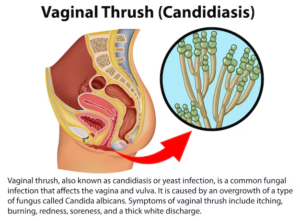
Ayurvedic Treatment for Candida Infection: A Comprehensive Guide are a common and often troublesome health issue,... Continue reading
Ayurvedic Approach to Encephalitis: A Holistic Healing Path is a serious medical condition characterized by inflammation... Continue reading
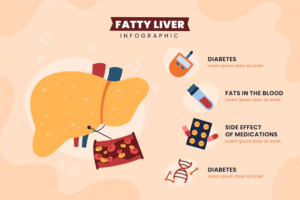
Ayurvedic Approach to Managing Fatty Liver Disease (NAFLD), particularly Non-Alcoholic Fatty Liver Disease (NAFLD), has emerged... Continue reading
Hematuria and Ayurvedic Treatment: A Comprehensive Guide to Understanding and Managing Blood in Urine the presence... Continue reading
Add comment