
No products in the cart.
Return To ShopAyurvedic Perspectives on Addiction and Recovery
Ayurvedic Perspectives on Addiction and Recovery: A Holistic Approach to Healing Addiction is a complex condition that affects millions of individuals worldwide, manifesting in various forms such as substance abuse, gambling, or even compulsive behaviors. Traditional Western approaches to addiction often focus on medical treatments and psychological interventions. However, in the rich tapestry of holistic health, Ayurveda—an ancient system of medicine that originated in India—offers a unique perspective on addiction and recovery. This blog explores Ayurvedic principles and how they can inform a holistic approach to overcoming addiction.
Understanding Ayurveda
Ayurveda, meaning “the science of life,” is a holistic system that has been practiced for over 5,000 years. It is based on the concept that health and wellness depend on a delicate balance between the body, mind, and spirit. According to Ayurveda, every individual is unique and comprises three primary doshas (bioenergetic forces): Vata (air and space), Pitta (fire and water), and Kapha (earth and water). Each dosha governs various physiological and psychological functions.
Ayurvedic philosophy asserts that an imbalance in these doshas can lead to illness, including addiction. Therefore, Ayurveda addresses addiction not merely as a physical or psychological problem but as an imbalance that affects the entire person.
The Ayurvedic Perspective on Addiction

From an Ayurvedic standpoint, addiction arises when there is a disruption in the harmony of the doshas. Here’s how each dosha can relate to addiction:
Vata Dosha Imbalance
Vata dosha, characterized by qualities of dryness, lightness, and irregularity, governs movement and communication in the body. When Vata is out of balance, it can lead to feelings of anxiety, restlessness, and fear, which are often associated with addictive behaviors. Individuals with a Vata imbalance might turn to substances or compulsive behaviors as a means of self-medication to manage their erratic emotions and lack of stability.
Pitta Dosha Imbalance
Pitta dosha, embodying the elements of fire and water, is responsible for transformation and metabolism. Imbalances in Pitta are often related to intense emotions such as anger, frustration, and irritation. Those with a Pitta imbalance might be drawn to addiction as a way to soothe their intense internal fire or to manage stress and anger.
Kapha Dosha Imbalance
Kapha dosha, characterized by heaviness, stability, and solidity, governs the structure and lubrication of the body. An imbalance in Kapha can lead to lethargy, stagnation, and attachment issues. People with a Kapha imbalance may find themselves stuck in addictive behaviors due to a lack of motivation and an overwhelming sense of inertia.
Ayurvedic Approaches to Addiction Recovery
Ayurveda offers a range of methods to restore balance and support recovery from addiction. These include dietary changes, lifestyle adjustments, herbal remedies, and therapeutic practices.
1. Dietary Adjustments
Diet plays a crucial role in Ayurvedic treatment. A balanced diet can help recalibrate the doshas and support the body’s natural healing processes. For instance:
- Vata Imbalance: Incorporate grounding, nourishing foods such as cooked grains, root vegetables, and healthy fats. Avoid raw, dry, or cold foods that can exacerbate Vata imbalances.
- Pitta Imbalance: Favor cooling, soothing foods like cucumbers, melons, and leafy greens. Avoid spicy, acidic, and oily foods that can aggravate Pitta.
- Kapha Imbalance: Opt for light, stimulating foods like legumes, spices, and fresh fruits. Avoid heavy, creamy, or sugary foods that can further exacerbate Kapha imbalances.
2. Lifestyle Modifications
Ayurveda emphasizes the importance of daily routines (dinacharya) in maintaining balance. Establishing a structured daily routine can help manage cravings and support recovery:
- Regular Sleep: Aim for consistent sleep patterns, as irregular sleep can destabilize Vata and increase cravings.
- Mindful Practices: Engage in mindfulness practices such as meditation and yoga to calm the mind and manage stress. These practices can help balance all doshas and support emotional stability.
- Physical Activity: Incorporate moderate physical activity to stimulate digestion and energy flow, which can be particularly beneficial for Kapha imbalances.
3. Herbal Remedies
Ayurvedic herbs are used to restore balance and support detoxification. Some herbs commonly used in addiction recovery include:
- Ashwagandha (Withania somnifera): Known for its adaptogenic properties, ashwagandha can help manage stress and anxiety, supporting emotional stability during recovery.
- Brahmi (Bacopa monnieri): Brahmi is used to enhance mental clarity and reduce agitation, which can be beneficial for those struggling with addiction.
- Turmeric (Curcuma longa): Turmeric has anti-inflammatory and detoxifying properties that support liver health and overall well-being.
4. Panchakarma Therapy
Panchakarma is a set of five therapeutic treatments designed to detoxify the body and restore doshic balance. These therapies include:
- Vamana (Therapeutic Vomiting): Used to eliminate excess Kapha and toxins from the upper respiratory tract.
- Virechana (Purgation Therapy): Aims to cleanse the digestive tract and eliminate excess Pitta.
- Basti (Enema Therapy): Helps to detoxify the lower digestive tract and balance Vata.
- Nasya (Nasal Therapy): Clears accumulated toxins from the head and neck area.
- Raktamokshana (Bloodletting): Removes toxins from the bloodstream and supports overall detoxification.
5. Psychological and Emotional Support
Ayurveda acknowledges the profound impact of mental and emotional states on physical health. In addition to dietary and lifestyle changes, addressing emotional imbalances is crucial in addiction recovery. Techniques such as counseling, cognitive-behavioral therapy (CBT), and Ayurvedic psychological practices can be integrated into a comprehensive recovery plan.
Integrating Ayurveda with Conventional Treatments
While Ayurveda offers valuable insights and practices, it is essential to integrate these approaches with conventional treatments for a holistic recovery plan. Combining Ayurvedic practices with medical and psychological support can enhance the overall effectiveness of the treatment process.
Conclusion
Ayurvedic Perspectives on Addiction and Recovery is a multifaceted issue that requires a comprehensive and personalized approach to treatment. Ayurveda, with its emphasis on balancing the doshas and addressing the root causes of imbalances, provides a holistic framework for understanding and overcoming addiction. By incorporating Ayurvedic principles into a broader recovery strategy, individuals can achieve greater harmony and resilience on their journey to recovery.
Remember, the path to overcoming addiction is unique for each individual. Consulting with healthcare professionals and Ayurvedic practitioners can help tailor a recovery plan that aligns with your specific needs and circumstances. Ayurvedic Perspectives on Addiction and Recovery Through a balanced approach that honors both ancient wisdom and modern science, it is possible to find lasting healing and well-being.


About author

Related posts

Atrial Fibrillation and Ayurveda: A Natural Path to Heart Health is a common heart condition that... Continue reading
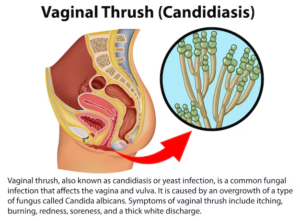
Ayurvedic Treatment for Candida Infection: A Comprehensive Guide are a common and often troublesome health issue,... Continue reading
Ayurvedic Approach to Encephalitis: A Holistic Healing Path is a serious medical condition characterized by inflammation... Continue reading
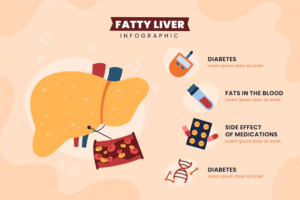
Ayurvedic Approach to Managing Fatty Liver Disease (NAFLD), particularly Non-Alcoholic Fatty Liver Disease (NAFLD), has emerged... Continue reading
Hematuria and Ayurvedic Treatment: A Comprehensive Guide to Understanding and Managing Blood in Urine the presence... Continue reading
Add comment