
No products in the cart.
Return To ShopNatural Solutions for Eczema and Psoriasis in Ayurveda
Natural Solutions for Eczema and Psoriasis in Ayurveda Eczema and psoriasis are chronic skin conditions that affect millions of people worldwide. Both conditions can cause discomfort, pain, and emotional distress. While modern medicine offers various treatments, many individuals seek alternative or complementary approaches to manage these skin issues. Ayurveda, the traditional system of medicine from India, provides a holistic framework for understanding and treating eczema and psoriasis. This blog explores natural solutions for these conditions within the context of Ayurveda, emphasizing lifestyle changes, dietary recommendations, and herbal remedies.
Understanding Eczema and Psoriasis in Ayurveda
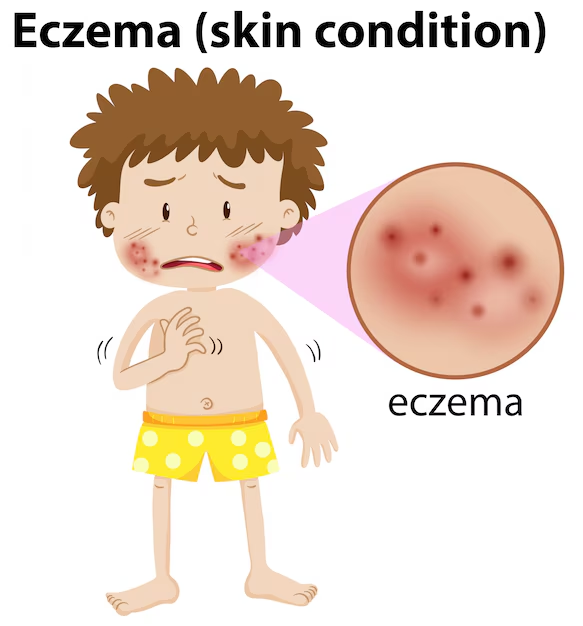
Eczema (atopic dermatitis) and psoriasis are distinct conditions but share some similarities. Both involve inflammation and irritation of the skin. In Ayurveda, these conditions are primarily linked to imbalances in the body’s doshas – Vata, Pitta, and Kapha.
- Vata Dosha: Associated with dryness, roughness, and coldness. When out of balance, it can lead to dry, flaky skin, which is characteristic of eczema.
- Pitta Dosha: Related to heat, inflammation, and redness. An imbalance in Pitta can result in inflamed, red, and itchy skin, typical of both eczema and psoriasis.
- Kapha Dosha: Linked to moisture, stability, and cold. Imbalances in Kapha can lead to thick, scaly skin, which is often seen in psoriasis.
Ayurvedic treatment aims to restore balance among the doshas, thereby alleviating symptoms and promoting overall health.
Dietary Recommendations
Diet plays a crucial role in Ayurveda, as it directly influences the doshas. Here are some dietary guidelines to help manage eczema and psoriasis:
For Eczema:
- Increase Omega-3 Fatty Acids: Foods rich in omega-3s, such as flaxseeds, chia seeds, and walnuts, help to reduce inflammation and improve skin health.
- Avoid Dairy and Processed Foods: Dairy products and processed foods can exacerbate eczema symptoms. Opt for alternatives like almond milk or coconut yogurt.
- Incorporate Cooling Foods: Foods with cooling properties can help balance the Pitta dosha. These include cucumbers, melons, and leafy greens.
- Stay Hydrated: Drinking plenty of water helps keep the skin hydrated and can alleviate dryness associated with eczema.
For Psoriasis:
- Consume Anti-Inflammatory Foods: Include foods with anti-inflammatory properties such as turmeric, ginger, and garlic in your diet.
- Limit Nightshades: Some individuals find that nightshade vegetables (tomatoes, peppers, potatoes) can trigger psoriasis flare-ups. Monitoring your intake may help manage symptoms.
- Opt for Whole Grains: Whole grains like quinoa, barley, and brown rice are beneficial as they help maintain balanced digestion and support overall health.
- Include Healthy Fats: Avocados, nuts, and olive oil are excellent sources of healthy fats that can help improve skin condition and reduce inflammation.
Herbal Remedies
Ayurvedic herbs are renowned for their therapeutic properties. Here are some herbs commonly used to manage eczema and psoriasis:
For Eczema:
- Neem (Azadirachta indica): Known for its antibacterial and anti-inflammatory properties, neem can help soothe irritated skin and reduce itching. Neem oil or neem-based creams can be applied topically.
- Turmeric (Curcuma longa): Turmeric contains curcumin, which has powerful anti-inflammatory and antioxidant properties.
- Aloe Vera: Aloe vera gel has soothing and moisturizing effects, making it ideal for calming eczema flare-ups. Applying fresh aloe vera gel directly to the affected areas can provide relief.
For Psoriasis:
- Guggul (Commiphora wightii): Guggul is known for its ability to balance Pitta dosha and reduce inflammation. It is available in supplement form and can help manage psoriasis symptoms.
- Brahmi (Bacopa monnieri): Brahmi helps to calm the mind and body, reducing stress-related flare-ups of psoriasis. It can be taken as a supplement or used in a topical formulation.
- Manjistha (Rubia cordifolia): Manjistha is known for its blood-purifying properties and its ability to balance Pitta and Kapha doshas.
Lifestyle Changes
Adopting a lifestyle that supports balance and well-being is essential in Ayurveda. Here are some lifestyle changes that can help manage eczema and psoriasis:
For Eczema:
- Establish a Skincare Routine: Use gentle, natural moisturizers to keep your skin hydrated. Opt for products with ingredients like coconut oil, shea butter, and beeswax.
- Practice Stress Management: Stress can exacerbate eczema symptoms. Techniques such as yoga, meditation, and deep breathing exercises can help manage stress levels.
- Avoid Harsh Chemicals: Choose natural, fragrance-free cleaning and personal care products to prevent irritation and allergic reactions.
For Psoriasis:
- Regular Exfoliation: Gentle exfoliation can help remove dead skin cells and reduce scaling. Use a natural exfoliant like oatmeal or sugar mixed with coconut oil.
- Sunlight Exposure: Moderate sunlight exposure can help improve psoriasis symptoms. Aim for short periods of sunlight exposure, but always use sunscreen to protect your skin.
- Maintain a Healthy Weight: Obesity can worsen psoriasis symptoms. Regular exercise and a balanced diet support overall health and can help manage psoriasis.
Conclusion
Natural Solutions for Eczema and Psoriasis in Ayurveda offers a comprehensive approach to managing eczema and psoriasis through dietary modifications, herbal remedies, and lifestyle changes. By understanding the underlying dosha imbalances and adopting natural solutions, individuals can find relief and improve their quality of life. It’s important to consult with a qualified Ayurvedic practitioner to create a personalized treatment plan that addresses your specific needs and conditions.
While Ayurveda provides valuable insights and remedies, it is also crucial to work with healthcare professionals for a well-rounded approach to managing these chronic skin conditions. Integrating Ayurvedic practices with conventional treatments can offer a balanced path to healing and wellness.

About author

Related posts

Atrial Fibrillation and Ayurveda: A Natural Path to Heart Health is a common heart condition that... Continue reading
Ayurvedic Treatment for Candida Infection: A Comprehensive Guide are a common and often troublesome health issue,... Continue reading
Ayurvedic Approach to Encephalitis: A Holistic Healing Path is a serious medical condition characterized by inflammation... Continue reading
Ayurvedic Approach to Managing Fatty Liver Disease (NAFLD), particularly Non-Alcoholic Fatty Liver Disease (NAFLD), has emerged... Continue reading
Hematuria and Ayurvedic Treatment: A Comprehensive Guide to Understanding and Managing Blood in Urine the presence... Continue reading
Add comment