
No products in the cart.
Return To ShopAyurveda for Reproductive Health: Fertility and Beyond
Ayurveda for Reproductive Health: Fertility and Beyond Reproductive health is a cornerstone of overall well-being, influencing everything from personal happiness to societal growth. For centuries, Ayurveda, the ancient system of medicine that originated in India, has provided a holistic approach to maintaining and enhancing reproductive health. By integrating physical, mental, and emotional aspects, Ayurveda offers unique insights into fertility and beyond.
Understanding Ayurveda and Reproductive Health

Ayurveda is based on the concept of balancing three fundamental energies, or doshas: Vata, Pitta, and Kapha. These doshas are derived from the five elements—earth, water, fire, air, and space—and their balance is essential for health and well-being. When it comes to reproductive health, Ayurveda views the reproductive system as an integral part of overall health, influenced by these doshas, as well as by mental and emotional states.
Key Ayurvedic Concepts for Fertility
1. Balancing the Doshas
Each dosha plays a crucial role in reproductive health. Vata governs movement and communication, Pitta oversees transformation and metabolism, and Kapha is responsible for structure and stability. Imbalances in these doshas can affect fertility. For instance:
- Vata Imbalance: Excessive Vata can lead to irregular menstrual cycles, dryness, and anxiety, all of which may impact fertility. Balancing Vata involves incorporating grounding foods, reducing stress, and ensuring proper hydration.
- Pitta Imbalance: Excess Pitta can cause inflammation, heat, and irritability, which might affect reproductive organs and hormones. Cooling, calming foods and practices help restore Pitta balance.
- Kapha Imbalance: An excess of Kapha can result in sluggish digestion and weight gain, potentially leading to hormonal imbalances. Stimulating and energizing activities and a lighter diet can help counteract Kapha.
2. Agni (Digestive Fire)
Agni, or digestive fire, is central to Ayurveda’s understanding of health. A strong and balanced Agni ensures proper digestion, nutrient absorption, and detoxification, all of which are vital for reproductive health. To support Agni:
- Eat Warm, Cooked Foods: These are easier to digest and support optimal digestive function.
- Incorporate Spices: Spices like ginger, turmeric, and cumin stimulate digestion and enhance Agni.
3. Ojas (Vital Energy)
Ojas represents the essence of our health, vitality, and immunity. It is closely linked to reproductive health, as strong Ojas supports a healthy reproductive system and successful conception. To enhance Ojas:
- Prioritize Rest and Relaxation: Adequate sleep and stress management are crucial for maintaining Ojas.
- Consume Nourishing Foods: Foods rich in healthy fats, proteins, and vitamins, such as ghee, nuts, and fresh fruits, help build Ojas.
4. Srotas (Channels)
In Ayurveda, Srotas are channels through which substances travel in the body. Healthy Srotas are essential for optimal reproductive function. To keep Srotas clear:
- Hydrate: Proper hydration supports the smooth functioning of Srotas.
- Use Detoxifying Practices: Practices like Panchakarma (a cleansing therapy) help remove toxins and maintain clear channels.
Ayurvedic Herbs and Supplements for Reproductive Health
Ayurveda employs a variety of herbs and supplements to support reproductive health. These herbs are used to balance doshas, strengthen Agni, and enhance Ojas.
1. Shatavari (Asparagus racemosus)
Often referred to as the queen of herbs for women’s health, Shatavari supports female reproductive health by balancing hormones, improving fertility, and enhancing overall vitality. It is particularly beneficial for Vata imbalances and can be used to regulate menstrual cycles and support lactation.
2. Ashwagandha (Withania somnifera)
Ashwagandha is known for its adaptogenic properties, which help reduce stress and support overall health. It is beneficial for both men and women, enhancing stamina, balancing hormones, and improving sperm quality in men.
3. Turmeric (Curcuma longa)
Turmeric is renowned for its anti-inflammatory and antioxidant properties. It supports reproductive health by reducing inflammation, balancing hormones, and improving overall vitality. It also plays a role in detoxifying the body and supporting healthy Srotas.
4. Gokshura (Tribulus terrestris)
Gokshura is used to enhance sexual health and fertility. It is believed to balance hormones, improve libido, and support healthy reproductive function in both men and women.
Lifestyle Practices for Optimal Reproductive Health
In addition to diet and herbs, Ayurveda emphasizes lifestyle practices that support reproductive health. These practices integrate physical, mental, and emotional well-being.
1. Regular Exercise
Exercise promotes overall health, including reproductive health, by improving circulation, reducing stress, and maintaining a healthy weight. Ayurveda recommends moderate exercises that suit your dosha. For instance:
- Vata Types: Gentle, grounding exercises like yoga and walking.
- Pitta Types: Cooling activities such as swimming or leisurely biking.
- Kapha Types: Energizing exercises like running or vigorous yoga.
2. Mindfulness and Stress Management
Stress can significantly impact reproductive health. Ayurveda advocates for practices such as meditation, deep breathing, and mindfulness to manage stress and promote mental well-being. Regular practice helps balance doshas and supports overall health.
3. Sleep Hygiene
Quality sleep is essential for maintaining hormonal balance and overall health. Establishing a regular sleep routine, creating a calming bedtime environment, and avoiding stimulants before bed can enhance sleep quality and support reproductive health.
4. Abhyanga (Self-Massage)
Abhyanga, or self-massage with warm oil, is a practice that helps balance Vata and Kapha doshas, improves circulation, and promotes relaxation. Using oils such as sesame or almond oil can enhance overall well-being and support reproductive health.
Fertility Considerations in Ayurveda
For those seeking to conceive, Ayurveda offers specific recommendations to enhance fertility and prepare the body for pregnancy.
1. Preconception Care
Ayurveda emphasizes the importance of preparing the body for conception. This involves:
- Detoxification: Undergoing a gentle detoxification process to cleanse the body of toxins.
- Nourishing Diet: Consuming a diet rich in nutrients that support reproductive health.
- Balanced Lifestyle: Adopting a balanced lifestyle that includes adequate rest, stress management, and regular exercise.
2. Timing and Awareness
Understanding the body’s natural rhythms and cycles is crucial for conception. Ayurveda recommends tracking menstrual cycles and understanding the best times for conception based on individual health and dosha balance.
Beyond Fertility: Maintaining Reproductive Health
Maintaining reproductive health is not limited to fertility. Ayurveda provides guidance for managing menstrual health, menopause, and overall reproductive vitality throughout life.
1. Menstrual Health
Ayurveda offers various treatments for menstrual irregularities, including dietary changes, herbal supplements, and lifestyle modifications. Balancing the doshas and supporting Agni are key to maintaining regular and comfortable menstrual cycles.
2. Menopause
Menopause is a natural phase of life, and Ayurveda views it as a transition rather than a problem. Managing menopause with balanced nutrition, stress reduction, and appropriate herbal support can ease symptoms and promote overall well-being.
Conclusion
Ayurveda offers a comprehensive approach to reproductive health, addressing physical, mental, and emotional aspects. By balancing the doshas, supporting Agni and Ojas, and incorporating lifestyle practices, individuals can enhance fertility and maintain overall reproductive health. Whether you are seeking to conceive or simply aiming to maintain reproductive vitality, Ayurveda provides valuable insights and practices that can help you achieve and sustain well-being.
Incorporating Ayurvedic principles into your daily life offers a holistic path to reproductive health, integrating ancient wisdom with modern understanding to support a fulfilling and balanced life.


About author

Related posts

Atrial Fibrillation and Ayurveda: A Natural Path to Heart Health is a common heart condition that... Continue reading
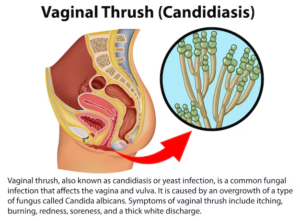
Ayurvedic Treatment for Candida Infection: A Comprehensive Guide are a common and often troublesome health issue,... Continue reading
Ayurvedic Approach to Encephalitis: A Holistic Healing Path is a serious medical condition characterized by inflammation... Continue reading
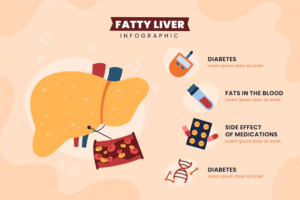
Ayurvedic Approach to Managing Fatty Liver Disease (NAFLD), particularly Non-Alcoholic Fatty Liver Disease (NAFLD), has emerged... Continue reading
Hematuria and Ayurvedic Treatment: A Comprehensive Guide to Understanding and Managing Blood in Urine the presence... Continue reading
Add comment