
No products in the cart.
Return To ShopUnderstanding Nausea and Ayurvedic Remedies:
Understanding Nausea and Ayurvedic Remedies: Nausea is a common and unsettling condition that can stem from a variety of causes, ranging from digestive issues to motion sickness and beyond. It can significantly impact one’s quality of life, making everyday tasks challenging. While conventional medicine offers various treatments, Ayurveda—a time-honored system of natural healing—provides holistic and effective remedies. This blog delves into the Ayurvedic perspective on nausea and explores natural treatments to alleviate this distressing condition.
Understanding Nausea from an Ayurvedic Perspective

Ayurveda, an ancient system of medicine originating in India, views health as a balance of three fundamental energies or doshas: Vata, Pitta, and Kapha. Nausea, according to Ayurveda, can result from an imbalance in these doshas. Understanding how these doshas interact can provide insight into effective remedies.
- Vata Dosha: Governed by the elements of air and ether, Vata is responsible for movement and activity in the body. An imbalance in Vata, often caused by irregular eating habits or stress, can lead to nausea. Symptoms may include dryness, bloating, and a feeling of unease.
- Pitta Dosha: Associated with the elements of fire and water, Pitta regulates digestion and metabolism. An excess of Pitta can lead to conditions like acid reflux and inflammation, which may manifest as nausea. Symptoms include burning sensations, acidity, and irritability.
- Kapha Dosha: Comprising earth and water elements, Kapha governs stability and lubrication. An imbalance in Kapha can cause sluggish digestion and congestion, leading to nausea. Symptoms often include heaviness, lethargy, and a feeling of fullness.
Ayurvedic Remedies for Nausea
Ayurvedic treatments aim to restore balance to the doshas and promote overall well-being. Here are several effective Ayurvedic remedies for managing and alleviating nausea:
1. Herbal Teas
Ginger Tea: Ginger is renowned for its anti-nausea properties. It helps stimulate digestion and reduce nausea, especially when caused by motion sickness or pregnancy. To prepare ginger tea, simply boil fresh ginger slices in water and strain. Adding a pinch of black pepper or a teaspoon of honey can enhance its effectiveness.
Peppermint Tea: Peppermint has calming effects on the stomach and can alleviate nausea and indigestion. Brew peppermint leaves in hot water and sip slowly for relief.
Fennel Tea: Fennel seeds are excellent for soothing the digestive system. Steep fennel seeds in hot water and drink the tea after meals to help prevent nausea.
2. Dietary Adjustments
Warm and Light Foods: Ayurveda recommends consuming warm, light foods that are easy to digest. Opt for cooked vegetables, rice, and soups. Avoid heavy, greasy, or spicy foods that can aggravate nausea.
Hydration: Staying hydrated is crucial. Sip on warm water or herbal teas throughout the day. Avoid cold drinks, as they can disturb digestion and increase Vata dosha.
Spices and Herbs: Incorporate spices like turmeric, cumin, and coriander into your meals. These spices aid digestion and help balance the doshas, reducing the likelihood of nausea.
3. Lifestyle Changes
Eating Routine: Maintain a regular eating schedule. Skipping meals or eating irregularly can disturb the digestive system and increase Vata dosha. Eating smaller, frequent meals can help manage nausea.
Stress Management: Stress and anxiety can disrupt digestion and exacerbate nausea. Practice relaxation techniques such as yoga, meditation, or deep breathing exercises to manage stress effectively.
Proper Digestion: Ensure that you eat slowly and chew your food thoroughly. This aids digestion and reduces the burden on the stomach, helping to prevent nausea.
4. Ayurvedic Therapies
Abhyanga (Oil Massage): Abhyanga, or Ayurvedic oil massage, helps balance Vata dosha and improves circulation. Using warm, calming oils like sesame oil, gently massage your abdomen in a circular motion to ease nausea.
Nasya (Nasal Therapy): Nasya involves administering herbal oils into the nostrils to balance the doshas and clear congestion. This therapy can help alleviate nausea caused by sinus issues or respiratory congestion.
Shirodhara (Forehead Oil Treatment): Shirodhara involves pouring a stream of warm oil over the forehead, which promotes relaxation and mental clarity. This therapy can be beneficial for reducing nausea associated with stress and anxiety.
Preventive Measures
Prevention is key to managing nausea effectively. Here are some Ayurvedic tips to prevent nausea:
Balance the Doshas: Regularly assess your dosha balance and make dietary and lifestyle adjustments as needed. Consulting with an Ayurvedic practitioner can help you tailor a personalized plan.
Avoid Triggers: Identify and avoid triggers that may cause nausea, such as certain foods, stress, or environmental factors. Keeping a food and symptom diary can help pinpoint these triggers.
Maintain Digestive Health: Support your digestive system by consuming foods that aid digestion and incorporating Ayurvedic herbs into your diet. Probiotics and digestive enzymes can also be beneficial.
Consultation with an Ayurvedic Practitioner
While these remedies can be effective, it’s essential to consult with an Ayurvedic practitioner for personalized guidance. An expert can evaluate your dosha balance, assess your symptoms, and recommend a tailored treatment plan to address the root cause of your nausea.
Conclusion
Nausea, though common, can be distressing and disruptive. Ayurveda offers a holistic approach to managing and alleviating nausea by restoring balance to the doshas and promoting overall wellness. Through herbal teas, dietary adjustments, lifestyle changes, and Ayurvedic therapies, you can effectively manage nausea and improve your quality of life. Remember to consult with an Ayurvedic practitioner for personalized advice and treatment.
By integrating these Ayurvedic remedies into your routine, you can achieve a harmonious balance within your body and alleviate the discomfort of nausea naturally and effectively.


About author

Related posts

Atrial Fibrillation and Ayurveda: A Natural Path to Heart Health is a common heart condition that... Continue reading
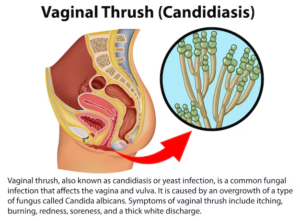
Ayurvedic Treatment for Candida Infection: A Comprehensive Guide are a common and often troublesome health issue,... Continue reading
Ayurvedic Approach to Encephalitis: A Holistic Healing Path is a serious medical condition characterized by inflammation... Continue reading

Ayurvedic Approach to Managing Fatty Liver Disease (NAFLD), particularly Non-Alcoholic Fatty Liver Disease (NAFLD), has emerged... Continue reading

Hematuria and Ayurvedic Treatment: A Comprehensive Guide to Understanding and Managing Blood in Urine the presence... Continue reading
Add comment