
No products in the cart.
Return To ShopAyurvedic Approaches to Bone Health: A Holistic Perspective
Ayurvedic Approaches to Bone Health: A Holistic Perspective Bone health is a critical aspect of overall well-being, and maintaining strong, resilient bones is essential for a good quality of life. While conventional medicine offers various strategies for bone health, Ayurveda, the ancient system of medicine from India, provides a holistic approach that emphasizes balance and harmony within the body. This blog explores Ayurvedic perspectives on bone health, focusing on dietary practices, lifestyle recommendations, and herbal remedies to promote and maintain strong bones.
Understanding Ayurveda and Bone Health
Ayurveda is a traditional Indian system of medicine that seeks to balance the body’s three primary energies, or doshas—Vata, Pitta, and Kapha. According to Ayurveda, bone health is closely related to the balance of these doshas, particularly Vata dosha, which governs the skeletal system.
In Ayurvedic terms, bones are considered part of the “Asthi Dhatu” (bone tissue), one of the seven dhatus or bodily tissues. The health of Asthi Dhatu is dependent on proper nourishment and the balance of Vata dosha. A disturbance in this balance can lead to conditions such as osteoporosis, arthritis, and other skeletal issues.
Key Ayurvedic Principles for Bone Health
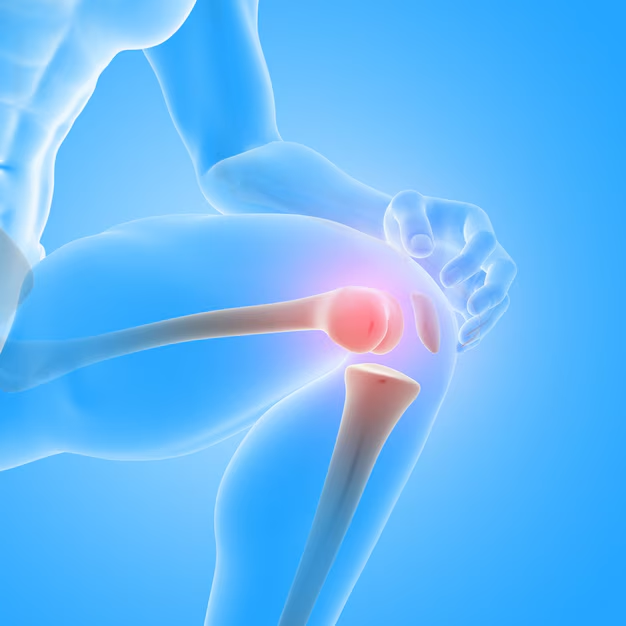
- Balancing Vata DoshaVata dosha is responsible for movement and structure in the body. When Vata is imbalanced, it can lead to dryness and weakness in the bones. To balance Vata and promote bone health, Ayurveda recommends:
- Warm, Nourishing Foods: Incorporate foods that are warm, oily, and moist. Soups, stews, and cooked vegetables with healthy fats like ghee are excellent choices.
- Regular Routine: Adhering to a consistent daily routine helps maintain Vata balance. This includes regular meal times, adequate sleep, and routine physical activity.
- Hydration: Adequate hydration is crucial. Drinking warm herbal teas or infused water can help maintain moisture in the body.
- Supporting Asthi DhatuAccording to Ayurveda, the health of Asthi Dhatu is supported by proper nourishment and digestion. Key factors include:
- Nutrient-Rich Foods: Incorporate foods rich in calcium, magnesium, and phosphorus. Ayurvedic sources of these nutrients include sesame seeds, leafy greens, and dairy products.
- Digestive Health: A well-functioning digestive system is essential for nutrient absorption. Herbs such as ginger and turmeric can enhance digestion and absorption.
- Lifestyle PracticesAyurveda emphasizes lifestyle practices that support overall well-being and bone health:
- Physical Activity: Engage in moderate, weight-bearing exercises like yoga or walking. Yoga poses that focus on strength and flexibility can enhance bone density and balance.
- Sun Exposure: Adequate exposure to sunlight is important for vitamin D synthesis, which is crucial for bone health. Aim for 15-30 minutes of sun exposure daily, depending on skin type and climate.
- Adequate Sleep: Quality sleep supports bone health by allowing the body to repair and regenerate. Aim for 7-9 hours of restful sleep each night.
Ayurvedic Dietary Recommendations for Bone Health
- Calcium-Rich Foods
- Sesame Seeds: Rich in calcium and beneficial fats, sesame seeds can be added to salads, smoothies, or used to make tahini.
- Leafy Greens: Spinach, kale, and collard greens are excellent sources of calcium and other essential nutrients.
- Dairy Products: Ghee, yogurt, and milk are traditional Ayurvedic sources of calcium and protein.
- Herbs and Spices
- Turmeric: Known for its anti-inflammatory properties, turmeric helps in maintaining healthy bones and reducing joint pain.
- Ginger: This warming herb aids digestion and helps reduce inflammation, supporting overall bone health.
- Ashwagandha: This adaptogenic herb helps balance Vata dosha and supports bone strength and overall vitality.
- Healthy Fats
- Ghee: Clarified butter is an essential part of Ayurvedic nutrition.
- Nuts and Seeds: Almonds, walnuts, and chia seeds provide healthy fats and essential nutrients for bone health.
Ayurvedic Herbal Remedies for Bone Health
- Bala (Sida cordifolia)Bala is an Ayurvedic herb known for its strengthening and nourishing properties. It supports the musculoskeletal system and is often used in formulations aimed at enhancing bone health.
- Guduchi (Tinospora cordifolia)Guduchi, also known as Giloy, is known for its immune-boosting and rejuvenating properties. It supports the body’s natural healing processes and helps maintain overall vitality, including bone health.
- TriphalaTriphala, a blend of three fruits—Amla, Bibhitaki, and Haritaki—is renowned for its digestive benefits. A healthy digestive system aids in the absorption of essential nutrients necessary for bone health.
Preventive Measures and Bone Health Maintenance
- Regular Check-upsRegular check-ups with an Ayurvedic practitioner can help monitor your bone health and dosha balance.
- Stress ManagementChronic stress can impact bone health by affecting hormonal balance and increasing inflammation. Incorporate stress-reducing practices such as meditation, breathing exercises, and mindfulness into your routine.
- Avoid Excessive Caffeine and AlcoholExcessive caffeine and alcohol can negatively affect bone health. Moderation is key, and it’s beneficial to focus on hydration and nutrient-dense foods.
Integrating Ayurveda into Modern Life
Integrating Ayurvedic principles into modern life can provide a balanced approach to maintaining bone health.
- Personalized ApproachAyurveda emphasizes personalization based on individual dosha types, health conditions, and lifestyle factors. Working with an Ayurvedic practitioner can help tailor recommendations to meet your specific needs.
- Combining Modern and Traditional ApproachesCombining Ayurvedic practices with conventional medical advice ensures a comprehensive approach to bone health. For example, while Ayurveda promotes nutrient-rich foods, conventional medicine provides diagnostic tools and treatments for bone conditions.
- Education and AwarenessEducating yourself about both Ayurvedic and conventional approaches to bone health can empower you to make informed decisions and adopt practices that support long-term well-being.
Conclusion
Ayurveda offers valuable insights into maintaining and improving bone health through a holistic approach that integrates diet, Ayurvedic Approaches to Bone Health: A Holistic Perspective lifestyle, and herbal remedies. By balancing Vata dosha, supporting Asthi Dhatu, and incorporating nourishing foods and practices, you can enhance bone strength and overall vitality. Combining Ayurvedic wisdom with modern medical knowledge allows for a comprehensive approach to bone health, ensuring that you can maintain strong, healthy bones throughout your life. Embrace the principles of Ayurveda to achieve a balanced and harmonious state of well-being, supporting not only your bones but your overall health and vitality.


About author

Related posts

Atrial Fibrillation and Ayurveda: A Natural Path to Heart Health is a common heart condition that... Continue reading
Ayurvedic Treatment for Candida Infection: A Comprehensive Guide are a common and often troublesome health issue,... Continue reading
Ayurvedic Approach to Encephalitis: A Holistic Healing Path is a serious medical condition characterized by inflammation... Continue reading

Ayurvedic Approach to Managing Fatty Liver Disease (NAFLD), particularly Non-Alcoholic Fatty Liver Disease (NAFLD), has emerged... Continue reading

Hematuria and Ayurvedic Treatment: A Comprehensive Guide to Understanding and Managing Blood in Urine the presence... Continue reading
Add comment