
No products in the cart.
Return To ShopAyurvedic Skincare: Embrace Natural Beauty with Timeless Remedies
Ayurvedic Skincare: Embrace Natural Beauty with Timeless Remedies
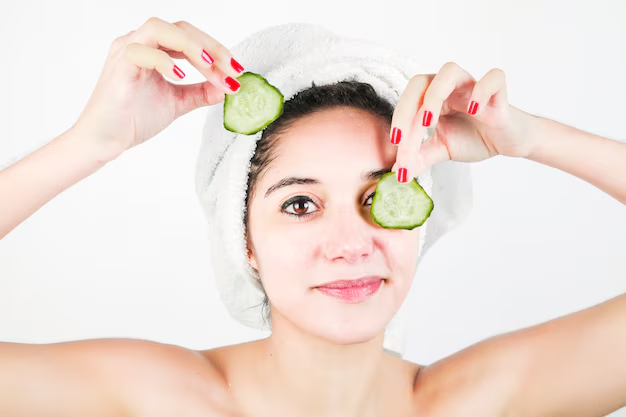
In a world where skincare routines often involve a myriad of products filled with synthetic ingredients, it’s refreshing to turn back to ancient wisdom. Ayurveda, a holistic system of medicine that originated in India over 5,000 years ago, offers a treasure trove of natural remedies for achieving radiant and healthy skin. In this blog, we’ll explore the principles of Ayurvedic skincare and delve into some effective, time-honored remedies that can transform your beauty regimen.
Understanding Ayurveda and Its Approach to Skincare
Ayurveda, which translates to “the science of life,” is a comprehensive system of medicine that emphasizes balance in the body, mind, and spirit. It operates on the principle that each person has a unique constitution or dosha—Vata, Pitta, and Kapha—which influences their physical and mental characteristics. According to Ayurvedic Skincare imbalances in these doshas can lead to skin issues and other health problems.
Ayurvedic skincare is not just about treating the surface of the skin; it’s about addressing the root causes of skin problems by restoring balance to the body as a whole. This approach involves understanding your dosha, using natural ingredients, and adopting lifestyle Ayurvedic Skincare practices that support overall well-being.
The Three Doshas and Their Influence on Skin
- Vata: Characterized by qualities such as dryness, coolness, and lightness, Vata skin tends to be dry, rough, and prone to flakiness. Individuals with a predominance of Vata often need extra hydration and nourishment.
- Pitta: Associated with heat, moisture, and intensity, Pitta skin can be sensitive, prone to redness, inflammation, and acne. Balancing Pitta involves cooling and soothing treatments.
- Kapha: Known for its stability, heaviness, and moisture, Kapha skin can be oily, prone to congestion, and prone to dullness. Kapha types benefit from balancing excess oil and stimulating circulation.
Essential Ayurvedic Ingredients for Skincare
Ayurveda utilizes a wide range of natural ingredients, each with unique properties that cater to different skin types and conditions. Here are some key ingredients and their benefits:
- Turmeric: Renowned for its anti-inflammatory and antimicrobial properties, turmeric can help reduce redness, blemishes, and signs of aging. It is commonly used in face masks and serums.
- Neem: With its powerful antibacterial and antifungal properties, neem is excellent for treating acne and skin infections. It helps purify the skin and balance excess oil.
- Aloe Vera: Known for its soothing and hydrating qualities, aloe vera is perfect for calming irritated skin and providing deep moisture.
- Rosewater: Rosewater helps balance skin pH, reduce redness, and provide a refreshing burst of hydration. It’s often used as a toner or facial mist.
- Sandalwood: This ingredient is prized for its cooling and anti-inflammatory effects. It helps in reducing blemishes, soothing irritated skin, and imparting a natural glow.
Ayurvedic Skincare Routine

Adopting an Ayurvedic skincare routine involves a few key steps that align with the principles of balancing the doshas. Here’s a comprehensive routine to achieve glowing skin:
1. Cleansing
Start with a gentle, natural cleanser that suits your dosha. For Vata skin, opt for creamy, hydrating cleansers containing ingredients like milk or honey. Pitta skin benefits from cooling, herbal cleansers with ingredients like neem or rose. Kapha Ayurvedic Skincare should use a foaming or clay-based cleanser to help remove excess oil and impurities.
DIY Cleansing Recipe for Vata Skin:
- Mix 1 tablespoon of honey with 1 teaspoon of milk.
- Apply to the face, gently massaging in circular motions.
- Rinse off with lukewarm water.
2. Exfoliation
Ayurvedic Skincare Exfoliating removes dead skin cells and promotes cell renewal. Choose exfoliants that are gentle and natural. For Vata skin, use mild exfoliants like rice flour or oatmeal. Pitta skin can benefit from soothing ingredients like sandalwood powder. Kapha skin may use more robust exfoliants like sugar or coffee grounds to combat excess oil.
DIY Exfoliation Recipe for Kapha Skin:
- Mix 1 tablespoon of coffee grounds with 1 tablespoon of yogurt.
- Gently scrub the mixture onto the skin.
- Rinse off with warm water.
3. Toning
Toning helps to balance the skin’s pH and prepare it for moisturizing. Rosewater is a popular choice in Ayurveda for its soothing and hydrating properties. Ayurvedic Skincare Simply spritz rosewater onto your face or use it as a part of your daily routine.
DIY Toner Recipe:
- Mix 1 part rosewater with 1 part distilled water.
- Apply with a cotton pad or spray bottle.
4. Moisturizing
Moisturizing is crucial for all skin types. Vata skin requires rich, nourishing creams or oils. Pitta skin benefits from lightweight, cooling moisturizers. Kapha skin needs non-greasy, hydrating gels or lotions.
DIY Moisturizer Recipe for Pitta Skin:
- Combine 1 tablespoon of aloe vera gel with 1 teaspoon of rosewater.
- Apply to the face, focusing on areas prone to inflammation.
5. Face Masks
Incorporate weekly face masks to address specific skin concerns. Choose ingredients based on your dosha.
DIY Face Mask for Vata Skin:
- Mix 1 tablespoon of yogurt with 1 teaspoon of honey and a pinch of turmeric.
- Apply to the face and leave on for 15 minutes before rinsing off.
DIY Face Mask for Kapha Skin:
- Combine 1 tablespoon of clay powder with 1 teaspoon of apple cider vinegar.
- Apply to the face and let it dry before rinsing.
Additional Ayurvedic Practices for Glowing Skin
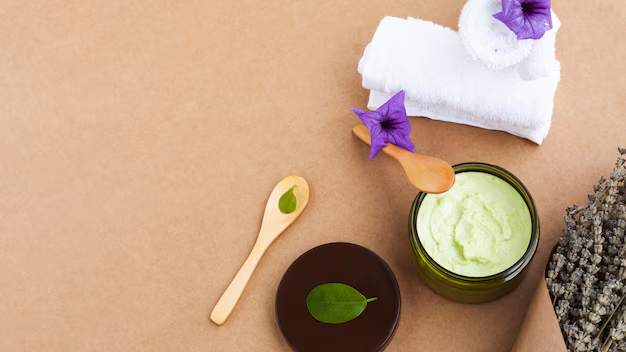
- Abhyanga (Self-Massage): Regularly massaging your body with warm oil improves circulation and nourishes the skin. For Vata skin, use sesame oil. Pitta skin can benefit from cooling coconut oil, while Kapha types may use lightweight oils like almond or grapeseed.
- Hydration: Drinking plenty of water and herbal teas is essential for maintaining skin hydration and overall health. Ayurvedic teas such as chamomile or mint can be particularly soothing.
- Diet and Lifestyle: Ayurveda emphasizes the importance of a balanced diet and healthy lifestyle. Incorporate fresh fruits, vegetables, and whole grains into your diet, and avoid excessive consumption of processed foods. Regular exercise, adequate sleep, and stress management also play a vital role in achieving healthy skin.
Conclusion
Ayurvedic skincare offers a holistic and natural approach to achieving radiant, healthy skin. By understanding your dosha and incorporating time-tested remedies, you can create a skincare routine that not only enhances your appearance but also supports your overall well-being. Embrace the wisdom of Ayurveda and experience the transformative power of nature’s finest ingredients.
By integrating these principles and practices into your daily routine, you can enjoy the benefits of beautiful, balanced skin that reflects your inner health and harmony.


About author

Related posts

Atrial Fibrillation and Ayurveda: A Natural Path to Heart Health is a common heart condition that... Continue reading

Ayurvedic Treatment for Candida Infection: A Comprehensive Guide are a common and often troublesome health issue,... Continue reading

Ayurvedic Approach to Encephalitis: A Holistic Healing Path is a serious medical condition characterized by inflammation... Continue reading

Ayurvedic Approach to Managing Fatty Liver Disease (NAFLD), particularly Non-Alcoholic Fatty Liver Disease (NAFLD), has emerged... Continue reading

Hematuria and Ayurvedic Treatment: A Comprehensive Guide to Understanding and Managing Blood in Urine the presence... Continue reading
Add comment