
No products in the cart.
Return To ShopMoringa’s Health Benefits c
Moringa’s Health Benefits The Nutritional Powerhouse
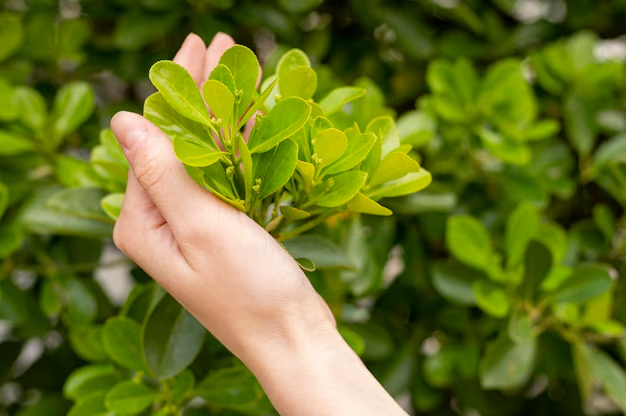
The Nutritional Powerhouse of superfoods, few plants can rival the impressive nutritional profile of moringa. Often referred to as the “drumstick tree” or “miracle tree,” moringa has been a staple in traditional medicine for centuries. Its leaves, seeds, and pods are celebrated for their potential health benefits, making it a popular choice for those looking to enhance their diet with a natural nutritional powerhouse. This blog delves into the myriad ways moringa can contribute to your health and wellness, exploring its nutrient content, benefits, and how you can incorporate it into your daily routine.
Nutritional Profile of Moringa
Moringa oleifera, commonly known as moringa, is a tree native to the Indian subcontinent. It is renowned for its rich nutrient profile, with its leaves being the most valued part. Moringa leaves are packed with essential vitamins, minerals, and antioxidants that can have a profound impact on health.
- Vitamins: Moringa leaves are an excellent source of vitamins A, C, and E. Vitamin A is crucial for eye health, immune function, and skin health. Vitamin C is known for its antioxidant properties and its role in collagen production, while vitamin E contributes to cellular health and may help protect against chronic diseases.
- Minerals: The leaves are also rich in calcium, potassium, and iron. Calcium is essential for bone health, potassium helps regulate blood pressure, and iron is necessary for oxygen transport and energy production.
- Proteins: Moringa leaves contain a significant amount of protein, including all essential amino acids. This makes it an excellent plant-based protein source, especially important for those following vegetarian or vegan diets.
- Antioxidants: Moringa is packed with powerful antioxidants such as quercetin, chlorogenic acid, and beta-carotene. Antioxidants help combat oxidative stress and reduce inflammation, potentially lowering the risk of chronic diseases.
Health Benefits of Moringa
- Anti-Inflammatory and Antioxidant Properties
The Nutritional Powerhouse Moringa’s high antioxidant content makes it a potent ally in fighting inflammation and oxidative stress. Chronic inflammation is linked to a range of health issues, including heart disease, diabetes, and cancer. Moringa’s antioxidants, such as quercetin and chlorogenic acid, help neutralize free radicals and reduce inflammation, potentially mitigating these risks.
- Supports Immune Function
The Nutritional Powerhouse vitamins and minerals in moringa contribute to a robust immune system. Vitamin C and vitamin A are known for their immune-boosting properties, while iron supports the production of red blood cells, which are crucial for transporting oxygen throughout the body. Regular consumption of moringa can help strengthen the immune response and improve overall health.
- Promotes Digestive Health
Moringa leaves are a rich source of dietary fiber, which is essential for digestive health. Fiber aids in digestion by promoting regular bowel movements and preventing constipation. Additionally, the anti-inflammatory properties of moringa may help soothe the digestive tract and reduce symptoms of gastrointestinal disorders.
- Supports Healthy Blood Sugar Levels
The Nutritional Powerhouse Studies have suggested that moringa may help regulate blood sugar levels. The chlorogenic acid in moringa has been shown to have a beneficial effect on glucose metabolism, which can be particularly helpful for individuals with diabetes or those at risk of developing the condition. Maintaining stable blood sugar levels is crucial for overall health and energy levels.
- Enhances Skin Health
The Nutritional Powerhouse antioxidants and vitamins in moringa can have a positive impact on skin health. Vitamin A is essential for maintaining healthy skin, while vitamin C supports collagen production, which can improve skin elasticity and reduce the appearance of wrinkles. Moringa’s anti-inflammatory properties may also help soothe skin conditions such as acne and eczema.
- Supports Bone Health
The Nutritional Powerhouse Moringa’s rich calcium and phosphorus content makes it beneficial for bone health. Calcium is a key mineral for maintaining bone density and strength, while phosphorus helps with the formation and maintenance of healthy bones and teeth. Regular consumption of moringa can contribute to overall skeletal health and help prevent conditions such as osteoporosis.
- Boosts Energy Levels
The Nutritional Powerhouse combination of essential vitamins, minerals, and proteins in moringa can help boost energy levels. Iron plays a crucial role in preventing anemia, a condition that can cause fatigue and weakness. By supporting healthy red blood cell production and providing a steady source of protein, moringa can help sustain energy levels throughout the day.
- May Aid in Weight Management
The Nutritional Powerhouse moringa into your diet may also support weight management efforts. Its high fiber content helps promote satiety, reducing the likelihood of overeating. Additionally, the antioxidants in moringa can help support a healthy metabolism, which is important for maintaining a healthy weight.
How to Incorporate Moringa into Your Diet
The Nutritional Powerhouse Moringa can be enjoyed in various forms, making it easy to integrate into your daily routine. Here are some popular ways to incorporate moringa into your diet:
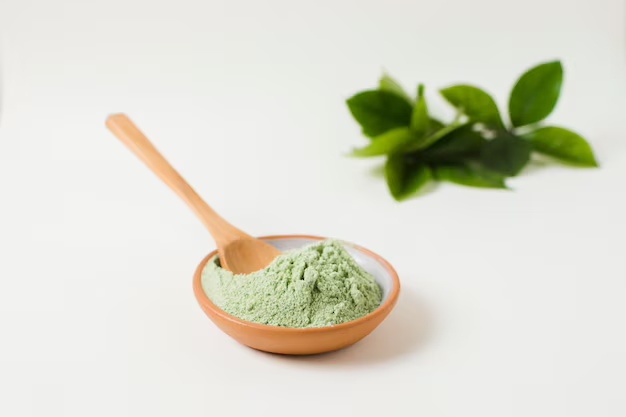
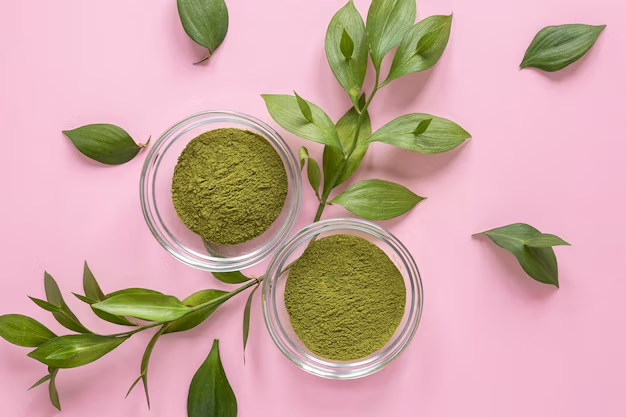
- Moringa Powder: One of the most convenient ways to consume moringa is in powder form. You can add moringa powder to smoothies, soups, and salads, or mix it with water or juice. Just a small amount can provide a significant nutritional boost.
- Moringa Tea: Moringa tea is a great way to enjoy the benefits of moringa in a soothing beverage. You can brew dried moringa leaves to make tea, which can be enjoyed hot or iced.
- Moringa Capsules: For those who prefer a more straightforward approach, moringa capsules are available as dietary supplements. They offer a convenient way to get your daily dose of moringa without the need for preparation.
- Fresh Moringa Leaves: If you have access to fresh moringa leaves, you can add them to salads, soups, or stir-fries. Fresh leaves have a mild, spinach-like flavor that can complement a variety of dishes.
Precautions and Considerations\
While moringa is generally safe for most people, there are a few considerations to keep in mind:
- Consult with Healthcare Providers: If you are pregnant, breastfeeding, or have underlying health conditions, it’s a good idea to consult with a healthcare provider before adding moringa to your diet.
- Quality Matters: Ensure you purchase moringa products from reputable sources to avoid contaminants and ensure product quality.
- Dosage: Start with a small amount of moringa and gradually increase as needed. This can help you gauge how your body responds to it.
Conclusion
The Nutritional Powerhouse Moringa’s impressive nutritional profile and potential health benefits make it a valuable addition to any diet. From its antioxidant and anti-inflammatory properties to its role in supporting immune function and digestive health, moringa stands out as a versatile superfood. By incorporating moringa into your daily routine, you can take advantage of its many benefits and support overall health and well-being. Whether The Nutritional Powerhouse you choose moringa powder, tea, capsules, or fresh leaves, this remarkable plant offers a wealth of nutritional advantages that can help you lead a healthier, more vibrant life.


About author

Related posts

Atrial Fibrillation and Ayurveda: A Natural Path to Heart Health is a common heart condition that... Continue reading
Ayurvedic Treatment for Candida Infection: A Comprehensive Guide are a common and often troublesome health issue,... Continue reading

Ayurvedic Approach to Encephalitis: A Holistic Healing Path is a serious medical condition characterized by inflammation... Continue reading
Ayurvedic Approach to Managing Fatty Liver Disease (NAFLD), particularly Non-Alcoholic Fatty Liver Disease (NAFLD), has emerged... Continue reading

Hematuria and Ayurvedic Treatment: A Comprehensive Guide to Understanding and Managing Blood in Urine the presence... Continue reading
Add comment