
No products in the cart.
Return To ShopThe Healing Power of Ayurveda and Moringa: A Deep Dive into Nature’s Remedy
The Healing Power of Ayurveda and Moringa: A Deep Dive into Nature’s Remedy In the realm of natural medicine, Ayurveda stands as an ancient and profound system of healing, deeply rooted in the holistic principles of balance and harmony. Moringa, often referred to as the “Miracle Tree,” has emerged as a powerful ally within this tradition. This blog explores the synergies between Ayurveda and Moringa, unraveling their combined potential for wellness.
Understanding Ayurveda
Ayurveda, which translates to “the science of life,” originated in India over 5,000 years ago. This ancient system is based on the belief that health and wellness depend on a delicate balance between the mind, body, and spirit. It emphasizes prevention, natural healing, and the treatment of root causes rather than merely symptoms.
Central to Ayurveda is the concept of the three doshas—Vata, Pitta, and Kapha. These doshas are considered to be the fundamental energies that govern our physiological and psychological functions. Each individual has a unique dosha constitution, and Ayurvedic treatments aim to restore balance when these doshas become imbalanced.
Moringa: The Miracle Tree
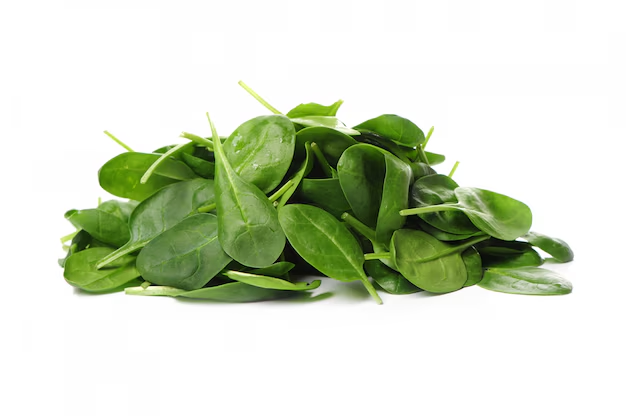
Moringa oleifera, commonly known as Moringa, is a plant native to parts of Africa and Asia. Often called the “Miracle Tree” or “Drumstick Tree,” Moringa is revered for its remarkable nutritional profile and therapeutic properties.
Nutritional Powerhouse
Moringa leaves are rich in essential nutrients. They contain:
- Vitamins: Moringa is packed with vitamins A, C, and E, which are crucial for immune function, skin health, and cellular repair.
- Minerals: The plant is a good source of calcium, potassium, iron, and magnesium, supporting bone health, blood pressure regulation, and overall vitality.
- Proteins: Moringa leaves provide a significant amount of protein, including all nine essential amino acids, making them an excellent source of plant-based protein.
- Antioxidants: Moringa is abundant in antioxidants like quercetin, chlorogenic acid, and beta-carotene, which help neutralize free radicals and reduce oxidative stress.
Medicinal Uses in Traditional Practices
In traditional medicine, Moringa has been used for a variety of ailments. Its potential benefits include:
- Anti-inflammatory Properties: Moringa’s compounds have been shown to reduce inflammation, which is beneficial for conditions like arthritis and asthma.
- Blood Sugar Regulation: Research suggests that Moringa can help stabilize blood sugar levels, which is advantageous for individuals with diabetes.
- Digestive Health: Moringa is known to support digestion by promoting a healthy gut microbiome and reducing gastrointestinal issues.
- Antimicrobial Activity: The plant’s extracts have demonstrated antimicrobial properties, making them useful for preventing infections.
Integrating Moringa with Ayurvedic Principles
Ayurveda and Moringa complement each other beautifully, with Moringa serving as a valuable addition to Ayurvedic treatments and daily health practices. Here’s how Moringa aligns with Ayurvedic principles:
Balancing the Doshas
- Vata: Vata dosha, characterized by its dry, light, and cool qualities, can benefit from Moringa’s nourishing and hydrating properties. The rich nutrient content of Moringa helps stabilize Vata imbalances, promoting overall well-being.
- Pitta: Moringa’s cooling and anti-inflammatory effects make it a good choice for balancing the fiery and intense qualities of Pitta dosha. It helps soothe inflammation and reduce heat in the body.
- Kapha: With its slightly astringent and stimulating properties, Moringa can help balance Kapha dosha by countering its heavy and sluggish characteristics.
Enhancing Digestive Health
Ayurveda places a strong emphasis on digestion, considering it the cornerstone of good health. Moringa supports digestive health by promoting a healthy appetite, reducing bloating, and improving nutrient absorption.
Detoxification
Ayurvedic practices often involve detoxification processes to remove accumulated toxins (ama) from the body. Moringa’s antioxidant properties aid in detoxification by neutralizing free radicals and supporting liver function.
How to Incorporate Moringa into Your Ayurvedic Routine
Integrating Moringa into your daily routine can be both simple and beneficial. Here are some practical ways to do so:
Moringa Tea
The Healing Power of Ayurveda and Moringa One of the easiest ways to enjoy Moringa is through tea. Moringa tea is made by steeping dried Moringa leaves in hot water. It can be consumed daily to support overall health and well-being. Add honey or lemon for enhanced flavor and additional health benefits.
Moringa Powder
Moringa powder is a versatile supplement that can be added to smoothies, soups, and salads. It provides a concentrated dose of nutrients and is a convenient way to incorporate Moringa into your diet.
Moringa Capsules
For those who prefer a more straightforward approach, Moringa capsules are available. They offer a precise dosage of Moringa’s benefits and are ideal for those with busy lifestyles.
Ayurvedic Recipes
Integrate Moringa into traditional Ayurvedic recipes such as Kitchari (a healing blend of rice and lentils) or in vegetable curries. This not only enhances the nutritional value of your meals but also aligns with Ayurvedic dietary principles.
Precautions and Considerations
While Moringa offers numerous benefits, it’s essential to use it mindfully:
- Dosage: Follow recommended dosages, especially when using Moringa supplements. Excessive consumption can lead to digestive discomfort.
- Pregnancy and Breastfeeding: Consult a healthcare provider before using Moringa during pregnancy or breastfeeding.
- Medication Interactions: If you’re on medication, particularly blood thinners or antihypertensives, consult with your healthcare provider before incorporating Moringa.
Conclusion
Ayurveda and Moringa together offer a powerful approach to health and wellness. Moringa’s rich nutritional profile and therapeutic The Healing Power of Ayurveda and Moringa properties align seamlessly with Ayurvedic principles, enhancing the body’s balance and vitality. Whether through tea, powder, or capsules, incorporating Moringa into your daily routine can complement your Ayurvedic practices and support overall well-being.
Embracing the wisdom of Ayurveda and the healing potential of Moringa can pave the way for a healthier, more balanced life. As with any natural remedy, it’s crucial to approach Moringa with mindfulness and consult with healthcare professionals to ensure it aligns with your individual health needs. By doing so, you harness the full potential of these ancient and modern healing practices for a harmonious and vibrant life.


About author

Related posts

Atrial Fibrillation and Ayurveda: A Natural Path to Heart Health is a common heart condition that... Continue reading
Ayurvedic Treatment for Candida Infection: A Comprehensive Guide are a common and often troublesome health issue,... Continue reading

Ayurvedic Approach to Encephalitis: A Holistic Healing Path is a serious medical condition characterized by inflammation... Continue reading

Ayurvedic Approach to Managing Fatty Liver Disease (NAFLD), particularly Non-Alcoholic Fatty Liver Disease (NAFLD), has emerged... Continue reading

Hematuria and Ayurvedic Treatment: A Comprehensive Guide to Understanding and Managing Blood in Urine the presence... Continue reading
Add comment