
No products in the cart.
Return To ShopUnlocking the Power of Chia Seeds: A Comprehensive Guide
Unlocking the Power of Chia Seeds: A Comprehensive Guide In the world of superfoods, chia seeds have emerged as a nutritional powerhouse that’s hard to ignore. Tiny yet mighty, these seeds have been celebrated for their impressive health benefits and versatile uses. If you’re curious about how such a small seed can pack a big punch, this blog will delve into the origins, benefits, uses, and tips for incorporating chia seeds into your diet.
What Are Chia Seeds?
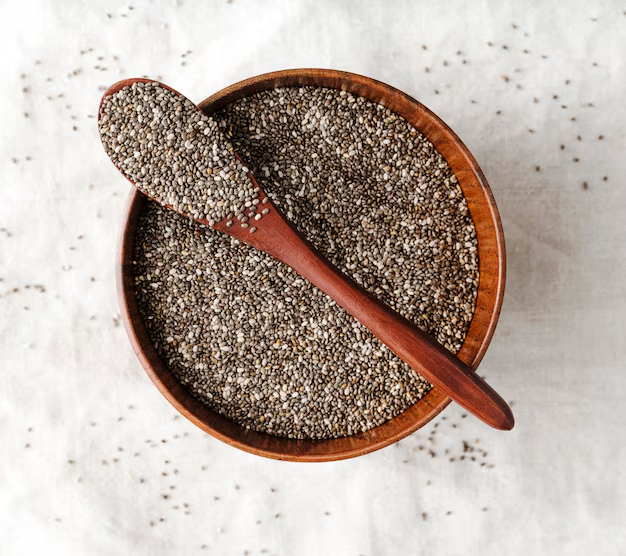
Chia seeds come from the plant Salvia hispanica, which belongs to the mint family. Originally cultivated by the Aztecs and Mayans, these seeds were a staple in their diets due to their high nutritional value. The word “chia” itself means “strength” in the Mayan language, reflecting their powerful impact on health and vitality.
Chia seeds are small, oval-shaped, and come in various colors, including black, white, and brown. They have a neutral flavor, making them incredibly versatile for a variety of dishes.
Nutritional Profile
Chia seeds are often touted for their rich nutrient profile. Here’s a closer look at what these tiny seeds bring to the table:
- Omega-3 Fatty Acids: Chia seeds are one of the best plant-based sources of omega-3 fatty acids, particularly alpha-linolenic acid (ALA). Omega-3s are essential for heart health, brain function, and reducing inflammation.
- Fiber: A single ounce (28 grams) of chia seeds contains about 11 grams of fiber, which is roughly one-third of the daily recommended intake. Fiber aids in digestion, helps maintain healthy blood sugar levels, and can assist in weight management.
- Protein: Chia seeds offer around 4 grams of protein per ounce. While not as high as animal proteins, they provide all nine essential amino acids, making them a complete protein source for vegetarians and vegans.
- Minerals: These seeds are a good source of various minerals, including calcium, magnesium, and phosphorus. Calcium is crucial for bone health, while magnesium and phosphorus support energy production and bone formation.
- Antioxidants: Chia seeds are rich in antioxidants, which help combat oxidative stress and protect your cells from damage. Antioxidants can also contribute to overall well-being by reducing the risk of chronic diseases.
Health Benefits of Chia Seeds
Incorporating chia seeds into your diet can lead to numerous health benefits. Here are some of the key advantages:
- Heart Health: The high content of omega-3 fatty acids in chia seeds can help reduce inflammation, lower blood pressure, and improve overall cardiovascular health. Studies suggest that regular consumption of omega-3s may decrease the risk of heart disease.
- Digestive Health: Chia seeds are an excellent source of dietary fiber, which aids in digestion and promotes regular bowel movements. The soluble fiber in chia seeds can also help manage blood sugar levels and reduce the risk of type 2 diabetes.
- Weight Management: Due to their high fiber content and ability to absorb water, chia seeds can help you feel full and satisfied for longer periods. This can lead to reduced overall calorie intake and support weight loss efforts.
- Bone Health: The combination of calcium, magnesium, and phosphorus in chia seeds makes them a great option for maintaining strong and healthy bones. These minerals are essential for bone density and overall skeletal health.
- Improved Blood Sugar Control: Some studies have shown that chia seeds can help stabilize blood sugar levels, which is particularly beneficial for individuals with diabetes or those at risk of developing diabetes.
- Enhanced Exercise Performance: The combination of protein, fiber, and omega-3s can support muscle recovery and energy levels. Chia seeds have been used by athletes for centuries to enhance endurance and performance.
How to Incorporate Chia Seeds into Your Diet
One of the best things about chia seeds is their versatility. They can be easily incorporated into a wide range of dishes and recipes. Here are some ideas to get you started:
- Chia Pudding: A popular and easy way to enjoy chia seeds is by making chia pudding. Simply mix chia seeds with your choice of milk (dairy or plant-based), add a sweetener like honey or maple syrup, and let it sit in the refrigerator overnight. In the morning, you’ll have a creamy, nutritious pudding that can be topped with fruit, nuts, or granola.
- Smoothies: Adding chia seeds to your smoothies is a great way to boost their nutritional content. Just toss a tablespoon of chia seeds into your blender along with your favorite fruits, vegetables, and a liquid base. The seeds will blend seamlessly and add a pleasant texture.
- Baked Goods: Chia seeds can be incorporated into baked goods like muffins, bread, and granola bars. They can also be used as an egg substitute in vegan baking. To replace one egg, mix one tablespoon of chia seeds with three tablespoons of water and let it sit until it forms a gel-like consistency.
- Salads: Sprinkle chia seeds on top of your salads for an added crunch and nutritional boost. They can be used in dressings or as a garnish to enhance both flavor and health benefits.
- Soups and Stews: Chia seeds can be added to soups and stews as a thickening agent. They absorb liquid and create a gel-like texture, which can help thicken your soups while adding nutritional value.
- Homemade Energy Bars: Chia seeds are a great ingredient for homemade energy bars. Combine them with nuts, seeds, dried fruit, and a binding agent like honey or almond butter to create a nutritious and satisfying snack.
Tips for Using Chia Seeds
While chia seeds are generally safe for most people, here are some tips to ensure you get the most out of them:
- Hydration: Chia seeds absorb a lot of liquid, so it’s important to consume them with plenty of water. When making chia pudding or adding them to other recipes, ensure there is enough liquid to allow them to expand and create the desired texture.
- Storage: Store chia seeds in an airtight container in a cool, dry place. They have a long shelf life but can lose their freshness over time. For optimal freshness, use them within six months of opening.
- Start Small: If you’re new to chia seeds, start with a small amount and gradually increase your intake. This can help your digestive system adjust to the high fiber content.
- Consider Grinding: Some people prefer to grind chia seeds before consuming them. Grinding can make it easier for your body to absorb the nutrients. You can use a coffee grinder or a high-powered blender to achieve a fine powder.
Potential Side Effects
While chia seeds are generally well-tolerated, some people may experience digestive issues if they consume them in large quantities. The high fiber content can cause bloating or discomfort for some individuals. It’s best to start with a small amount and see how your body reacts.
If you have any health conditions or are on specific medications, it’s always a good idea to consult with a healthcare professional before making significant changes to your diet.
Conclusion
Chia seeds are a remarkable superfood that offers a wide range of health benefits and culinary possibilities. From heart health and digestive support to weight management and bone strength, these tiny seeds pack a nutritional punch. By incorporating chia seeds into your daily diet, you can enjoy their numerous health benefits while adding variety to your meals. Whether you’re making chia pudding, adding them to smoothies, or using them in baked goods, chia seeds are a versatile and valuable addition to a balanced diet. Embrace the power of chia seeds and unlock their potential for a healthier, more vibrant you.

About author

Related posts

Atrial Fibrillation and Ayurveda: A Natural Path to Heart Health is a common heart condition that... Continue reading
Ayurvedic Treatment for Candida Infection: A Comprehensive Guide are a common and often troublesome health issue,... Continue reading
Ayurvedic Approach to Encephalitis: A Holistic Healing Path is a serious medical condition characterized by inflammation... Continue reading
Ayurvedic Approach to Managing Fatty Liver Disease (NAFLD), particularly Non-Alcoholic Fatty Liver Disease (NAFLD), has emerged... Continue reading
Hematuria and Ayurvedic Treatment: A Comprehensive Guide to Understanding and Managing Blood in Urine the presence... Continue reading
Add comment