
No products in the cart.
Return To ShopThe Power of Flax Seeds: A Comprehensive Guide
The Power of Flax Seeds: A Comprehensive Guide Flax seeds, often hailed as one of the healthiest foods on the planet, have been a staple in human diets for thousands of years. Their use dates back to ancient civilizations, including the Egyptians and Greeks, who valued them not only for their nutritional benefits but also for their medicinal properties. In modern times, flax seeds have experienced a resurgence in popularity as more people seek natural ways to improve their health and wellness. This blog delves into the numerous benefits of flax seeds, how to incorporate them into your diet, and their potential role in various health conditions.
Nutritional Profile
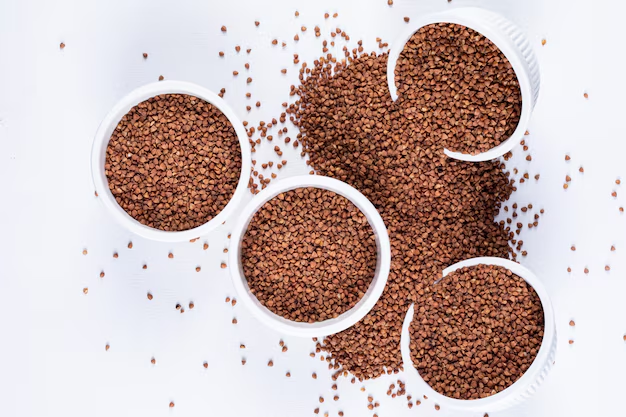
Flax seeds are tiny powerhouses packed with essential nutrients. Here’s a breakdown of their nutritional content:
1. Omega-3 Fatty Acids
Flax seeds are one of the best plant-based sources of alpha-linolenic acid (ALA), a type of omega-3 fatty acid. Omega-3s are crucial for heart health, reducing inflammation, and supporting brain function. A single tablespoon of flaxseed oil provides about 7 grams of ALA, surpassing the daily recommended intake for omega-3s.
2. Fiber
Flax seeds are rich in both soluble and insoluble fiber. Soluble fiber helps to regulate blood sugar levels and lower cholesterol, while insoluble fiber promotes digestive health by adding bulk to stool and aiding in regular bowel movements. A tablespoon of whole flax seeds contains about 3 grams of fiber.
3. Lignans
Flax seeds are an excellent source of lignans, a type of phytoestrogen that can mimic or modulate the action of estrogen in the body. Lignans have antioxidant properties and may contribute to cancer prevention, particularly breast cancer. Flax seeds contain up to 800 times more lignans than other plant foods.
4. Protein
Flax seeds are a good source of plant-based protein, making them a valuable addition to vegetarian and vegan diets. They contain about 1.3 grams of protein per tablespoon, which contributes to muscle maintenance and repair.
5. Vitamins and Minerals
Flax seeds are also rich in essential vitamins and minerals, including vitamin B1 (thiamine), vitamin B6, magnesium, phosphorus, and copper. These nutrients support various bodily functions, from energy production to bone health.
Health Benefits
The health benefits of flax seeds are wide-ranging and well-documented. Here’s a closer look at some of the most significant benefits:
1. Heart Health
The omega-3 fatty acids in flax seeds play a crucial role in heart health. They help to reduce inflammation, lower blood pressure, and decrease the risk of heart disease. Studies have shown that incorporating flax seeds into your diet can lead to significant improvements in cholesterol levels, with reductions in both total and LDL (bad) cholesterol.
2. Digestive Health
The high fiber content in flax seeds promotes a healthy digestive system. Soluble fiber helps to regulate blood sugar levels and can assist in managing diabetes. Insoluble fiber adds bulk to the stool, which can alleviate constipation and promote regular bowel movements.
3. Weight Management
Flax seeds can be a valuable tool in weight management due to their high fiber and protein content. Fiber helps to keep you feeling full longer, reducing overall calorie intake. Additionally, the protein in flax seeds supports muscle growth, which can boost metabolism.
4. Hormonal Balance
Lignans in flax seeds may help balance hormones in the body. They can mimic the action of estrogen, which may be beneficial for women experiencing menopause symptoms or for those at risk of hormone-related cancers. Some studies suggest that lignans may help reduce the severity of hot flashes and other menopausal symptoms.
5. Diabetes Management
The fiber and omega-3 fatty acids in flax seeds contribute to improved insulin sensitivity and better blood sugar control. Studies have indicated that flax seeds can help lower fasting blood sugar levels and improve overall glycemic control in individuals with diabetes.
6. Skin Health
Flax seeds’ high content of omega-3 fatty acids and antioxidants can promote healthy skin. They may help reduce inflammation associated with skin conditions like acne and eczema, and their moisturizing properties can improve skin hydration and elasticity.
7. Cancer Prevention
The lignans in flax seeds have been linked to a reduced risk of certain types of cancer, particularly breast and prostate cancer. Their antioxidant properties help neutralize free radicals, which can damage cells and lead to cancer development.
How to Incorporate Flax Seeds into Your Diet
Flax seeds are versatile and can be easily incorporated into your daily diet. Here are some simple and delicious ways to enjoy them:
1. Smoothies
Add a tablespoon of ground flax seeds to your morning smoothie. They blend well with fruits and vegetables and add a nutritional boost without altering the taste.
2. Baking
Incorporate flax seeds into your baking recipes. You can add them to muffins, bread, and cookies. For optimal benefits, use ground flax seeds, as whole seeds can pass through your digestive system undigested.
3. Yogurt or Oatmeal
Sprinkle ground flax seeds over your yogurt or oatmeal for added texture and nutritional value. This is an easy way to incorporate flax seeds into your breakfast routine.
4. Salads
Add whole or ground flax seeds to salads for a crunchy texture and a nutrient boost. They pair well with a variety of salad ingredients and dressings.
5. Soups and Stews
Stir flax seeds into soups and stews for extra fiber and nutrients. They can thicken your soups and provide a subtle nutty flavor.
6. Flaxseed Oil
Flaxseed oil is a great alternative to other oils and can be used in salad dressings or drizzled over vegetables. However, avoid using it for high-heat cooking, as it has a low smoke point.
Potential Side Effects and Considerations
While flax seeds are generally safe and beneficial for most people, there are a few considerations to keep in mind:
1. Digestive Issues
For some individuals, consuming large amounts of flax seeds may cause digestive discomfort, including bloating and gas. It’s best to start with a small amount and gradually increase your intake to allow your digestive system to adjust.
2. Allergies
Though rare, some individuals may be allergic to flax seeds. If you experience symptoms such as itching, swelling, or difficulty breathing after consuming flax seeds, discontinue use and seek medical advice.
3. Interactions with Medications
Flax seeds may interact with certain medications, including blood thinners and hormone therapies. If you are on medication or have a medical condition, consult with a healthcare professional before adding flax seeds to your diet.
4. Pregnancy and Breastfeeding
Flax seeds are generally considered safe during pregnancy and breastfeeding when consumed in moderate amounts. However, due to their phytoestrogen content, it’s wise to consult with a healthcare provider before making significant changes to your diet.
Conclusion
Flax seeds are a nutritional powerhouse with a wide range of health benefits. Their high content of omega-3 fatty acids, fiber, and lignans makes them a valuable addition to any diet. Whether you’re looking to improve heart health, support digestion, or manage weight, flax seeds can play a significant role in your overall wellness.
Incorporating flax seeds into your daily routine is easy and versatile. From smoothies to baking, there are countless ways to enjoy this nutrient-dense seed. As always, it’s important to listen to your body and consult with a healthcare professional if you have any concerns or specific health conditions. With their impressive nutritional profile and numerous health benefits, flax seeds truly deserve their place in the spotlight of healthy eating.


About author

Related posts

Atrial Fibrillation and Ayurveda: A Natural Path to Heart Health is a common heart condition that... Continue reading

Ayurvedic Treatment for Candida Infection: A Comprehensive Guide are a common and often troublesome health issue,... Continue reading

Ayurvedic Approach to Encephalitis: A Holistic Healing Path is a serious medical condition characterized by inflammation... Continue reading
Ayurvedic Approach to Managing Fatty Liver Disease (NAFLD), particularly Non-Alcoholic Fatty Liver Disease (NAFLD), has emerged... Continue reading

Hematuria and Ayurvedic Treatment: A Comprehensive Guide to Understanding and Managing Blood in Urine the presence... Continue reading
Add comment